

What is a Dry Lime Powder Conveying Equipment? And What Are Its Design Principles?
HeadPowder, a leading provider of industrial powder handling solutions based in Shandong, China, specializes in equipment designed to efficiently transport dry lime powder. This article explores the fundamental aspects of dry lime powder conveying equipment, focusing on its operational purpose and the key design principles that enable effective performance.
Introduction to Dry Lime Powder Conveying Equipment
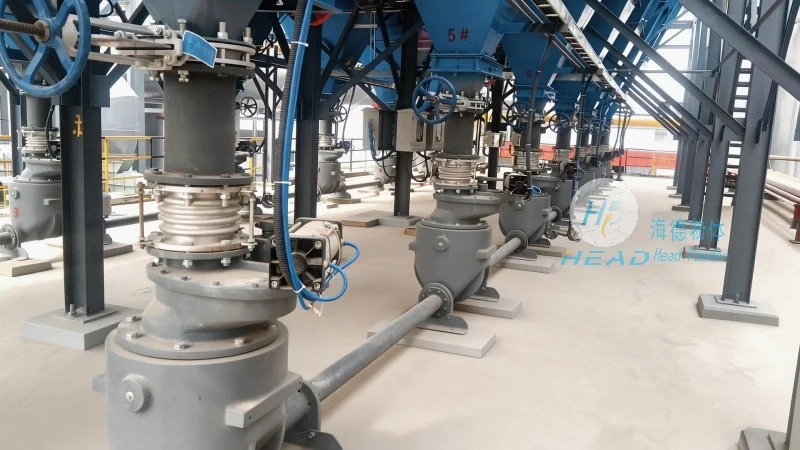
Dry lime powder conveying equipment is a specialized system engineered to transport dry lime powder from one location to another within industrial settings. This equipment is essential in various industries, including construction, environmental management, and chemical processing, where lime is used as a neutralizing agent or in the production of other materials. The primary goal of such equipment is to ensure the safe, efficient, and reliable movement of dry lime powder, minimizing dust generation and preventing material loss during transit.
Understanding the Core Function of Dry Lime Powder Conveying Equipment
The core function of dry lime powder conveying equipment is to handle the bulk transport of dry lime powder, which is typically a fine, powdery substance. These systems are designed to address the unique challenges associated with dry powders, such as dust generation, material segregation, and the need for low-pressure, low-speed operation to prevent clogging or degradation of the powder. The equipment operates by using various mechanisms, including pneumatic conveying, mechanical screw conveyors, and bucket elevators, to move the powder through pipelines or ducts. Each method is selected based on the specific characteristics of the dry lime powder and the operational requirements of the application.
Key Design Principles Behind the Equipment
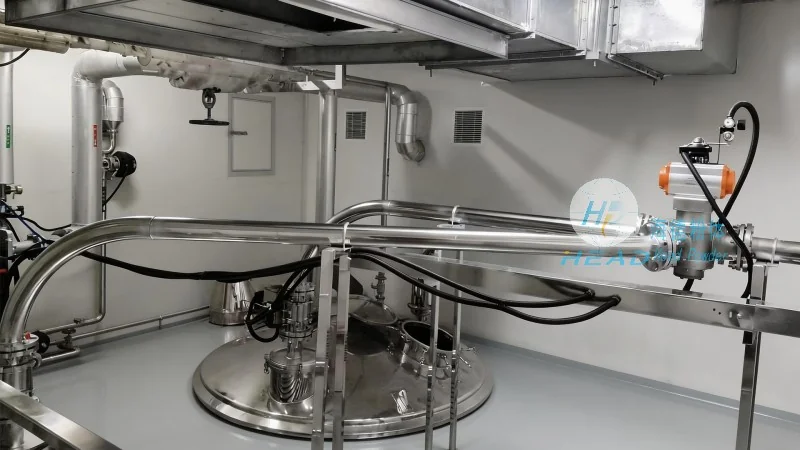
The design of dry lime powder conveying equipment is guided by several critical principles to ensure optimal performance and safety. One of the primary principles is the minimization of dust generation, which is achieved through the use of sealed systems, proper air filtration, and appropriate material handling techniques. Another key principle is the prevention of material degradation, which can occur due to friction, temperature changes, or exposure to moisture. To address this, the equipment is constructed from materials that are resistant to corrosion and wear, such as stainless steel or specialized polymers. Additionally, the design emphasizes energy efficiency and low maintenance requirements, ensuring that the system operates reliably over extended periods with minimal downtime.
Material Handling Considerations in Dry Lime Powder Conveying
When designing dry lime powder conveying equipment, several factors must be considered to ensure the system meets the specific needs of the application. These factors include the particle size and density of the dry lime powder, the required conveying distance and speed, and the environmental conditions where the equipment will be used. For example, in applications where the powder is highly abrasive or corrosive, the equipment components are selected to withstand these conditions. The system also incorporates features such as pulse jets or rotary valves to control the flow of powder and prevent blockages. Furthermore, the design may include temperature control mechanisms to maintain the powder's properties and prevent thermal degradation.
Applications and Industries Utilizing Dry Lime Powder Conveying Equipment
Dry lime powder conveying equipment is widely used across various industries due to its versatility and effectiveness. In the construction industry, it is used to transport lime for mortar and concrete production, ensuring consistent quality and reducing the risk of material contamination. In environmental management, the equipment is crucial for handling lime used in wastewater treatment and flue gas desulfurization processes, where precise control of the powder's application is essential. The chemical processing industry also relies on these systems for the production of lime-based products, such as calcium carbonate and other derivatives. Each application requires tailored equipment designs to meet the specific operational demands and ensure compliance with industry standards.
Advantages of Using Dry Lime Powder Conveying Equipment
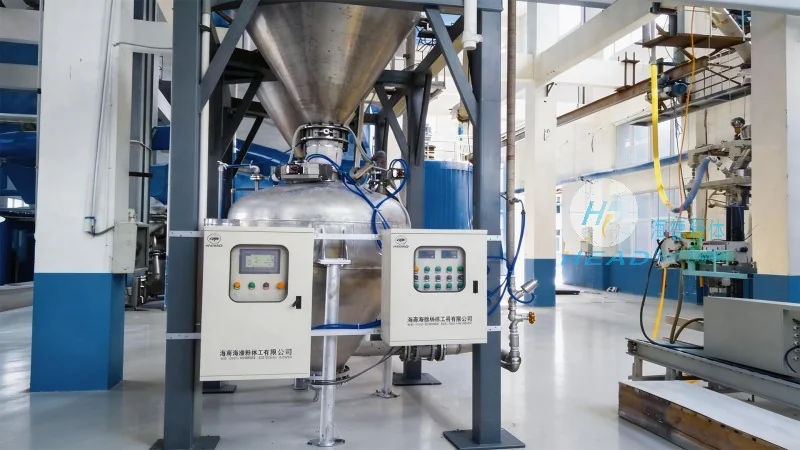
Implementing dry lime powder conveying equipment offers several advantages over traditional manual or bucket-based methods. The primary benefit is the significant reduction in labor costs and operational time, as the equipment can handle large volumes of powder with minimal human intervention. Additionally, the sealed systems reduce dust exposure, improving workplace safety and compliance with environmental regulations. The equipment also enhances product quality by maintaining the powder's consistency and preventing contamination, which is critical in applications where the lime's purity is essential. Furthermore, the energy-efficient design of modern conveying systems reduces operational costs and contributes to sustainability goals by minimizing waste and energy consumption.
Conclusion
In conclusion, dry lime powder conveying equipment is a vital component in industrial operations that require the efficient and safe transport of dry lime powder. The design principles behind these systems focus on minimizing dust, preventing material degradation, and ensuring energy efficiency. By understanding the core functions and design considerations of such equipment, industries can select the most appropriate solution to meet their specific needs. As a leading provider in the field, Shandong HeadPowder Engineering Co., Ltd. continues to innovate and provide high-quality equipment that meets the evolving demands of the industry.