

What is a Rice Husk Pneumatic Conveying System? And What Are Its Design Principles?
Rice husk, a byproduct of rice processing, is widely utilized across industries including power generation, fertilizer production, and animal feed. Efficient and reliable transportation of rice husk is paramount for the seamless operation of these sectors. Pneumatic conveying systems have emerged as a preferred solution for handling rice husk due to their ability to transport bulk materials over extended distances with minimal maintenance and environmental impact. This article explores the concept of a rice husk pneumatic conveying system and delves into its underlying design principles, highlighting key components and operational mechanisms that make it an effective solution for rice husk handling.
Understanding the Basics of Rice Husk Pneumatic Conveying
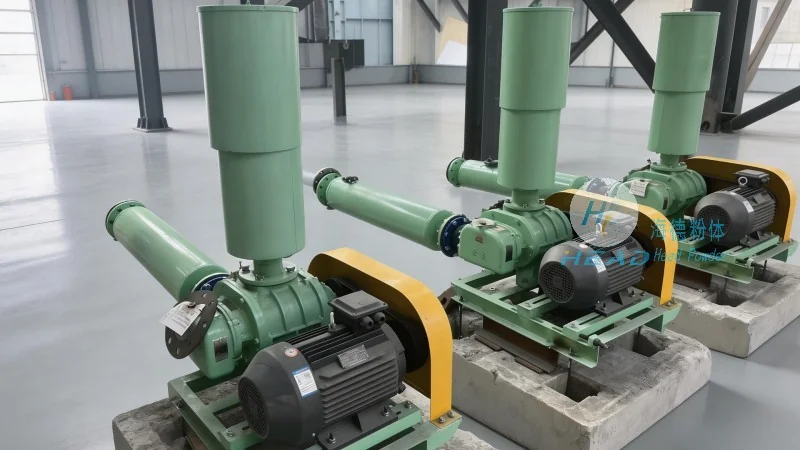
A pneumatic conveying system for rice husk is a mechanical system that employs compressed air to transport rice husk particles from a source to a destination. Unlike traditional methods such as belt conveyors or bucket elevators, pneumatic conveying systems offer advantages like handling fine and dusty materials, reducing dust emissions, and operating in a closed system to minimize environmental contamination. The system typically comprises a hopper for material storage, a feeder to control flow rate, a conveying line (usually metal or plastic pipes), a blower or fan to generate air flow, and a separator to separate material from air at the end of the line.
Key Components of a Rice Husk Pneumatic Conveying System
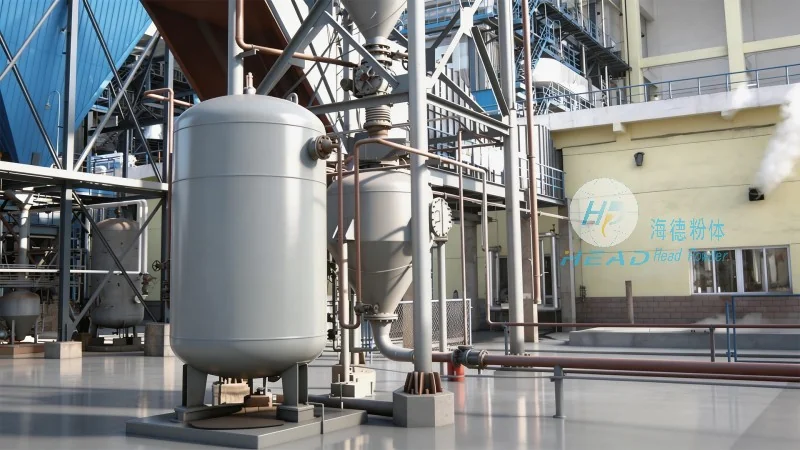
The effectiveness of a rice husk pneumatic conveying system hinges on the proper integration and operation of its key components. Each component plays a critical role in ensuring efficient and safe operation. The hopper is the initial component where rice husk is stored before being fed into the system. It is designed to hold sufficient material to maintain a steady flow to the feeder. The feeder, often a rotary valve or screw feeder, regulates the amount of rice husk entering the conveying line, preventing overloading and ensuring consistent material flow. The conveying line serves as the main pathway for transporting rice husk, and its design—including pipe diameter, length, and bends—significantly impacts system performance. The blower or fan provides the necessary air pressure and volume to move rice husk particles through the line. It is typically a high-pressure fan that can generate airflow at pressures ranging from a few hundred to several thousand Pascals, depending on system requirements. The separator, located at the end of the conveying line, separates rice husk from the air stream. This is usually achieved through a cyclone separator or bag filter, which captures rice husk particles and returns them to storage or the system, while allowing air to be discharged or recirculated.
Design Principles for Optimal Performance
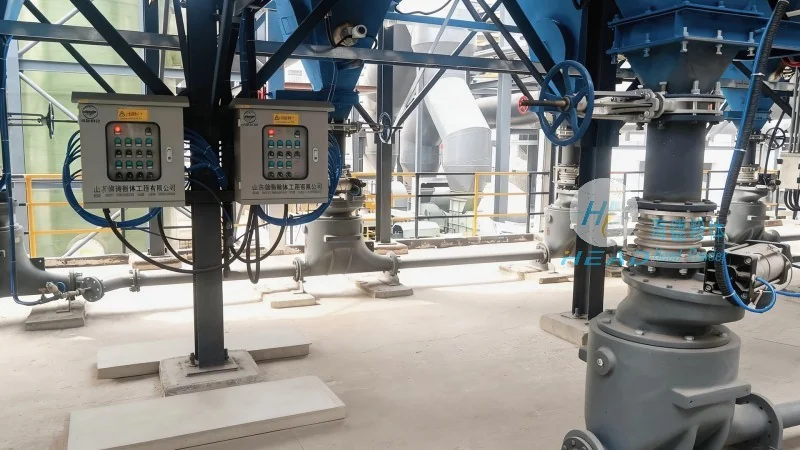
The design of a rice husk pneumatic conveying system involves several principles aimed at maximizing efficiency, minimizing energy consumption, and ensuring long-term reliability. One primary principle is selecting appropriate air velocity. The air velocity must be high enough to lift and transport rice husk particles but not excessively high to cause component wear or increase energy use. The optimal air velocity depends on particle size, density, shape, system length, and layout. Another crucial principle is proper conveying line sizing. Pipe diameter is determined by material flow rate and air velocity. A larger diameter reduces air velocity, lowering energy use but increasing footprint; a smaller diameter increases air velocity, requiring more energy but reducing size. The design also considers bend number and angle, as excessive bends can cause material accumulation and blockages. Component placement is critical too—hopper, feeder, and separator should minimize vertical/horizontal distances to shorten line length and reduce energy costs. Additionally, closed-loop air recirculation is key for rice husk, a dusty material that can cause respiratory issues if not properly handled, minimizing emissions and operational air intake.
HeadPowder's Expertise in Rice Husk Pneumatic Conveying Systems
Shandong HeadPowder Engineering Co., Ltd., a leading pneumatic conveying system manufacturer, specializes in customized rice husk handling solutions. With years of industry experience, HeadPowder has developed a deep understanding of rice husk's unique challenges—fine particle size, high dust content, and variable moisture levels. Engineers collaborate closely with clients to assess specific needs: material volume, source-to-destination distance, and desired efficiency. Based on this, HeadPowder designs a system adhering to fundamental principles. The company uses high-quality materials and components: conveying lines made of corrosion-resistant stainless steel or HDPE to withstand acidic/abrasive rice husk; blowers optimized for required pressure/airflow to reduce energy costs; and separators with advanced filtration to capture fine particles, minimizing environmental impact. HeadPowder also provides comprehensive after-sales support—installation, maintenance, troubleshooting—to ensure peak performance throughout the system's lifespan.
Conclusion: The Importance of a Well-Designed Pneumatic Conveying System for Rice Husk
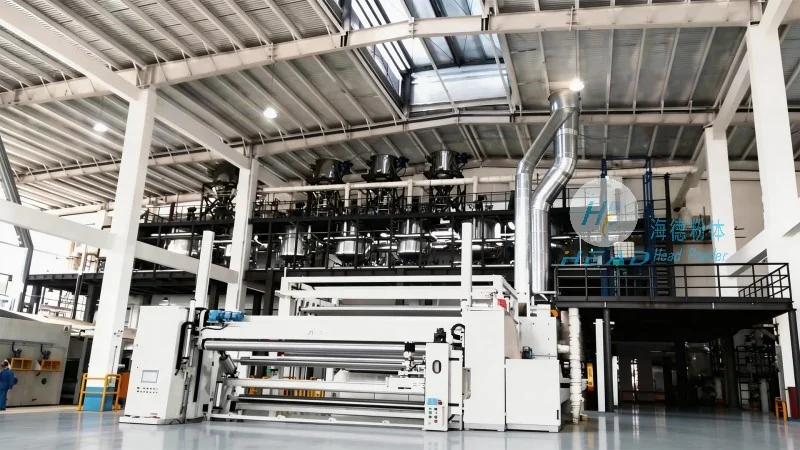
In conclusion, a rice husk pneumatic conveying system is an essential component in rice processing, offering efficient and environmentally friendly transportation of this valuable byproduct. System design requires careful consideration of material properties, layout, and operational needs. By adhering to fundamental principles and leveraging manufacturers like Shandong HeadPowder Engineering Co., Ltd., industries achieve reliable, cost-effective rice husk handling solutions. As rice husk demand grows across applications, well-designed pneumatic conveying systems become critical investments for any rice processing facility, ensuring sustainable and efficient operations.