

Lithium Carbonate Pneumatic Conveying System: What It Is and Its Design Principles
In industrial production, lithium carbonate is a key raw material widely used in the manufacturing of lithium-ion batteries. To handle and transport lithium carbonate efficiently and safely, pneumatic conveying systems have become indispensable equipment in modern industry. This article delves into the concept, working principles, and design principles of a lithium carbonate pneumatic conveying system, helping readers gain a comprehensive understanding of this technology.
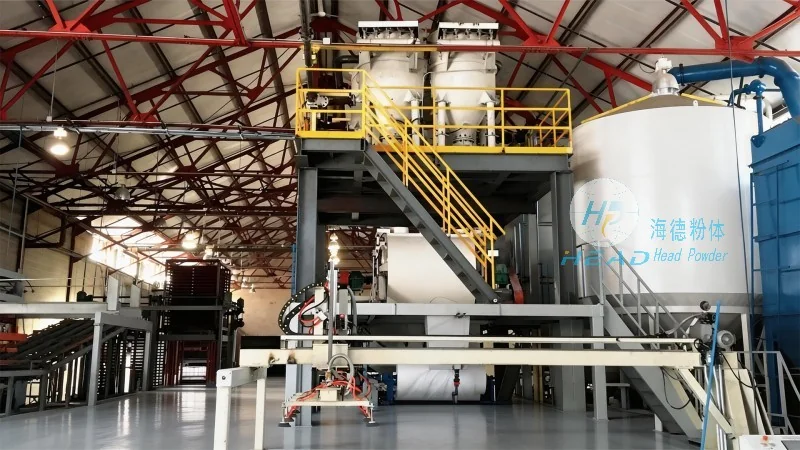
Lithium Carbonate Pneumatic Conveying System: An Overview
Lithium carbonate pneumatic conveying systems utilize compressed air or gas as a driving force to transport lithium carbonate particles from the feeding point to the designated receiving point. These systems are widely applied in industries such as battery materials production, chemical processing, and metallurgy. Compared with traditional mechanical conveying methods, pneumatic conveying systems offer advantages like high transport efficiency, long transport distances, and operational flexibility, especially suitable for transporting fragile, flammable, or corrosive materials. HeadPowder, i.e., Shandong HeadPowder Engineering Co., Ltd., as a professional powder engineering solutions provider, is committed to offering efficient and reliable pneumatic conveying systems for lithium carbonate transport.
Key Components of the System
Lithium carbonate pneumatic conveying systems typically consist of several key components, each playing a crucial role. First, the feeding device is responsible for uniformly delivering lithium carbonate from a hopper or storage tank into the conveying pipeline. Common feeding methods include star unloaders, screw conveyors, or vibratory feeders, ensuring stable and continuous material input into the system. Second, the conveying pipeline is the core part of the system, usually made of corrosion-resistant metal or plastic to adapt to the chemical properties of lithium carbonate. The inner walls are smooth to reduce friction between the material and the pipeline, improving transport efficiency. Third, the air source system provides compressed air or gas for the system, typically including air compressors, filters, dryers, and pressure regulators. These devices ensure the gas is clean, dry, and pressure-stable, guaranteeing smooth transport. Additionally, the system is equipped with a separation device to separate the transported air from the lithium carbonate particles, usually using cyclone separators or bag filters. Finally, the receiving device collects the transported lithium carbonate at the destination, typically a hopper or tank.
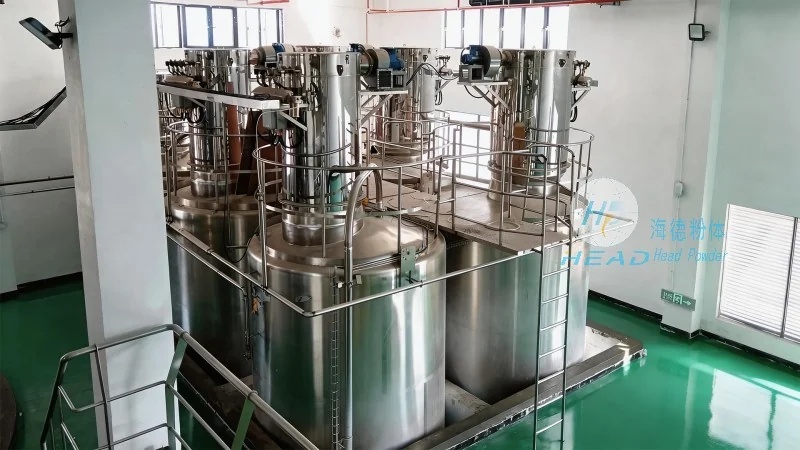
Design Principles of the System
The design of a lithium carbonate pneumatic conveying system needs to consider factors such as material properties, transport distance, transport capacity, and system efficiency. First, material property analysis is the foundation of design. Lithium carbonate particles are generally fine, dry, and flowable but may contain some moisture or impurities. Therefore, the design must consider the material's density, particle size distribution, flowability, and possible wear resistance. For example, for fine lithium carbonate particles, a smaller pipeline diameter or higher transport speed may be used to avoid blockage. Second, transport distance and capacity are key parameters. Depending on actual production needs, the system may need to transport short or long distances, with capacities ranging from tens of kilograms to hundreds of tons per hour. The design involves selecting appropriate air source pressure, pipeline diameter, and transport speed to meet the transport distance and capacity requirements. Additionally, the system must consider pressure loss to ensure sufficient pressure during transport and avoid material deposition or blockage in the pipeline. Third, system efficiency and energy consumption are important design goals. By optimizing pipeline design, reducing the number of bends, and using efficient separation devices, the system's energy consumption can be reduced while improving transport efficiency. At the same time, the system needs to consider operational safety, such as preventing dust explosions or overheating, and must comply with relevant safety standards and regulations.
Application Scenarios in Lithium Battery Manufacturing
Lithium carbonate pneumatic conveying systems play an important role in the manufacturing of lithium-ion batteries. From the pretreatment of lithium carbonate to the preparation of battery positive electrode materials, pneumatic conveying systems are used to transport lithium carbonate from the storage warehouse to the reactor or mixing equipment. For example, in the production of positive electrode materials, lithium carbonate needs to be mixed with lithium sources, binders, etc. The pneumatic conveying system can efficiently transport lithium carbonate to the mixer, ensuring uniform mixing. Additionally, in various processes of the battery production line, pneumatic conveying systems are also used to transport other raw materials such as carbon black and conductive agents. HeadPowder's system design considers special requirements in battery production, such as high purity and low impurity content, as well as integration with existing production lines, ensuring that the transport of lithium carbonate does not introduce new impurities or cause pollution.
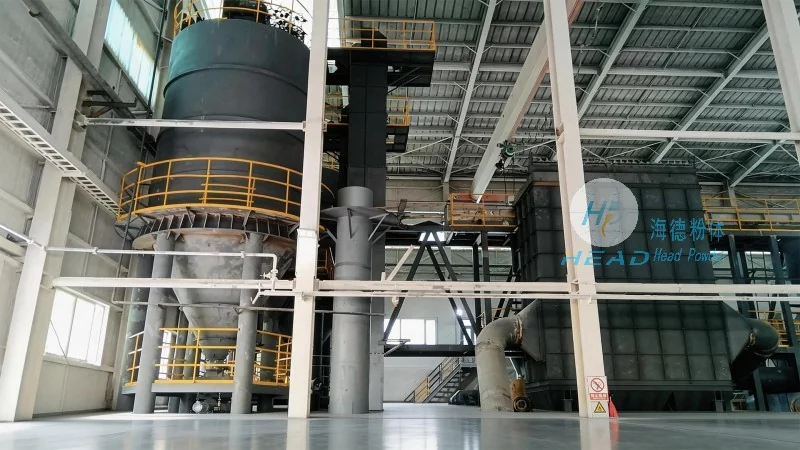
Advantages of the Pneumatic Conveying System
Compared with traditional mechanical conveying methods, lithium carbonate pneumatic conveying systems have many advantages. First, high transport efficiency. Pneumatic conveying systems can achieve continuous and stable material transport with transport speeds of several meters per second, greatly shortening the material's residence time in the production line. Second, long transport distance. By reasonably designing the pipeline and air source system, pneumatic conveying systems can transport hundreds of meters or even longer distances, suitable for large-scale factories or cross-regional production layouts. Third, operational flexibility. The system can adjust transport volume, speed, or direction according to production needs to adapt to different production rhythms. Fourth, safety and reliability. The system avoids direct contact between materials and mechanical components, reducing the risk of material breakage or dust dispersion. At the same time, the separation device can effectively collect dust to prevent environmental pollution. Additionally, system maintenance is relatively simple, with key components like pipelines and valves easy to inspect and replace, reducing maintenance costs.
Conclusion
Lithium carbonate pneumatic conveying systems are important equipment for handling lithium carbonate and other powder materials in modern industry, and their design principles and system composition directly affect transport efficiency and safety. HeadPowder, as a professional powder engineering company, with its rich experience and advanced technology, provides customized solutions for lithium carbonate pneumatic conveying systems. By reasonably designing the feeding, conveying, and separation key components, HeadPowder's systems can meet the needs of different production scenarios, ensuring the efficient and safe transport of lithium carbonate. With the rapid development of the lithium-ion battery industry, lithium carbonate pneumatic conveying systems will play an increasingly important role in industrial production in the future, providing reliable material transport assurance for battery manufacturing.