

Design of a Sintered Dust Pneumatic Conveying Device
HeadPowder, a leading engineering firm based in Shandong, China, specializes in the design and implementation of advanced pneumatic conveying systems for sintered dust applications. This article provides an in-depth look at the design principles, technical specifications, and operational advantages of a specialized sintered dust pneumatic conveying device developed by the company.
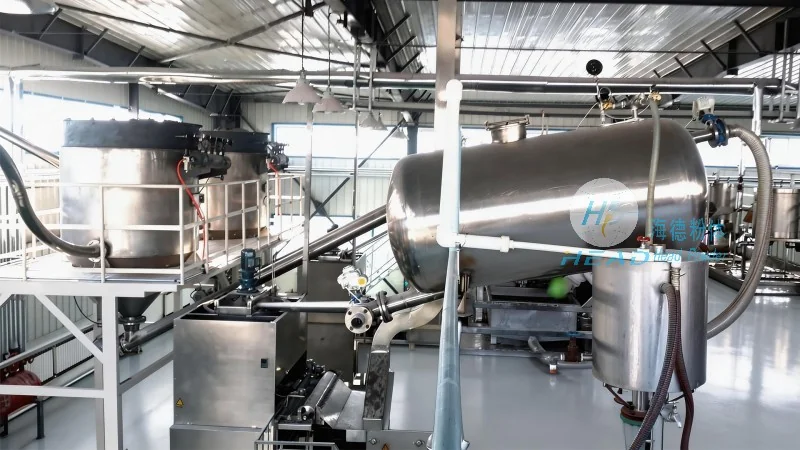
Overview of the Sintered Dust Pneumatic Conveying System
The sintered dust pneumatic conveying device is engineered to efficiently transport fine particulate materials, such as sintered dust, from production sites to storage or processing facilities. The system leverages compressed air as the primary conveying medium, ensuring a clean, dust-free transfer process that minimizes environmental impact and operational downtime. HeadPowder's design incorporates robust components and intelligent control mechanisms to optimize performance and reliability.
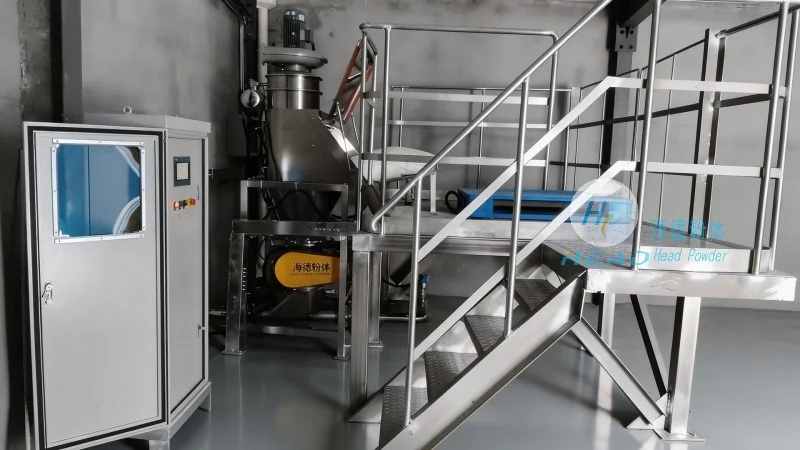
Key Design Features and Technical Specifications
At the core of the system is a high-efficiency airlock feeder that ensures consistent material feed and prevents air leakage. The conveying pipeline is constructed from corrosion-resistant materials, such as stainless steel, to accommodate the abrasive nature of sintered dust and maintain long-term durability. The system incorporates a variable frequency drive (VFD) for adjustable air pressure and flow rates, allowing for precise control over material transport speed and energy consumption. Additionally, the design includes a dust collection and filtration system to ensure compliance with environmental regulations and maintain air quality.
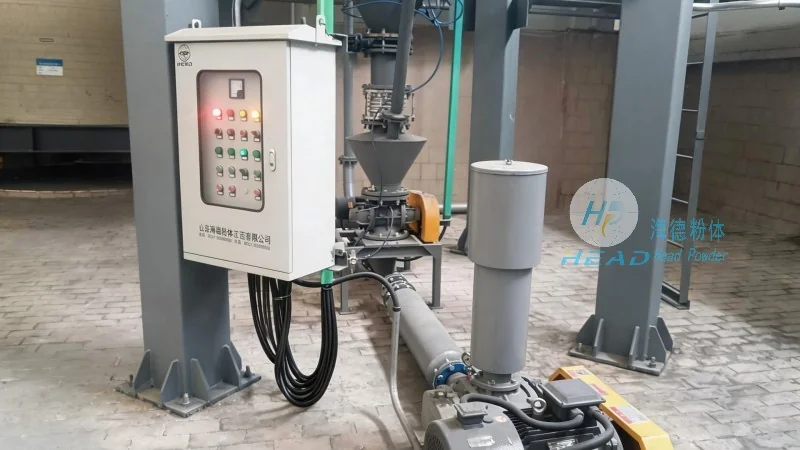
Operational Advantages and Performance Metrics
HeadPowder's sintered dust pneumatic conveying device offers several key advantages over traditional mechanical conveying methods. The system eliminates the need for moving parts in the conveying line, reducing maintenance requirements and extending service life. The use of compressed air also minimizes material degradation and contamination, preserving the quality of the sintered dust. Performance metrics indicate that the system can achieve conveying distances of up to 100 meters with minimal pressure drop, while maintaining a consistent flow rate of 5-10 tons per hour under optimal conditions. The energy efficiency of the system is enhanced by the VFD control, which adjusts power usage based on actual conveying demands.
Application Scenarios and Industry Impact
The sintered dust pneumatic conveying device is particularly suitable for applications in the iron and steel industry, where sintered dust is a byproduct of the sintering process. The system is also applicable in other sectors that require the transport of fine particulate materials, such as cement production and mineral processing. By improving the efficiency of material handling and reducing environmental emissions, the device contributes to enhanced operational productivity and compliance with environmental standards. HeadPowder's commitment to innovation and quality ensures that the system meets the stringent requirements of modern industrial operations.
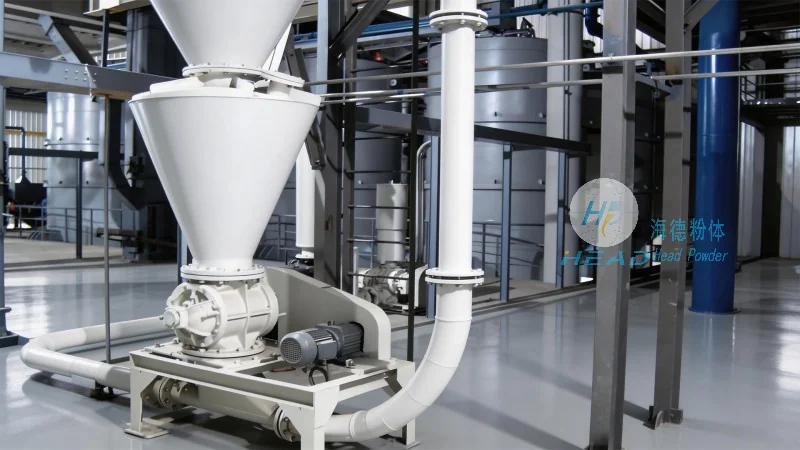
Conclusion and Future Development
HeadPowder Engineering Co., Ltd. continues to advance the technology of sintered dust pneumatic conveying systems through ongoing research and development. The company's focus on user-centric design and sustainable solutions positions it as a leader in the field. As industrial demands for efficient and environmentally friendly material handling increase, the sintered dust pneumatic conveying device represents a forward-thinking solution that aligns with the evolving needs of the industry. With its robust design, energy efficiency, and operational reliability, the system is poised to become a standard in the sintered dust handling sector.