

[Detailed Explanation of Plastic Pneumatic Conveying Systems]
Plastic pneumatic conveying systems are essential equipment in modern industrial processing, particularly for the efficient handling and transportation of plastic materials. These systems utilize air or other gases to move plastic powders, granules, or pellets from one location to another, offering a flexible and often more cost-effective alternative to traditional mechanical conveyors. Understanding the components, working principles, and applications of such systems is crucial for optimizing material flow in various manufacturing and processing operations. Shandong HeadPowder Engineering Co., Ltd., a leading manufacturer based in Shandong, China, specializes in the design, development, and supply of high-quality plastic pneumatic conveying systems that meet the diverse requirements of the plastic industry.
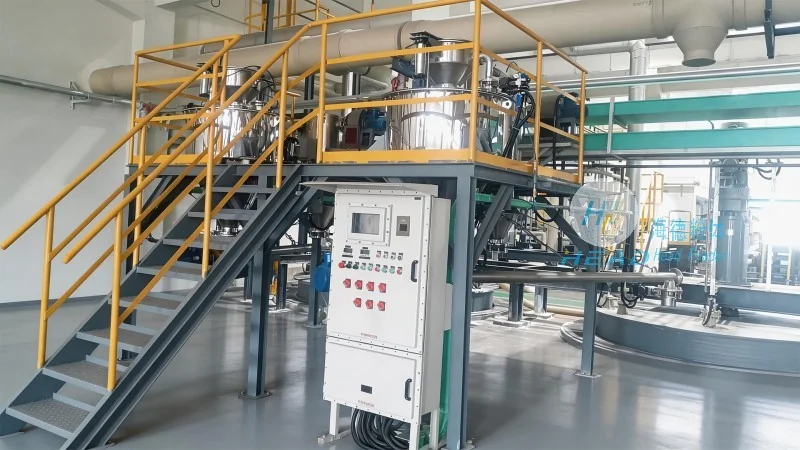
Key Components of Plastic Pneumatic Conveying Systems
At the core of any plastic pneumatic conveying system are several key components that work in tandem to ensure efficient material transport. The primary components include the material feed hopper, which holds the plastic material and feeds it into the system; the air or gas source, typically a blower or compressor, which provides the necessary pressure and flow rate; the conveying line, which can be either a rigid pipe or a flexible hose, depending on the system design; and the discharge device, which delivers the material to its final destination. Additionally, many systems incorporate a filter and cyclone separator to capture and return any fines or dust, maintaining air quality and preventing material loss. The choice of components depends on the specific characteristics of the plastic material being handled, such as particle size, density, and moisture content, as well as the distance and layout of the conveying route.
Working Principle of Plastic Pneumatic Conveying
The operation of a plastic pneumatic conveying system is based on the principle of creating a pressure differential between the inlet and outlet of the conveying line. The air source generates a high-pressure air stream, which is introduced into the conveying line at the feed point. As the plastic material is introduced into the air stream, it becomes entrained and carried along the line by the moving air. The air velocity within the line must be sufficient to overcome the gravitational and frictional forces acting on the plastic particles, ensuring stable and continuous transport. The system can operate in either positive pressure or negative pressure modes. In positive pressure systems, air is forced into the conveying line, pushing the material forward. In negative pressure systems, air is drawn out of the line, creating a vacuum that pulls the material in. The selection of the operating mode depends on factors like the distance to be covered and the type of material being conveyed.
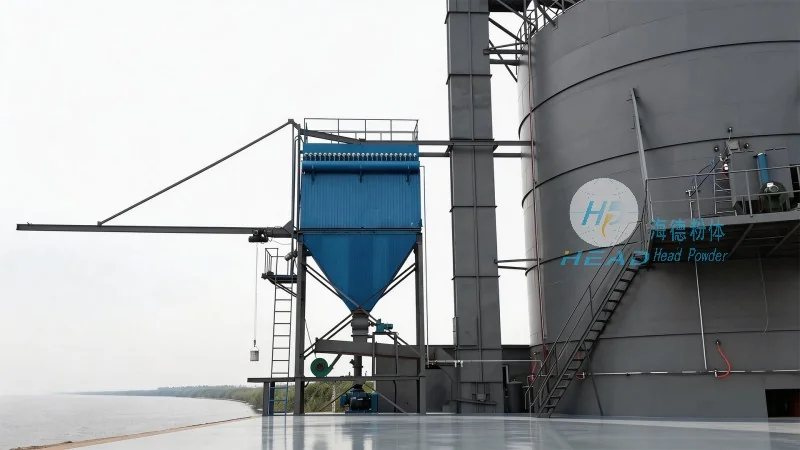
Applications in Plastic Processing Industries
Plastic pneumatic conveying systems find widespread application across various industries that process plastic materials. In the polymer manufacturing sector, these systems are used to transport raw plastic pellets from storage silos to extrusion lines or to move finished products from processing units to packaging areas. In the plastic recycling industry, they are essential for conveying recycled plastic flakes or pellets from sorting and washing stations to compounding or pelletizing equipment. Additionally, in the packaging and molding industries, pneumatic conveying systems help move plastic powders or granules to mixing and blending equipment, ensuring consistent material composition. The versatility of these systems makes them suitable for handling a wide range of plastic types, including polyethylene, polypropylene, polystyrene, and various engineering plastics, each with distinct physical properties that may require specific system configurations.
Advantages of Plastic Pneumatic Conveying Systems
Compared to traditional mechanical conveyors, plastic pneumatic conveying systems offer several advantages that make them attractive for many industrial applications. One of the primary benefits is the ability to handle materials with high moisture content or fine powders without clogging or degradation. The enclosed system prevents dust and contamination, maintaining product quality and reducing environmental hazards. Additionally, pneumatic systems are more flexible in terms of layout, as they can easily navigate around obstacles and changes in the production floor. They also provide better control over material flow rates and can be integrated with automation systems for precise and consistent operation. Another advantage is the lower maintenance requirements compared to mechanical conveyors, as there are fewer moving parts and less wear from friction. Overall, these systems contribute to improved operational efficiency, reduced downtime, and enhanced safety in plastic processing facilities.
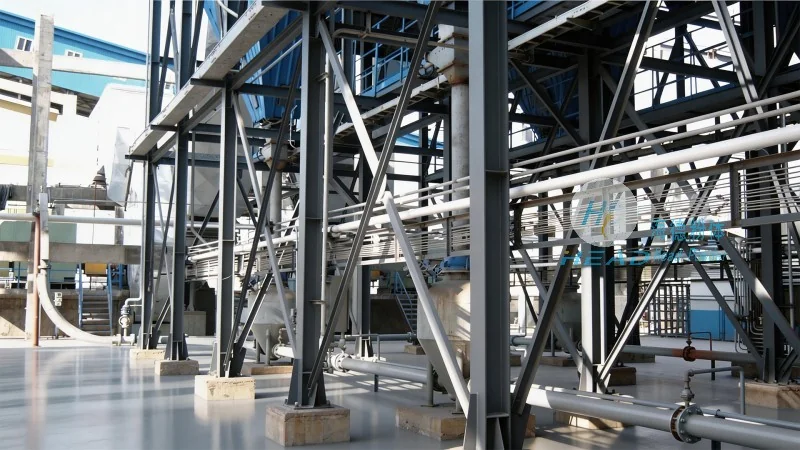
Considerations for System Design and Installation
Designing and installing a plastic pneumatic conveying system requires careful consideration of several factors to ensure optimal performance and longevity. The first step is to assess the material characteristics, including particle size distribution, bulk density, and flowability, as these directly impact the system's design parameters. The conveying distance and layout of the facility must also be evaluated to determine the appropriate air velocity and pressure requirements. The choice of conveying line material, such as stainless steel or plastic-coated steel, depends on the material being handled and the need for corrosion resistance. Additionally, the system should be equipped with proper filtration and dust collection to comply with environmental regulations and maintain air quality. Proper installation and maintenance, including regular cleaning of filters and checking for air leaks, are critical to preventing system inefficiencies and extending the life of the equipment. By addressing these considerations, manufacturers can ensure that their plastic pneumatic conveying systems operate efficiently and reliably, meeting the demands of modern plastic processing operations.
Conclusion
Plastic pneumatic conveying systems represent a sophisticated and efficient solution for the transportation of plastic materials in various industrial applications. By leveraging the principles of air movement and material entrainment, these systems offer advantages in flexibility, cleanliness, and control over traditional mechanical conveyors. With proper design, installation, and maintenance, they can significantly enhance the productivity and safety of plastic processing facilities. As the demand for efficient material handling in the plastic industry continues to grow, the importance of well-designed pneumatic conveying systems will only increase, making them a vital component of modern manufacturing operations.