

Design Considerations for Bioenzyme Pneumatic Conveying Systems
For industrial applications involving bioenzyme handling, the design of a pneumatic conveying system is critical to ensure efficiency, safety, and product integrity. This article outlines key considerations for the design of such systems, with a focus on the specific requirements of bioenzyme materials. The information is provided by Shandong HeadPowder Engineering Co., Ltd., a leading manufacturer based in China, specializing in custom engineering solutions for powder and liquid handling systems.
System Selection and Material Compatibility
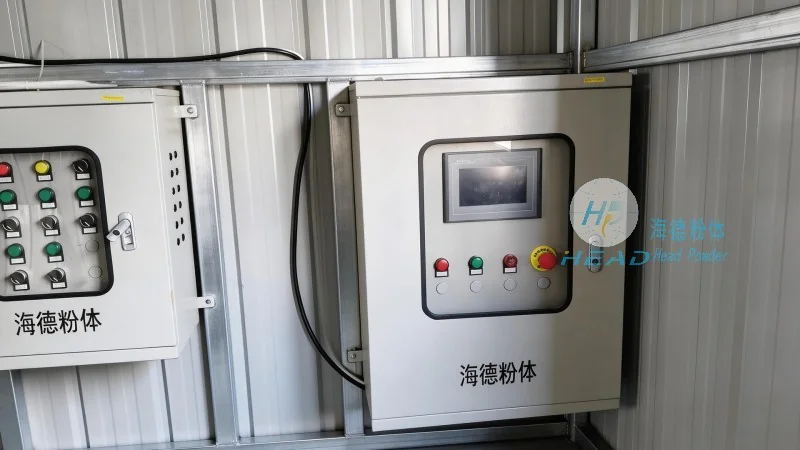
Choosing the right pneumatic conveying system type is the first step in designing an effective bioenzyme transport solution. Bioenzymes are often sensitive to temperature, moisture, and physical stress, making the selection of system components crucial. The two primary types of pneumatic conveying systems are pressure and vacuum systems. Pressure systems use compressed air to push material through a pipeline, while vacuum systems use a vacuum to pull material. For bioenzyme applications, pressure systems are generally preferred as they offer better control over material flow and can minimize exposure to air, which may degrade the enzyme activity. Additionally, the materials used for the system components must be compatible with the bioenzyme. Stainless steel is commonly used for the conveying pipeline and equipment due to its corrosion resistance and ability to maintain product purity. Special coatings or liners may also be applied to prevent contamination and ensure the bioenzyme remains stable during transport.
Pressure and Flow Rate Management
Proper management of pressure and flow rate is essential to prevent product degradation and equipment damage. The pressure within the system must be carefully controlled to avoid excessive shear forces that can denature the bioenzyme. Typically, lower pressure levels are recommended for bioenzyme transport, often ranging from 0.5 to 2 bar, depending on the material's properties and the system's design. The flow rate should be optimized to maintain a consistent velocity of the material in the pipeline, which helps to prevent clogging and ensures uniform mixing. Variable frequency drives (VFDs) are often used to adjust the air flow and pressure dynamically, allowing for precise control over the conveying process. This not only improves the efficiency of the system but also reduces energy consumption and extends the lifespan of the equipment.
Equipment Design and Maintenance
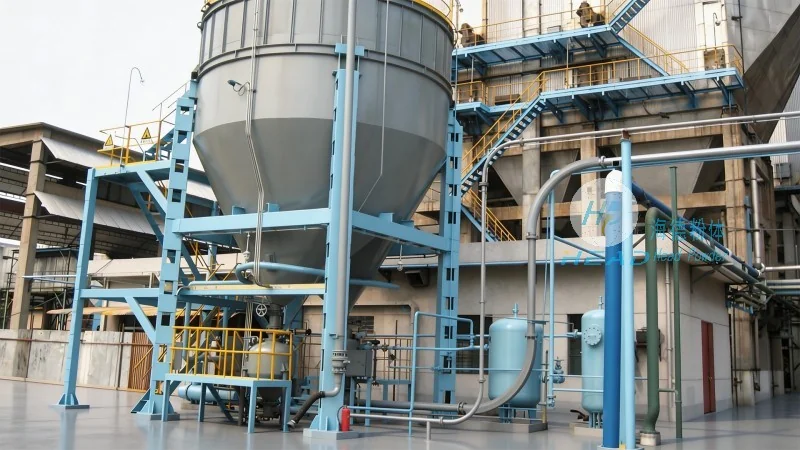
The design of individual components, such as the feeder, cyclone separator, and filter, plays a significant role in the overall performance of the bioenzyme pneumatic conveying system. The feeder must be capable of handling the bioenzyme without causing blockages or excessive wear. Screw feeders or rotary valves are commonly used for this purpose, as they can provide a consistent flow rate and minimize material degradation. The cyclone separator is responsible for separating the bioenzyme from the air stream, and its design must be optimized to prevent product loss and ensure efficient separation. The filter at the end of the system is critical for maintaining air quality and preventing contamination of the bioenzyme. Regular maintenance of these components is essential to ensure the system operates at peak efficiency. This includes cleaning the cyclone and filter regularly, checking for wear and tear on the feeder, and replacing any worn parts promptly. Proper maintenance not only extends the life of the equipment but also ensures consistent product quality.
Environmental and Safety Considerations
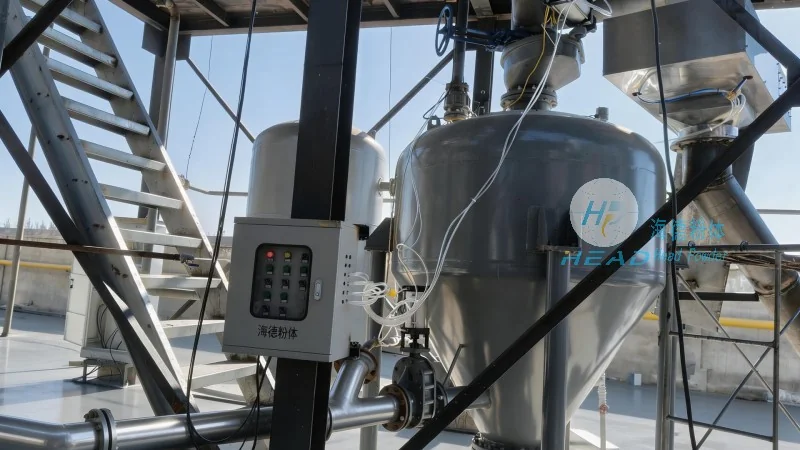
When designing a bioenzyme pneumatic conveying system, environmental and safety considerations must be taken into account. Bioenzymes are often sensitive to environmental factors such as temperature and humidity, which can affect their activity and stability. The system should be designed to minimize exposure to these factors, such as by using insulated pipelines and controlling the temperature of the air used for conveying. Additionally, safety measures must be implemented to protect operators from potential hazards, such as the release of bioactive materials or the risk of explosion due to pressure buildup. This includes installing pressure relief valves, explosion-proof equipment, and proper ventilation systems. The system should also be designed to comply with relevant environmental regulations, such as those related to air emissions and waste disposal. By addressing these considerations, the system can operate safely and environmentally responsibly.
Integration with Process Systems
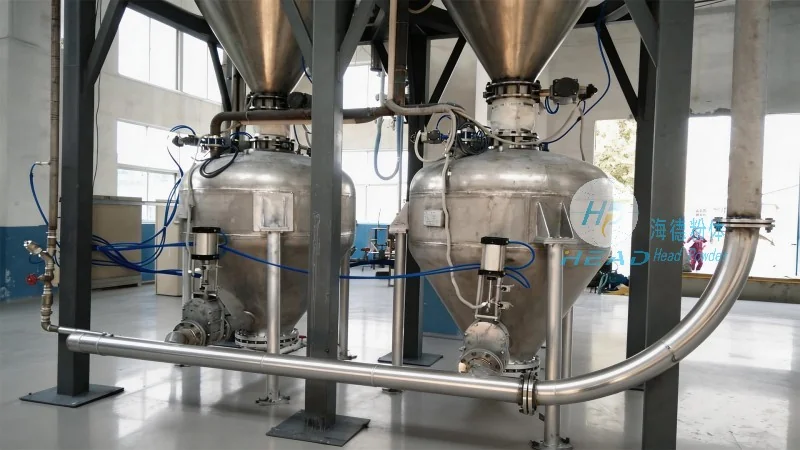
The bioenzyme pneumatic conveying system should be integrated seamlessly with the overall process system to ensure smooth operation and efficient material handling. This includes connecting the system to the production line, storage tanks, and other processing equipment. The integration should be designed to minimize downtime and ensure that the bioenzyme is delivered to the next stage of the process in a timely and consistent manner. The system should also be compatible with existing equipment and infrastructure, reducing the need for major modifications or additions. By integrating the system effectively, the overall efficiency of the production process can be improved, and the cost of operation can be reduced.
Conclusion
Designing a bioenzyme pneumatic conveying system requires careful consideration of various factors, including material compatibility, pressure management, equipment design, and safety. By addressing these considerations, manufacturers can develop a system that is efficient, reliable, and capable of maintaining the quality and activity of the bioenzyme. Shandong HeadPowder Engineering Co., Ltd. specializes in providing custom engineering solutions for such systems, with a focus on meeting the specific needs of their clients. Whether for small-scale or large-scale applications, their expertise in pneumatic conveying technology ensures that the bioenzyme is handled safely and effectively throughout the transport process.