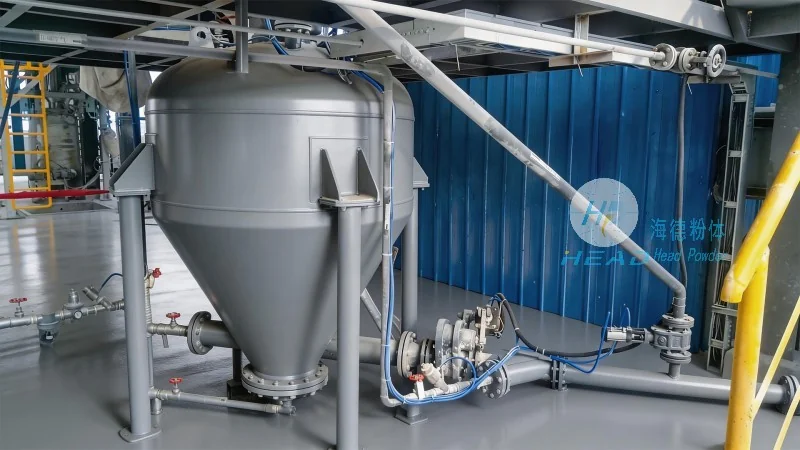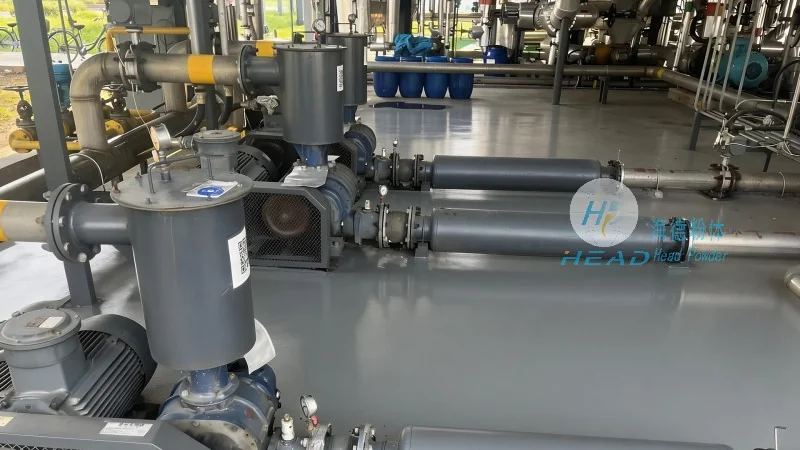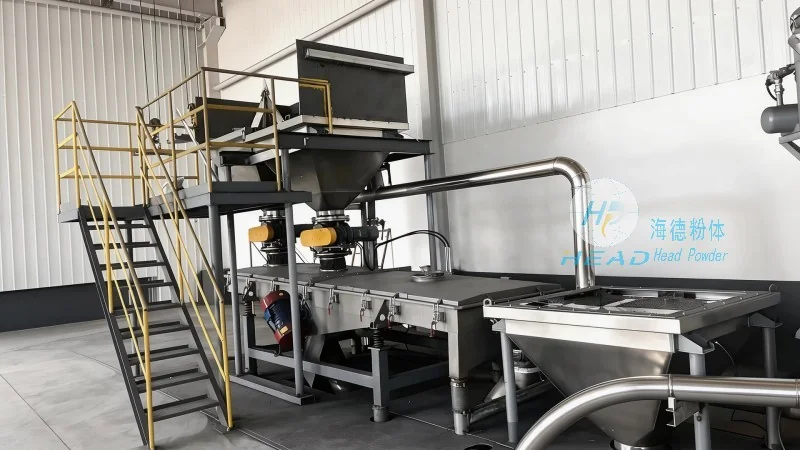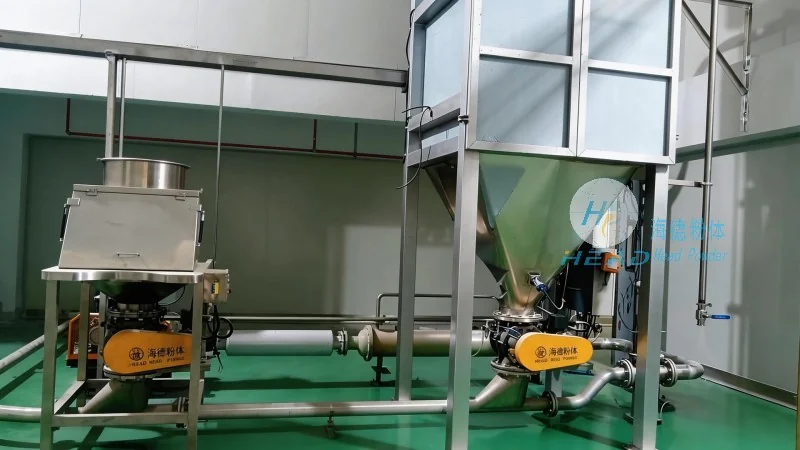

In the evolving landscape of bulk material handling, glazed hollow beads have emerged as a unique and increasingly popular material across industries such as construction, thermal insulation, lightweight fillers, and specialty coatings. These beads, characterized by their hollow structure and glazed surface, offer excellent flowability, low density, and high thermal resistance. However, their fragile nature and fine particle size present distinct challenges in transportation and processing. Pneumatic conveying systems have become the preferred solution for moving glazed hollow beads efficiently, safely, and with minimal degradation. This article provides a detailed overview of the equipment involved in glazed hollow beads pneumatic conveying systems, covering core components, system design principles, industry trends, and practical considerations for plant operators and engineers. By exploring the technology behind these systems, we aim to help professionals make informed decisions that optimize productivity, reduce downtime, and maintain product integrity.

With the global demand for lightweight construction materials and energy-efficient insulation projected to grow steadily through 2026, the market for glazed hollow beads is expected to expand at a compound annual growth rate of approximately 6.8% according to recent industry analyses. This growth drives the need for robust, reliable conveying equipment that can handle the specific properties of these beads—such as their low bulk density (often between 150–400 kg/m³), high abrasiveness due to the glazed surface, and susceptibility to breakage under excessive impact forces. Pneumatic conveying systems, whether dilute phase or dense phase, offer a closed-loop, dust-free, and controllable method to transport glazed hollow beads from storage to processing or packaging points. Understanding the equipment components and their interplay is critical for achieving consistent performance, energy efficiency, and long service life.

A standard pneumatic conveying system for glazed hollow beads consists of several key components, each engineered to address the material’s unique characteristics. The primary sections include a pressure or vacuum source, feeding mechanism, conveying pipeline, separation unit, dust collection system, and control instrumentation. Below we examine each component in detail, with attention to how they are adapted for glazed hollow beads.

The feeding device is the entry point where glazed hollow beads enter the conveying line. For dilute phase systems, rotary airlocks are commonly used due to their ability to provide a continuous, metered feed while maintaining an air seal. However, standard rotary airlocks may cause particle damage if the rotor pocket design is not optimized for fragile materials. For glazed hollow beads, manufacturers often employ specially coated rotor blades with rounded edges and reduced tip speeds to minimize impact forces. Alternatively, venturi feeders or suction nozzles can be used in vacuum systems, offering a gentle pick-up action that reduces breakage. The feed rate must be carefully controlled to match the conveying velocity, preventing surging or plugging. Modern feeding devices for headpowder systems incorporate variable frequency drives (VFDs) that allow precise adjustment based on real-time feedback from pressure sensors, ensuring consistent material flow without overloading the conveying line.
The pipeline is the backbone of any pneumatic conveying system. For glazed hollow beads, pipeline material selection is critical due to the beads’ abrasive glazed surface. Standard carbon steel pipes may experience rapid wear at bends and transitions, leading to leaks and contamination. Therefore, many systems utilize wear-resistant materials such as ceramic-lined pipes, hardened steel, or even polymer-based composite pipes that reduce friction and extend service life. Pipe diameter is another key parameter; it must be sized to maintain the appropriate air-to-material ratio. Typically, conveying velocities for glazed hollow beads range from 10 to 25 m/s in dilute phase systems—fast enough to keep particles suspended but slow enough to avoid impact damage. Dense phase systems operate at lower velocities (1–8 m/s) using pressure gradients to push a plug of material, significantly reducing breakage. The layout of the pipeline should minimize the number of bends, especially sharp 90° elbows, which are stress points. Long-radius bends or swept elbows with replaceable wear backs are recommended to reduce degradation and pressure loss. Headpowder’s engineering team often conducts computational fluid dynamics (CFD) simulations during the design phase to optimize pipeline routing for each specific application, ensuring minimal particle breakage and energy consumption.
At the destination, the conveyed air-material mixture must be separated. Cyclone separators are the first stage of separation, using centrifugal force to drop glazed hollow beads into a collection hopper. Cyclones are efficient for larger particles but may allow fine dust to pass through. To capture these fines and meet environmental regulations, a secondary filtration system, typically a baghouse or cartridge filter, is employed. For glazed hollow beads, filter media must be selected to handle the fine, abrasive dust without clogging. Reverse-pulse jet cleaning mechanisms are standard, allowing continuous operation. The collection hopper often includes level sensors and fluidizing pads to prevent bridging, as the beads can compact under their own weight. Proper venting and pressure relief valves are also necessary to maintain system balance. A well-designed separation stage not only recovers product but also protects downstream equipment and ensures a clean working environment.
The motive force for conveying comes from either a centrifugal blower (for low-pressure dilute phase systems) or a positive displacement blower/compressor (for higher-pressure dense phase systems). For glazed hollow beads, energy efficiency is a major consideration, and many installations now use variable speed drives to match air volume to actual conveying demand, reducing power consumption by up to 30% compared to fixed-speed units. The control system includes pressure transmitters, flow meters, and programmable logic controllers (PLCs) that monitor parameters such as line pressure, feed rate, and exhaust air quality. Advanced systems integrate with plant-wide SCADA networks for remote monitoring and predictive maintenance alerts. Valves such as diverter valves, pinch valves, and check valves are installed at strategic points to direct material flow and prevent backflow. All components must be rated for the abrasive nature of glazed hollow beads; for example, valve seats and seals should be made of wear-resistant materials like polyurethane or ceramic.
When selecting a pneumatic conveying system for glazed hollow beads, several technical parameters must be evaluated to ensure optimal performance. These include the material’s bulk density, particle size distribution, angle of repose, moisture content, and abrasion index. For instance, glazed hollow beads typically have a bulk density of 0.15–0.4 g/cm³ and a particle size range from 0.1 mm to 2 mm. Their low density means that dilute phase systems require higher air velocities to keep them airborne, but this increases the risk of attrition. Dense phase systems, while gentler, require higher pressure drops and specialized feeding equipment such as pressure vessels or blow tanks. A common industry rule of thumb is that for fragile materials with a friability index above 0.5, dense phase conveying is strongly recommended. The conveying distance also influences the choice: for short distances under 50 meters, dilute phase may be economical; for longer distances exceeding 100 meters, dense phase systems often provide better product quality and lower operating costs.
Another critical factor is the required throughput. Typical glazed hollow bead production lines may need to convey 1 to 10 tons per hour. The conveying line pressure drop must be calculated considering pipe length, elevation changes, number of bends, and system layout. Most engineering firms use standardized calculation methods based on the Zenz or Klinzing correlations, but actual testing with the material is always advised to validate the design. Additionally, environmental conditions such as ambient humidity can cause static electricity buildup in the beads, leading to system blockages or spark risks. Incorporating grounding straps, anti-static piping, or humidity control measures may be necessary. Headpowder has accumulated extensive experience in customizing solutions for specific applications, including modifications for hygroscopic or electrostatic-prone beads, using proprietary anti-static additives and optimized grounding designs.
The versatility of glazed hollow beads has led to their adoption in multiple sectors. In the construction industry, they are used as lightweight aggregates in concrete, reducing structural load while improving insulation. In the oil and gas sector, they serve as proppants for hydraulic fracturing, where their spherical shape and high crush strength are valuable. Additionally, the beads are employed in automotive composites, aerospace thermal barriers, and even in personal care products as exfoliants. With the global push toward green building materials and energy efficiency, the demand for glazed hollow beads is projected to increase significantly. According to market research, the global hollow microsphere market, which includes glazed variants, is expected to surpass USD 8.2 billion by 2026, driven by infrastructure development in Asia-Pacific and the Middle East.
This growth brings new challenges to material handling equipment manufacturers. End users increasingly require systems that offer higher energy efficiency, reduced maintenance, and real-time data integration. The trend toward Industry 4.0 means that pneumatic conveying systems must be equipped with sensors that monitor wear, temperature, and vibration, enabling predictive maintenance. Moreover, sustainability mandates encourage the use of systems that minimize dust emissions and energy consumption. The headpowder team has responded to these trends by developing modular conveying systems that can be easily retrofitted with IoT-enabled components, and by implementing energy recovery solutions in blower systems to reduce overall carbon footprint.
Proper installation and routine maintenance are vital for longevity and performance of a glazed hollow beads pneumatic conveying system. During installation, careful attention should be paid to pipe alignment, support spacing, and grounding. Joints must be sealed to prevent air leaks, which can reduce conveying efficiency and increase dust escape. For systems conveying abrasive beads, wear detection patches or thickness gauges should be installed at known high-wear areas such as bends and transitions. A preventive maintenance schedule should include regular inspections of the rotary airlock blades, filter bag condition, and blower bearings. Lubrication schedules must follow manufacturer recommendations, using appropriate food-grade or industrial lubricants depending on the application.
Additionally, operators should be trained to interpret control system alarms and pressure trends. A sudden increase in line pressure may indicate a partial blockage or filter blinding, while a decrease could signal air leakage. Many modern systems include automatic blow-down cycles to clear minor build-ups. For headpowder installations, the company provides comprehensive documentation and on-site training, along with a remote diagnostics service that allows their engineers to troubleshoot issues without a site visit. This approach has helped clients reduce unplanned downtime by over 40% in documented case studies.
Glazed hollow beads pneumatic conveying systems represent a sophisticated intersection of material science, fluid dynamics, and mechanical engineering. Selecting the appropriate equipment and design philosophy directly impacts product quality, operational cost, and safety. Whether the application involves short-distance transfers inside a production hall or long-distance conveying to storage silos, the system must be tailored to the specific characteristics of the beads. Factors such as bulk density, friability, abrasiveness, and moisture sensitivity should guide the choice between dilute and dense phase conveyance, pipe material, and feeding mechanisms.
Leading manufacturers like headpowder have invested heavily in research and development to address these challenges, offering solutions that combine robust construction with intelligent controls. When evaluating potential suppliers, look for those who provide not only equipment but also engineering support, field testing, and after-sales service. The right partner will help you avoid common pitfalls such as particle degradation, pipeline wear, and energy waste. As the market for glazed hollow beads continues to expand through 2026 and beyond, adopting a well-engineered pneumatic conveying system will be a strategic advantage for maintaining competitiveness and meeting production targets. For further consultation or to discuss your specific conveying requirements, headpowder invites you to connect with their technical team. (咨询热线:156-6277-7102)
Shandong headpowder Engineering Co., Ltd.
156-6277-7102(Manager Zhang)
0531-83386006
Jinan City, Shandong Province, China 
服务热线
微信咨询
回到顶部