

Design and Calculation of Cement Raw Material Pneumatic Conveying and Equipment Selection
HeadPowder, a leading engineering firm based in Shandong, China, specializes in the design, calculation, and selection of equipment for pneumatic conveying systems used in cement raw material handling. This article provides a comprehensive overview of the key considerations and methodologies involved in optimizing pneumatic conveying solutions for cement production facilities.
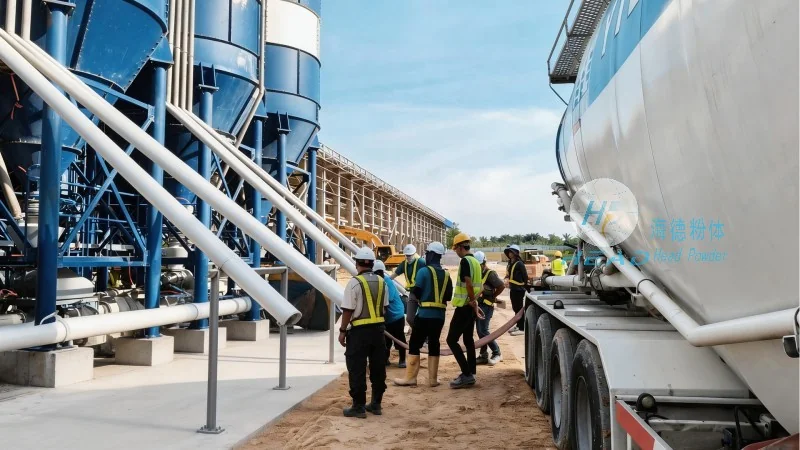
Pneumatic Conveying Systems: An Essential Component in Cement Production
Pneumatic conveying is a critical technology in the cement industry, enabling the efficient and reliable transport of raw materials such as limestone, clay, and iron ore from storage silos to the grinding mills. Unlike traditional mechanical conveying methods, pneumatic systems use air pressure to move materials, offering advantages like reduced maintenance, lower energy consumption, and improved safety. The design of these systems requires careful consideration of material properties, flow rates, and system layout to ensure optimal performance.
Key Design Considerations for Cement Raw Material Pneumatic Conveying
The success of a pneumatic conveying system for cement raw materials depends on several critical design factors. First, the material's physical characteristics, including particle size distribution, density, and moisture content, must be thoroughly analyzed. These properties influence the selection of appropriate air velocities and pipeline diameters to prevent blockages and ensure smooth flow. Second, the system's capacity and flow rate requirements are determined based on the production scale and operational needs of the cement plant. Engineers must calculate the required air volume and pressure to achieve the desired conveying rate without excessive energy consumption.
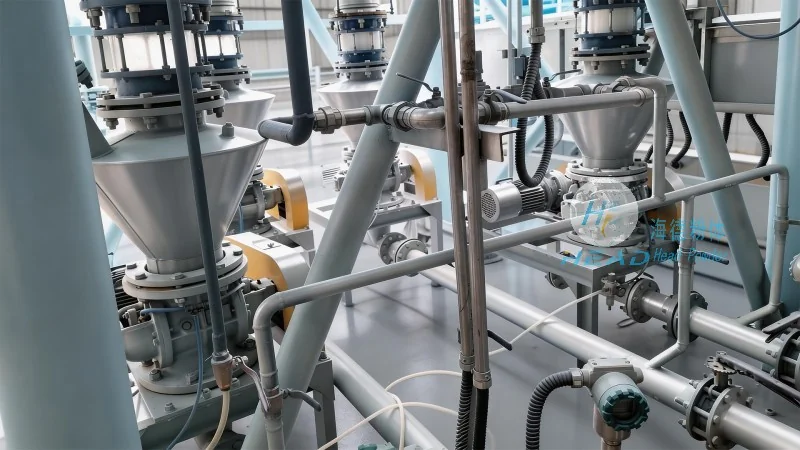
Equipment Selection for Pneumatic Conveying Systems
HeadPowder offers a range of specialized equipment for cement raw material pneumatic conveying, tailored to meet the specific needs of each project. The selection process involves evaluating various components such as feeders, cyclones, filters, and vacuum pumps. For example, rotary valves are commonly used as feeders to control the flow of raw materials into the conveying line, while cyclone separators efficiently separate the conveyed material from the air stream. The choice of equipment depends on factors like material abrasiveness, system pressure, and the required conveying distance. HeadPowder's engineering team leverages advanced software and industry expertise to recommend the most suitable equipment, ensuring long-term reliability and cost-effectiveness.
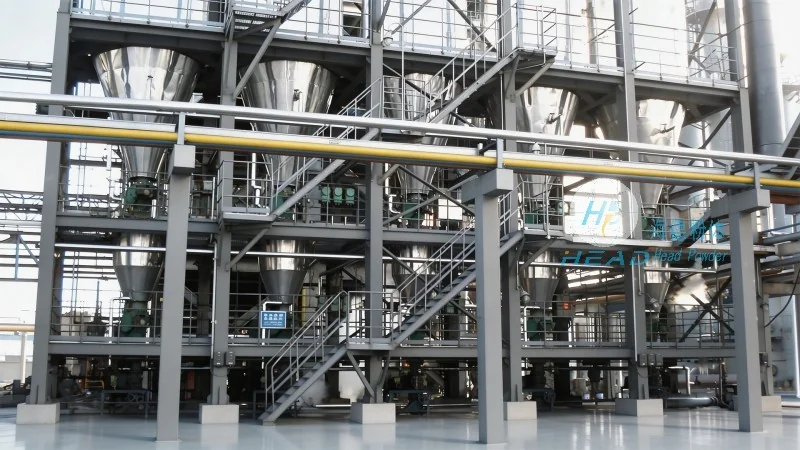
Calculation Methods for Pneumatic Conveying System Design
Accurate calculation is paramount to the successful implementation of a pneumatic conveying system. Engineers use established formulas and empirical data to determine key parameters such as air velocity, pressure drop, and power consumption. The pressure drop in the pipeline is a critical factor, as it directly impacts the energy required to operate the system. By modeling the system's components and flow characteristics, engineers can optimize the design to minimize energy use while maintaining the required conveying capacity. HeadPowder employs advanced computational fluid dynamics (CFD) tools to simulate the behavior of the conveying system under different operating conditions, allowing for precise calculations and adjustments before actual installation.
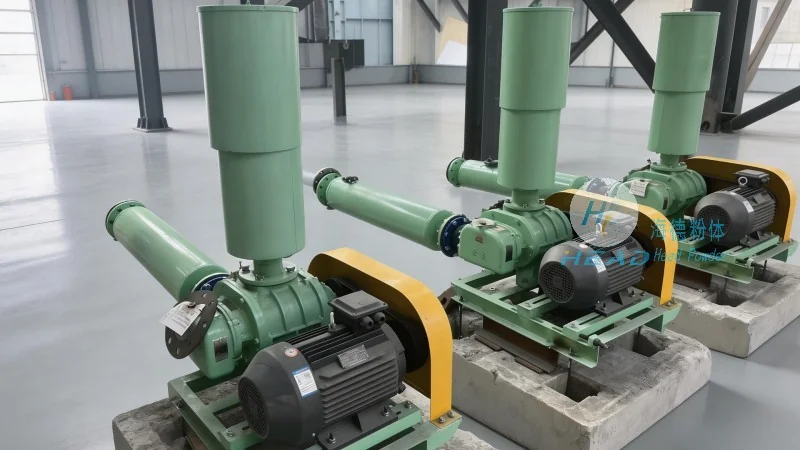
Customized Solutions for Diverse Cement Production Needs
Each cement plant has unique operational requirements, and HeadPowder provides customized pneumatic conveying solutions to address these variations. Whether the plant handles large volumes of limestone or requires specialized handling of abrasive materials, the company's engineers work closely with clients to develop tailored designs. The process begins with a thorough site assessment and material analysis, followed by the development of a detailed design plan that includes calculations, equipment specifications, and installation guidelines. HeadPowder's commitment to quality and customer satisfaction ensures that each project is completed on time and within budget, delivering systems that meet or exceed industry standards.
Conclusion: Enhancing Efficiency in Cement Raw Material Handling
In conclusion, the design and selection of pneumatic conveying systems for cement raw materials are complex but essential tasks that require expertise and precision. HeadPowder, with its extensive experience and advanced engineering capabilities, plays a vital role in optimizing these systems for cement production facilities. By focusing on accurate calculations, appropriate equipment selection, and customized solutions, the company helps clients improve operational efficiency, reduce costs, and enhance the overall performance of their cement plants. For businesses seeking reliable and efficient pneumatic conveying solutions, HeadPowder stands as a trusted partner in the industry.