

Introduction to Equipment and Structural Principles of Hydrogen Chloride Pneumatic Conveying Systems
Shandong HeadPowder Engineering Co., Ltd., commonly known as headpowder, is a professional manufacturer and supplier specializing in the design, production, and installation of pneumatic conveying systems. The company is headquartered in Shandong, China, and has established a strong reputation in the chemical processing industry for its reliable and efficient equipment solutions. With a focus on innovation and customer satisfaction, headpowder provides tailored solutions for various industrial applications, including the handling of corrosive and hazardous materials like hydrogen chloride.
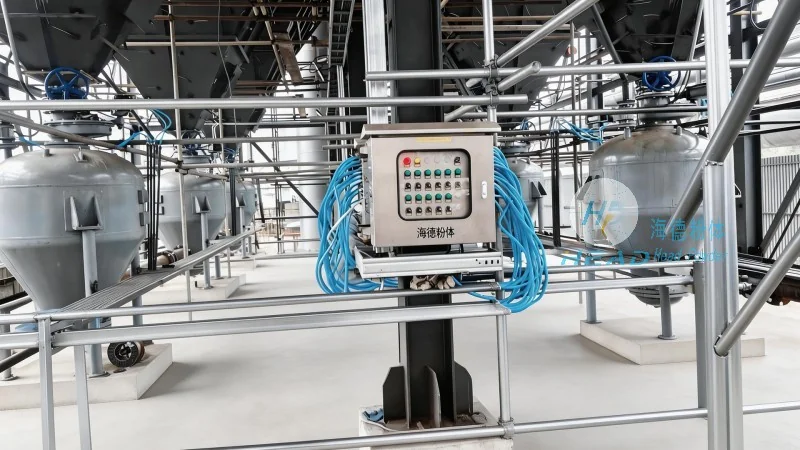
Equipment Overview of Hydrogen Chloride Pneumatic Conveying Systems
The hydrogen chloride pneumatic conveying system is a critical piece of equipment used in chemical manufacturing to transport hydrogen chloride gas or its aqueous solutions from one location to another within a plant. This system is designed to handle the unique properties of hydrogen chloride, such as its corrosive nature and high reactivity, ensuring safe and efficient material transfer. The system typically consists of several key components, including a feeding unit, a conveying line, a control system, and a receiving hopper. Each component is engineered to work in harmony to achieve optimal performance and minimize operational risks.
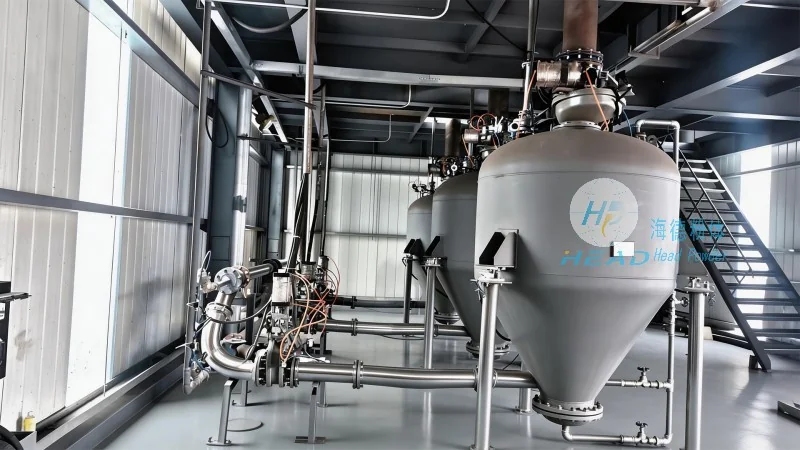
Structural Principles and Working Mechanism
The structural design of the hydrogen chloride pneumatic conveying system is based on the principles of pneumatic transport, which utilizes compressed air or other gases to move materials through a pipeline. The system operates by first feeding the hydrogen chloride material into the feeding unit, where it is mixed with the conveying medium (usually air or nitrogen). The mixture is then propelled through the conveying line under pressure, reaching the receiving hopper at the destination. The control system plays a vital role in regulating the flow rate, pressure, and temperature to maintain stable operation and prevent equipment damage. Key structural elements include corrosion-resistant materials, such as stainless steel or special alloys, to withstand the harsh environment of hydrogen chloride. The system also incorporates safety features, such as pressure relief valves and gas detection sensors, to ensure operational safety.
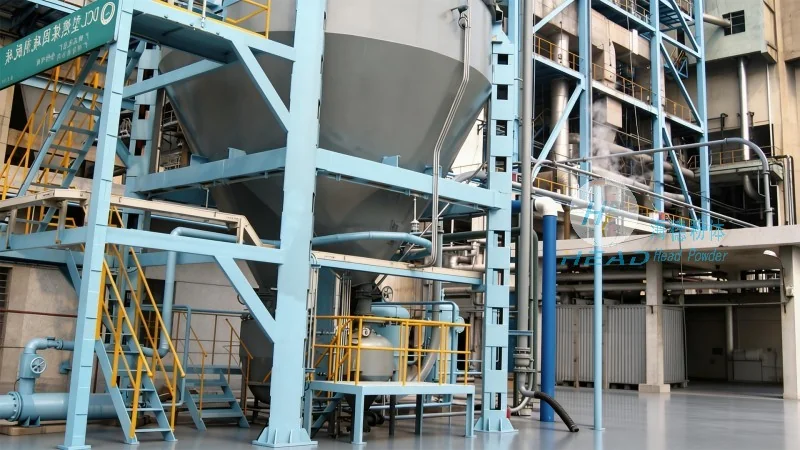
Advantages of the Hydrogen Chloride Pneumatic Conveying System
Implementing a hydrogen chloride pneumatic conveying system offers several advantages over traditional methods like pumping or manual handling. Firstly, it provides a continuous and automated material transfer process, reducing labor costs and improving operational efficiency. Secondly, the system minimizes exposure to hazardous materials, enhancing workplace safety. Thirdly, it reduces material loss and contamination, leading to higher product quality and lower waste. Additionally, the system is compact and can be integrated into existing plant layouts, saving space and installation costs. The reliability of the system, with its robust design and advanced control features, ensures consistent performance and minimal downtime.
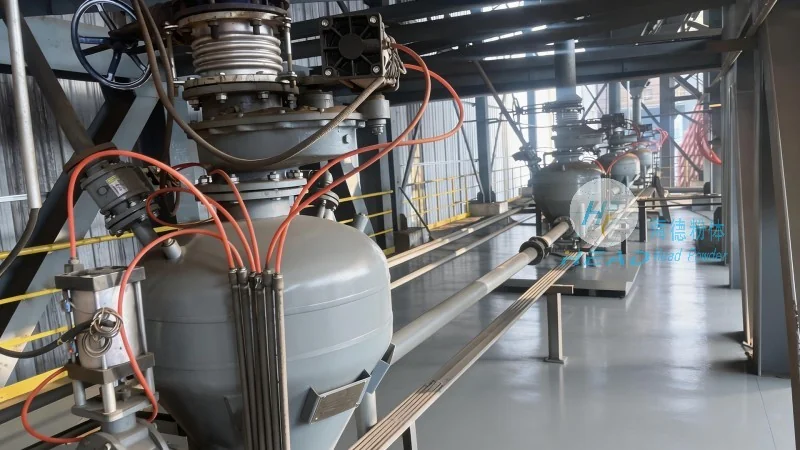
Applications and Industries
The hydrogen chloride pneumatic conveying system is widely used in various industries that handle hydrogen chloride, including chemical manufacturing, pharmaceuticals, and food processing. In chemical plants, it is used to transport hydrogen chloride from storage tanks to reaction vessels or other processing units. In pharmaceutical applications, the system ensures safe and sterile handling of hydrogen chloride solutions used in drug synthesis. The system's adaptability allows it to be customized for different process requirements, making it suitable for both small-scale and large-scale production facilities. By providing a safe and efficient method of material transfer, the system contributes to the overall productivity and safety of industrial operations.