

Introduction to PP Pneumatic Conveying Equipment and Its Structural Principles
PP pneumatic conveying equipment is a critical component in material handling and processing industries, designed to efficiently transport bulk materials through a pipeline system using air or gas as the conveying medium. This technology offers a versatile and effective solution for moving various types of powders and granules, including polypropylene (PP) and other similar materials, from one location to another with minimal human intervention. The equipment's design and operational principles are tailored to ensure high efficiency, reliability, and safety in industrial applications.
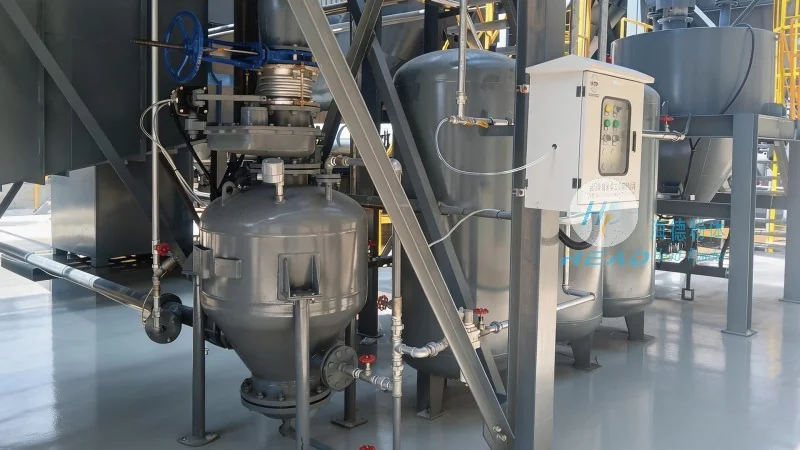
About HeadPowder: Leading Pneumatic Conveying Solutions Provider
HeadPowder, a prominent name in the field of pneumatic conveying technology, is dedicated to providing high-quality PP pneumatic conveying equipment and comprehensive solutions for industrial material handling needs. As a professional manufacturer based in Shandong, China, HeadPowder Engineering Co., Ltd. leverages years of expertise and advanced engineering to develop innovative systems that meet the diverse requirements of clients across various sectors. The company's commitment to excellence, coupled with a deep understanding of material characteristics and process requirements, ensures that each PP pneumatic conveying system is tailored to deliver optimal performance and long-term reliability.
Overview of PP Pneumatic Conveying Equipment
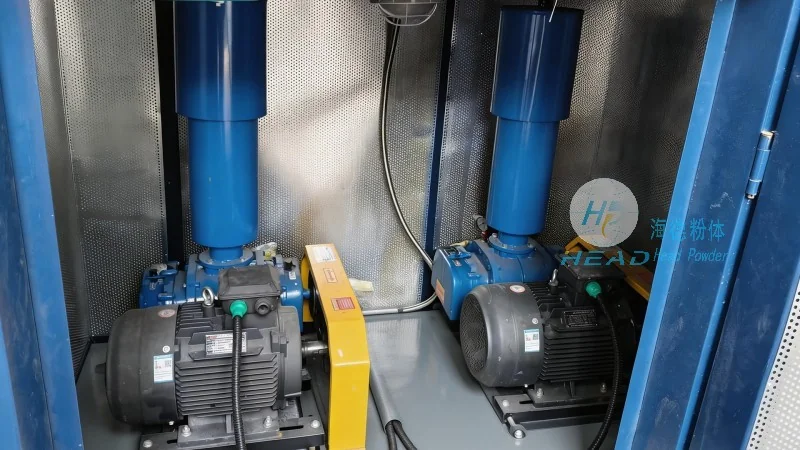
PP pneumatic conveying equipment consists of several key components that work in tandem to facilitate material transport. These components typically include a hopper or feeder for material storage and feeding, a conveying line (usually made of durable materials such as stainless steel or specialized polymers to handle PP and other similar substances), a blower or compressor to generate the necessary air pressure, and a control system to regulate the conveying process. The equipment is designed to handle a wide range of particle sizes and flow rates, making it suitable for applications in industries such as plastics, chemicals, food processing, and pharmaceuticals. The use of polypropylene (PP) in the construction of certain components, such as hoppers or liners, enhances resistance to wear and chemical corrosion, ensuring a longer service life and reduced maintenance costs.
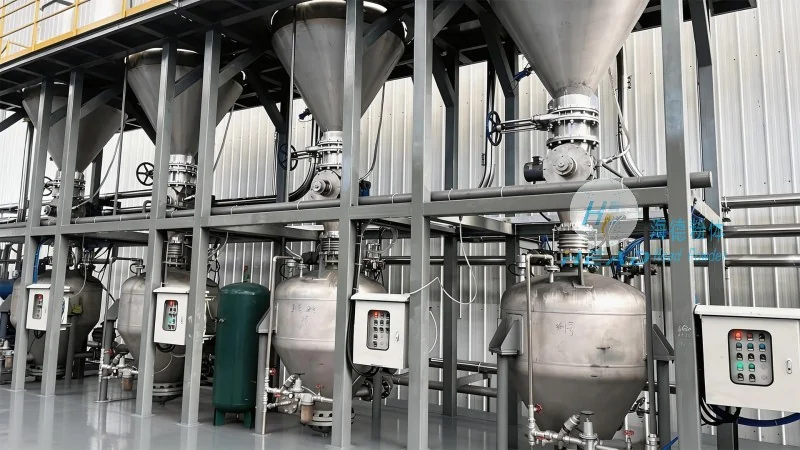
Structural Principles and Working Mechanism of PP Pneumatic Conveying Systems
The structural principles of PP pneumatic conveying systems are based on the fundamental concept of using air or gas to create a flow of material through a pipeline. The system operates by first feeding the material into the hopper, where it is then drawn into the conveying line by the pressure differential created by the blower. The air, which is typically filtered and conditioned to prevent contamination, is introduced at a controlled rate to ensure that the material is carried along the pipeline without clogging or degradation. The conveying line is often equipped with bends, elbows, and other fittings that are designed to minimize pressure loss and maintain the material's flow characteristics. The control system plays a crucial role in monitoring and adjusting the air pressure, flow rate, and material feed rate to maintain optimal conveying conditions. This ensures that the system operates efficiently, with minimal energy consumption and maximum material throughput.
Key Features and Advantages of PP Pneumatic Conveying Equipment
PP pneumatic conveying equipment offers several advantages that make it a preferred choice for industrial applications. One of the primary benefits is its ability to handle a wide variety of materials, including abrasive and corrosive substances, without causing damage to the equipment. The use of PP in certain components provides excellent resistance to wear and chemical attack, extending the equipment's lifespan and reducing maintenance requirements. Additionally, the system is compact and can be installed in confined spaces, making it suitable for facilities with limited floor space. The conveying process is also relatively clean and dust-free compared to traditional methods such as belt conveyors or bucket elevators, which helps maintain a safe and hygienic working environment. Furthermore, the equipment can be easily integrated with existing production lines, allowing for seamless material transfer and process automation.
Applications and Industries Served by PP Pneumatic Conveying Systems
PP pneumatic conveying systems are widely used in various industries due to their versatility and efficiency. In the plastics industry, they are commonly employed to transport PP pellets, powders, and granules from storage silos to processing machines, such as extruders or injection molding equipment. The equipment ensures a consistent and controlled feed of material, which is critical for maintaining product quality and reducing downtime. In the chemical industry, PP pneumatic conveying systems are used to handle a range of chemicals, including powders and granules, from raw material storage to processing units. The system's ability to handle corrosive and abrasive materials makes it suitable for applications where other conveying methods may not be effective. The food and pharmaceutical industries also benefit from PP pneumatic conveying systems, as they provide a hygienic and dust-free method of transporting ingredients and raw materials, ensuring compliance with regulatory standards. Overall, the equipment's adaptability and reliability make it an essential component in modern industrial operations.
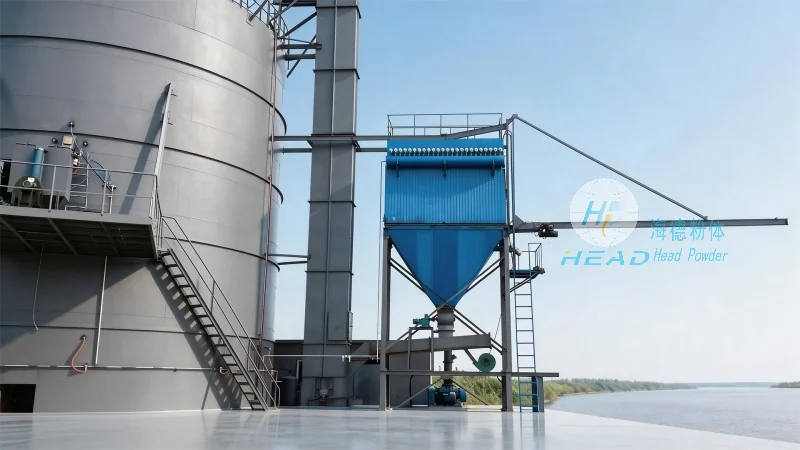
Maintenance and Operational Considerations for PP Pneumatic Conveying Equipment
Proper maintenance and operational practices are essential to ensure the longevity and optimal performance of PP pneumatic conveying equipment. Regular inspection of components, such as the hopper, conveying line, and blower, is necessary to identify and address any signs of wear or damage. The air filtration system should be checked and cleaned regularly to prevent clogging and maintain air quality. The control system should be calibrated periodically to ensure accurate monitoring and adjustment of conveying parameters. Additionally, the material feed rate should be adjusted according to the system's capacity and the material's characteristics to avoid overloading or underloading the equipment. Proper training of operators on the equipment's operation and maintenance is also crucial to prevent accidents and ensure safe and efficient operation. By following these guidelines, users can maximize the equipment's lifespan and minimize downtime, thereby enhancing overall productivity and reducing operational costs.
Conclusion: The Role of PP Pneumatic Conveying Equipment in Modern Industry
PP pneumatic conveying equipment plays a vital role in modern industrial operations by providing an efficient, reliable, and cost-effective method of material handling. The equipment's ability to transport a wide range of materials, including polypropylene and other similar substances, makes it an indispensable tool in various industries. With its robust design, advanced control systems, and adaptability to different applications, PP pneumatic conveying systems offer significant advantages over traditional conveying methods. As a leading provider of such equipment, HeadPowder Engineering Co., Ltd. continues to innovate and develop new solutions to meet the evolving needs of the industry. By leveraging their expertise and commitment to quality, HeadPowder ensures that clients receive high-performance PP pneumatic conveying systems that enhance productivity, safety, and overall operational efficiency.