

Introduction to and Principle of Structure for Ash and Slag Pneumatic Conveying Equipment
HeadPowder, a leading manufacturer based in Shandong, China, specializes in the design and production of advanced pneumatic conveying systems tailored for handling ash and slag materials. These systems are crucial in various industrial applications, including power plants, cement factories, and waste management facilities, where efficient and reliable material transport is essential for operational efficiency and environmental compliance.
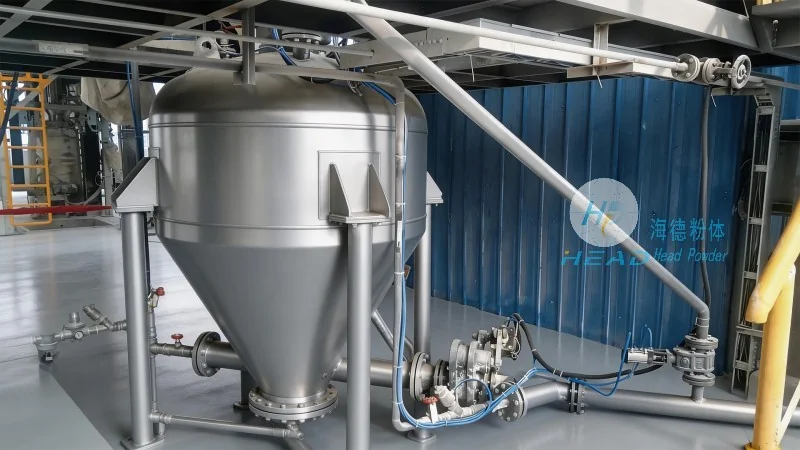
The core of the ash and slag pneumatic conveying equipment lies in its ability to transport bulk materials through a pipeline using air pressure. This method offers significant advantages over traditional mechanical conveying systems, such as reduced maintenance costs, lower energy consumption, and enhanced safety by eliminating the need for moving parts in the material path. The equipment typically consists of several key components that work in concert to ensure smooth and continuous material transfer.
Key Components and Structural Principles
The pneumatic conveying system for ash and slag typically includes a feeding unit, a conveying pipeline, a separation or collection system, and a control unit. The feeding unit is responsible for introducing the ash or slag material into the system, often using a rotary valve or a screw feeder to ensure a consistent flow rate. The conveying pipeline, usually made of corrosion-resistant materials like stainless steel or special alloys, is designed to withstand the abrasive nature of the materials being transported. The pipeline may include bends, expansions, or reductions to accommodate changes in direction or elevation, all while maintaining optimal air flow and pressure.
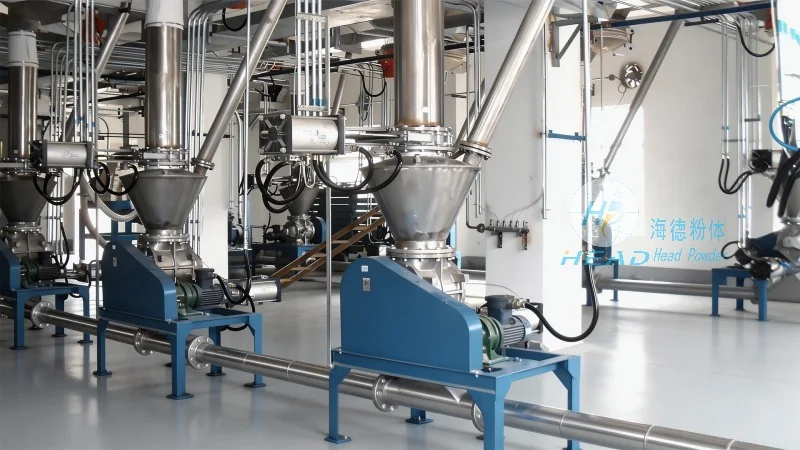
At the receiving end, a separation or collection system is employed to separate the conveyed material from the air stream. This is commonly achieved through a cyclone separator or a bag filter, which captures the solid particles and returns them to the process, while allowing the air to be discharged or recirculated. The control unit, equipped with sensors and automation technology, monitors the system's performance, adjusts air pressure and flow rates as needed, and provides real-time data on material throughput and system efficiency.
Advantages of Pneumatic Conveying for Ash and Slag
Compared to other conveying methods, pneumatic systems offer several benefits that make them ideal for handling ash and slag. Firstly, they provide a dust-free environment, which is critical for maintaining workplace safety and adhering to environmental regulations. The enclosed pipeline design prevents dust emissions, reducing the risk of respiratory issues among workers and minimizing the impact on the surrounding environment. Secondly, the system's flexibility allows for easy integration into existing industrial layouts, with the ability to route the pipeline around obstacles or through different levels of a facility.
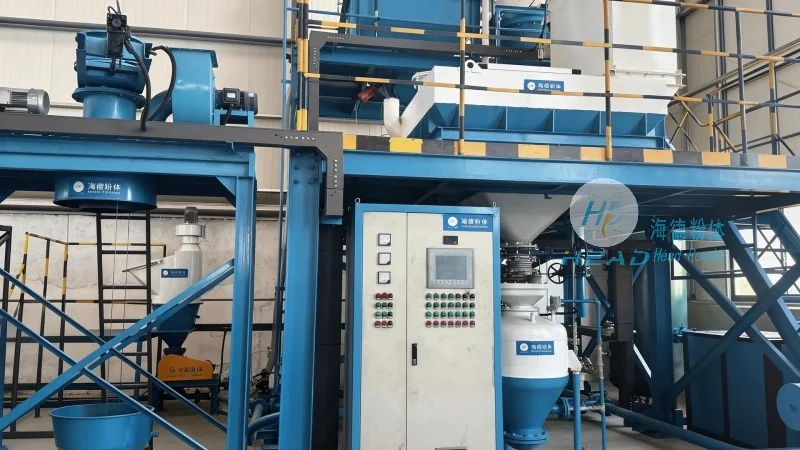
Thirdly, the energy efficiency of pneumatic conveying is noteworthy. By using air pressure to move materials, the system consumes less energy compared to mechanical systems that rely on motors and gears. This not only reduces operational costs but also contributes to lower carbon emissions, aligning with sustainability goals in modern industry. Additionally, the reduced need for maintenance, as there are fewer moving parts exposed to wear and tear, results in lower downtime and maintenance expenses over the system's lifespan.
Application Scenarios and Operational Considerations
Ash and slag pneumatic conveying equipment is widely used in power generation plants, where the byproducts of coal combustion are transported from the boiler to storage or disposal sites. In cement factories, the system helps in moving raw materials like limestone and clinker, as well as ash and slag used as supplementary cementitious materials. Waste management facilities also benefit from these systems, as they enable the efficient transport of incinerated waste and other solid residues.
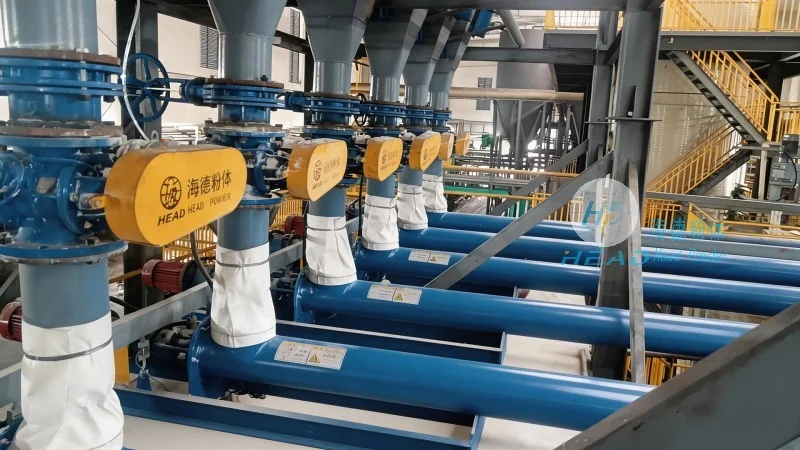
When operating such systems, several factors must be considered to ensure optimal performance. The material's properties, including its density, moisture content, and particle size distribution, significantly affect the system's design and operation. For example, highly abrasive materials may require special pipeline materials and wear-resistant components to extend the system's lifespan. The system's capacity must be matched to the production rate of the source material to avoid bottlenecks or overloading. Furthermore, proper air pressure and flow rate management are crucial to prevent blockages or excessive energy consumption. Regular maintenance, including cleaning of filters and checking for leaks in the pipeline, is essential to maintain the system's efficiency and prevent operational issues.
Conclusion and Company Profile
HeadPowder Engineering Co., Ltd., based in Shandong, China, is a reputable provider of ash and slag pneumatic conveying equipment, offering customized solutions that meet the specific needs of various industrial applications. With a focus on quality, efficiency, and reliability, the company's products are designed to enhance operational performance while adhering to environmental standards. By leveraging advanced engineering and manufacturing techniques, HeadPowder ensures that its pneumatic conveying systems deliver long-term value and contribute to the sustainable operation of industrial facilities worldwide.