

Operation Process and Working Principle of a Potassium Carbonate Material Pneumatic Conveying Line
For industrial applications involving the handling of potassium carbonate, efficient material transport is crucial. The pneumatic conveying line designed by Shandong HeadPowder Engineering Co., Ltd. offers a reliable solution that integrates advanced technology with practical operational design. This system is engineered to handle the unique characteristics of potassium carbonate, ensuring consistent performance and minimal downtime.
Components and Structure of the Pneumatic Conveying Line
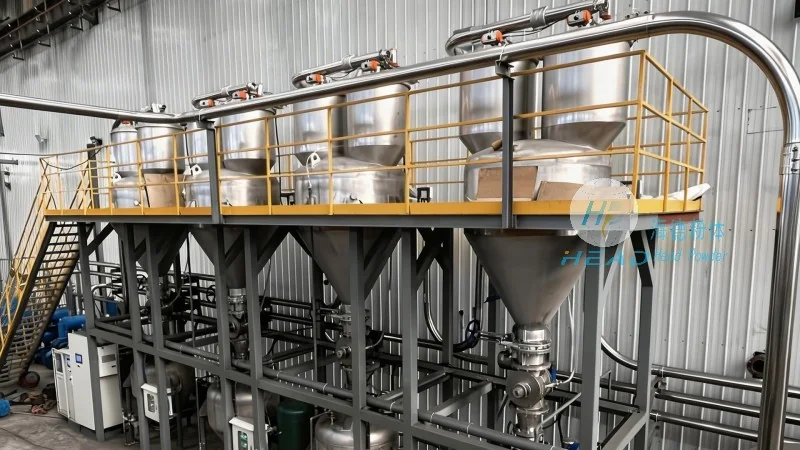
The pneumatic conveying line consists of several key components that work in tandem to facilitate material transport. At the core is a hopper or storage silo where the potassium carbonate is stored. From there, the material is fed into a feeder, typically a rotary valve or a screw feeder, which controls the flow rate. The feeder connects to a pipeline system that may include straight sections, bends, and possibly expansion or contraction sections to accommodate changes in direction and pressure. The pipeline is equipped with pressure vessels or receivers that help maintain consistent pressure and prevent material buildup. Additionally, the system includes a blower or a positive displacement pump that generates the necessary air or gas flow to move the material through the pipeline. The entire setup is designed to handle the specific properties of potassium carbonate, such as its particle size, density, and flow characteristics, ensuring smooth and efficient transport.

Working Principle of the Pneumatic Conveying Process
The operation of the potassium carbonate pneumatic conveying line is based on the principle of pneumatic transport, where material is suspended and carried by a moving air or gas stream. The process begins with the material being fed from the storage hopper into the feeder. The feeder regulates the flow rate, ensuring a steady supply of potassium carbonate into the pipeline. Simultaneously, the blower or pump generates a high-pressure air stream that travels through the pipeline. As the air flows, it creates a low-pressure zone behind the material, which draws the potassium carbonate particles into the air stream. The particles are then suspended in the air and carried along the pipeline to the discharge point. The pipeline design, including the use of bends and straight sections, is optimized to minimize pressure loss and maintain the flow velocity required to keep the material in suspension. The system also includes control mechanisms to regulate the air flow and material feed, ensuring that the conveying process operates within the optimal parameters for the specific application.
Operation Process and Key Steps
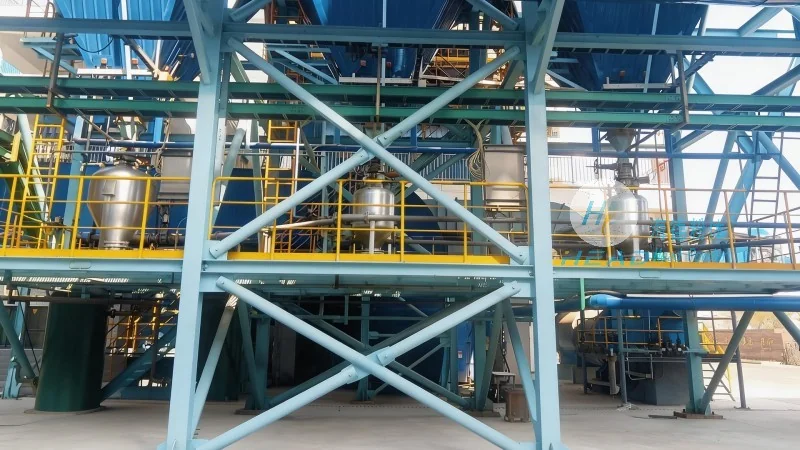
The operation of the pneumatic conveying line involves several sequential steps that ensure the smooth and efficient transport of potassium carbonate. The first step is the preparation phase, where the material is loaded into the storage hopper. This is followed by the startup sequence, where the blower is activated and the feeder is started to begin the material flow. During operation, the system continuously monitors the pressure and flow rates to maintain optimal performance. The material is conveyed from the inlet point to the discharge point, which may be a storage tank, a processing unit, or another part of the industrial facility. The system includes safety features such as pressure relief valves and flow monitors to prevent overpressure and ensure safe operation. The entire process is automated to minimize human intervention, reducing the risk of errors and improving overall efficiency. Regular maintenance is also performed to ensure the longevity and reliability of the system, including cleaning of the pipeline, inspection of components, and replacement of worn parts.
Advantages and Benefits of the Pneumatic Conveying Line
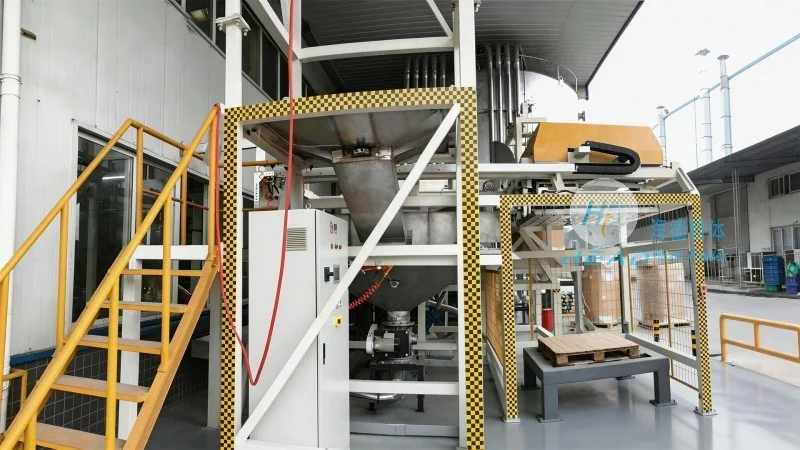
The pneumatic conveying line for potassium carbonate offers several advantages over traditional material handling methods. One of the primary benefits is the ability to transport material over long distances without the need for intermediate storage or transfer points. This reduces the overall footprint of the industrial facility and improves operational efficiency. The system also provides a dust-free and enclosed environment, which is essential for handling potassium carbonate, as it helps prevent contamination and ensures a safe working environment. Additionally, the pneumatic conveying line is highly flexible, allowing for changes in the conveying route or capacity without major modifications to the system. The system is also energy-efficient, as the blower or pump can be sized to match the specific requirements of the application, minimizing energy consumption. Overall, the pneumatic conveying line from Shandong HeadPowder Engineering Co., Ltd. provides a reliable and cost-effective solution for the transport of potassium carbonate, meeting the demands of modern industrial operations.