

Operation Process and Working Principle of Silica Powder Material Pneumatic Conveying Line
HeadPowder, a leading provider in the field of material handling solutions, specializes in the design, manufacturing, and installation of pneumatic conveying systems tailored for various industrial applications. This article delves into the operation process and working principle of a pneumatic conveying line specifically designed for handling silica powder, a common industrial material used in multiple sectors such as construction, pharmaceuticals, and chemical manufacturing.
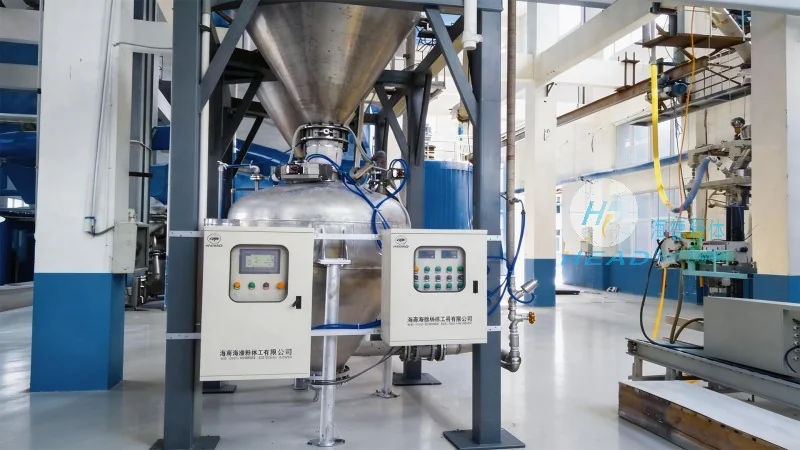
Overview of Silica Powder Pneumatic Conveying Systems
Silica powder, characterized by its fine particle size and potential for dust generation, requires efficient and reliable transport methods to ensure safety and maintain product quality. Pneumatic conveying lines offer a solution by utilizing air as the conveying medium to transport the powder from one location to another. These systems are designed to handle the unique challenges associated with silica powder, including its low bulk density and tendency to agglomerate, ensuring smooth and continuous operation.
Key Components of the Pneumatic Conveying Line
The pneumatic conveying line for silica powder typically consists of several critical components that work in tandem to achieve effective material transport. These components include a hopper for material storage, a feeder to control the flow rate, a conveying pipeline, a dust collector to manage airborne particles, and a discharge unit for the final delivery of the powder. Each component plays a vital role in maintaining the system's efficiency and safety.
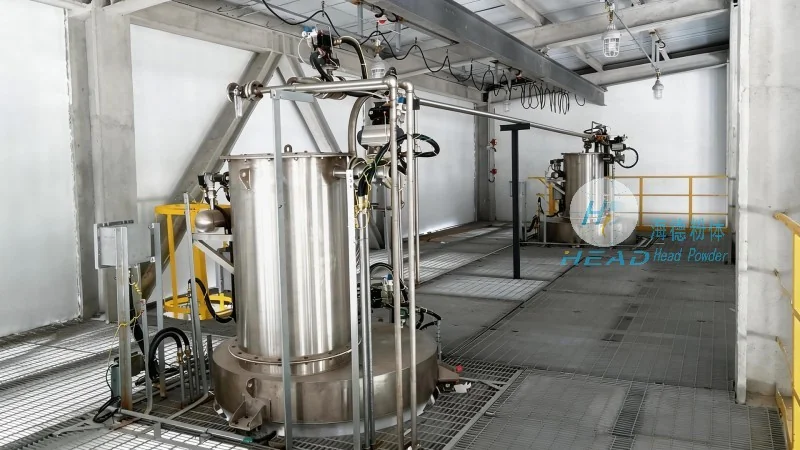
Working Principle of the Pneumatic Conveying Process
The operation of the silica powder pneumatic conveying line begins with the material being fed into the hopper from a storage silo or bulk container. The feeder then regulates the flow of silica powder into the conveying pipeline, ensuring a consistent and controlled rate. Compressed air, supplied by a blower or compressor, is introduced into the pipeline, creating a pressure differential that propels the powder particles forward. As the air and powder mixture travels through the pipeline, the silica powder is suspended and transported to the discharge point. The dust collector, positioned along the pipeline, captures any airborne particles, preventing dust contamination and maintaining environmental compliance.
Operation Process: Step-by-Step Execution
The operational process of the pneumatic conveying line involves several sequential steps that ensure the smooth transfer of silica powder. First, the system is started by activating the blower and feeder, which initiates the flow of compressed air and material. The hopper is filled with silica powder, and the feeder adjusts the feed rate based on the required throughput. As the material moves through the pipeline, the pressure and velocity of the air are carefully monitored to maintain optimal conveying conditions. The dust collector continuously operates to capture any escaped particles, ensuring that the system remains clean and safe. Finally, the powder is discharged from the pipeline into the receiving container or processing equipment, completing the transport cycle.
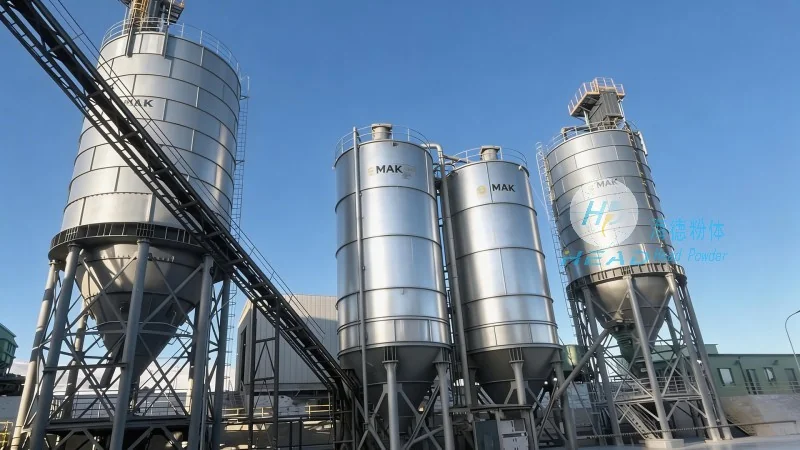
Advantages of Pneumatic Conveying for Silica Powder
Utilizing a pneumatic conveying line for silica powder offers several advantages over traditional methods such as bucket elevators or belt conveyors. These systems provide a dust-free and enclosed environment, reducing the risk of occupational exposure to silica dust and minimizing environmental impact. Additionally, pneumatic conveying allows for flexible and space-saving installation, as the pipeline can be routed vertically, horizontally, or in a combination of both, adapting to the layout of the industrial facility. The system also offers high efficiency in terms of material handling capacity and energy consumption, making it a cost-effective solution for long-distance or high-volume transport of silica powder.
Maintenance and Safety Considerations
To ensure the reliable and safe operation of the silica powder pneumatic conveying line, regular maintenance and adherence to safety protocols are essential. Regular inspections of the hopper, feeder, and pipeline for any signs of wear or blockage are necessary to prevent system failures. The dust collector should be cleaned periodically to maintain its efficiency in capturing airborne particles. Additionally, proper ventilation and dust control measures should be implemented to protect personnel from silica dust exposure. HeadPowder emphasizes the importance of following industry standards and guidelines for the safe operation of pneumatic conveying systems, ensuring that the equipment operates within its designed parameters and meets all regulatory requirements.