

Operation Process and Working Principle of Tea Material Pneumatic Conveying Equipment
Tea material pneumatic conveying equipment is a specialized system designed to efficiently transport loose tea leaves or processed tea products from one location to another within a processing facility. This equipment is manufactured by Shandong HeadPowder Engineering Co., Ltd., a leading company based in Shandong, China, known for its high-quality industrial solutions. The operation of such equipment involves a series of precise steps and mechanical actions that ensure the safe, clean, and effective movement of tea materials. This article provides a detailed overview of the operation process and working principles of these systems, highlighting key components and their functions.
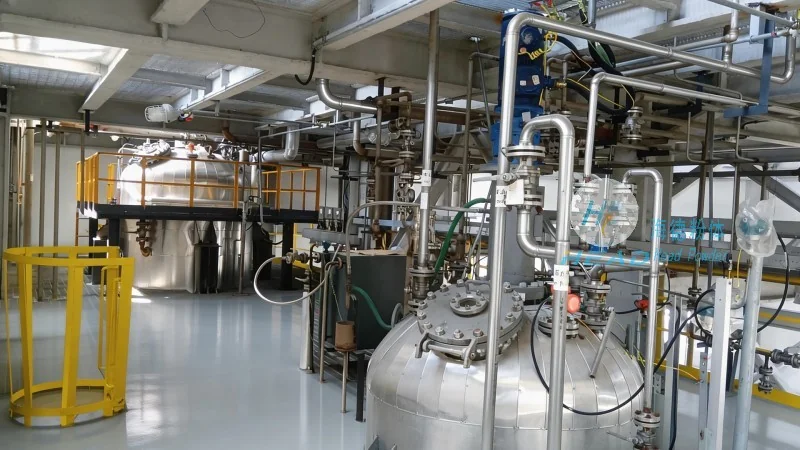
Overview of Tea Material Pneumatic Conveying Equipment
Tea material pneumatic conveying equipment, often referred to as pneumatic conveyors, utilizes air as the primary medium to transport solid materials like tea leaves. These systems are widely used in the tea industry due to their ability to handle delicate materials without causing damage, maintain hygiene standards, and achieve high levels of efficiency. The equipment typically consists of several core components, including a hopper for material storage, a blower or air compressor to generate airflow, a conveying line (usually a flexible hose or rigid pipe), and a discharge point where the tea is deposited.
Key Components and Their Functions
The effectiveness of tea material pneumatic conveying equipment relies on the proper functioning of its key components. Each part plays a critical role in the overall operation. The hopper, often equipped with a feeding mechanism such as a rotary valve or screw feeder, ensures a consistent supply of tea material into the system. The blower or air compressor generates the necessary air pressure and volume to create a flow of air that can carry the tea particles. The conveying line, which may be made of stainless steel or other food-grade materials, is designed to withstand the pressure and temperature conditions while maintaining the integrity of the tea product. The discharge point, which can be a collection bin or a processing unit, receives the tea material at the end of the conveying line.
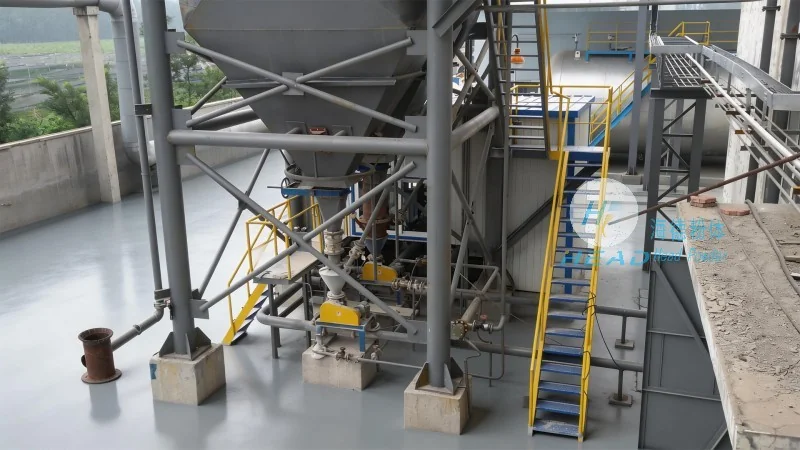
The Operation Process of Tea Material Pneumatic Conveying Equipment
The operation process of tea material pneumatic conveying equipment begins with the loading of tea material into the hopper. The feeding mechanism then releases the material into the conveying line as the blower starts operating. The air flow, generated by the blower, creates a negative pressure or positive pressure environment within the line, depending on the system design. This airflow lifts and transports the tea particles through the conveying line to the discharge point. The speed and pressure of the air are carefully controlled to ensure that the tea leaves are conveyed without excessive friction or damage. The system may also include a filter or separator to remove any dust or debris from the air before it is discharged back into the environment or recirculated.
Working Principles of Pneumatic Conveying Systems
The working principle of tea material pneumatic conveying equipment is based on the fundamental concept of fluidization and particle transport. In a pneumatic conveying system, the air flow is used to suspend the tea particles in the air stream, allowing them to be transported through the conveying line. The key working principles include: 1. Airflow Generation: The blower or compressor provides the necessary airflow to create the conveying force. 2. Particle Suspension: The air velocity is maintained at a level that is sufficient to keep the tea particles suspended in the air stream, preventing them from settling or clogging the line. 3. Pressure Control: The system maintains appropriate pressure levels to ensure efficient transport and prevent air leakage or material blockages. 4. Material Handling: The equipment is designed to handle the specific characteristics of tea leaves, such as their size, density, and moisture content, to ensure optimal performance.
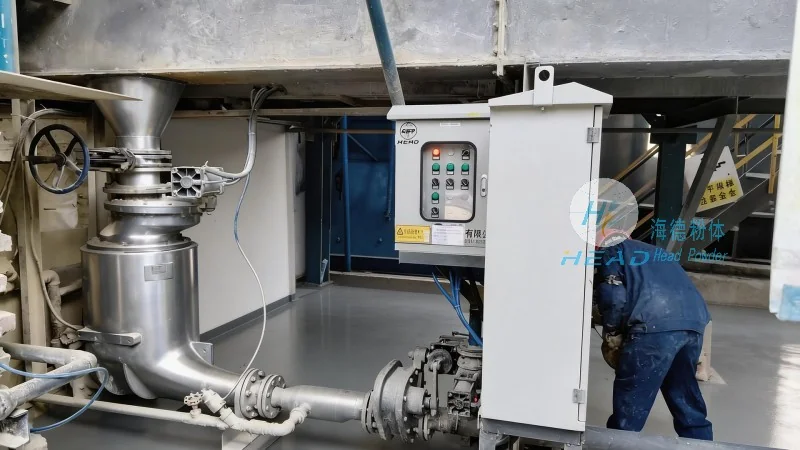
Advantages of Using Tea Material Pneumatic Conveying Equipment
Tea material pneumatic conveying equipment offers several advantages over traditional methods of material handling, such as belt conveyors or manual transport. These advantages include: 1. Hygiene and Cleanliness: The enclosed system prevents contamination from external sources and maintains the purity of the tea product. 2. Efficiency and Speed: The equipment can transport large quantities of tea material quickly and with minimal labor. 3. Flexibility: Pneumatic conveyors can be easily reconfigured or extended to accommodate changes in production needs or facility layout. 4. Reduced Damage: The gentle handling of tea leaves minimizes breakage or bruising, preserving the quality and flavor of the final product. 5. Space Efficiency: The compact design of pneumatic conveying systems allows for efficient use of space within processing facilities.
Applications in the Tea Industry
Tea material pneumatic conveying equipment is widely used in various stages of the tea processing industry. These systems are commonly employed for transporting raw tea leaves from the drying or sorting areas to the packaging or storage facilities. They are also used in the processing of finished tea products, such as tea bags or loose leaf tea, to move the material between different processing units. Additionally, pneumatic conveyors are used in quality control processes, where they can transport samples of tea for testing and analysis. The versatility of these systems makes them suitable for a wide range of applications within the tea industry.
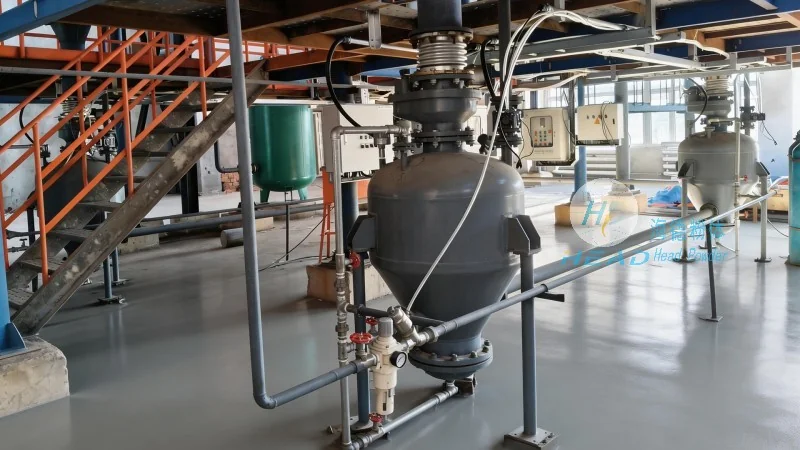
Maintenance and Operational Considerations
Proper maintenance and operational considerations are essential to ensure the long-term performance and reliability of tea material pneumatic conveying equipment. Regular maintenance tasks include checking the condition of the conveying line for any signs of wear or damage, inspecting the blower or compressor for proper operation, and cleaning the system to remove any accumulated dust or debris. Operational considerations include monitoring the air pressure and flow rates to ensure optimal performance, adjusting the feeding rate to match the conveying capacity, and implementing safety measures to prevent accidents or injuries. By following these maintenance and operational guidelines, tea processing facilities can maximize the efficiency and lifespan of their pneumatic conveying systems.
Conclusion
Tea material pneumatic conveying equipment is a critical component in modern tea processing facilities, providing an efficient and effective means of transporting tea materials. The operation process and working principles of these systems are designed to handle the delicate nature of tea leaves while maintaining high standards of hygiene and quality. By understanding the key components, operation process, and working principles of pneumatic conveying equipment, tea processing companies can optimize their material handling processes and improve overall production efficiency. As the tea industry continues to evolve, the use of advanced pneumatic conveying systems will remain a vital part of ensuring the quality and consistency of tea products.