

Operation Process and Working Principle of a Mineral Powder Material Pneumatic Conveying System
Efficient material handling is a critical aspect of modern industrial operations, particularly in sectors dealing with bulk mineral powders. The pneumatic conveying system represents a sophisticated solution for transporting such materials with precision and reliability. This article delves into the operation process and working principle of a mineral powder material pneumatic conveying system, highlighting its key components, operational dynamics, and the technical expertise behind its design and implementation.
Introduction to Pneumatic Conveying Systems
Pneumatic conveying systems utilize air or gas as the primary medium to transport bulk materials, such as mineral powders, from one location to another. Unlike traditional mechanical conveying methods, which rely on belts, buckets, or screws, pneumatic systems offer advantages like flexibility, low maintenance, and the ability to handle a wide range of particle sizes and densities. The system's design is tailored to meet specific operational requirements, ensuring optimal performance in various industrial applications.
Key Components of the System
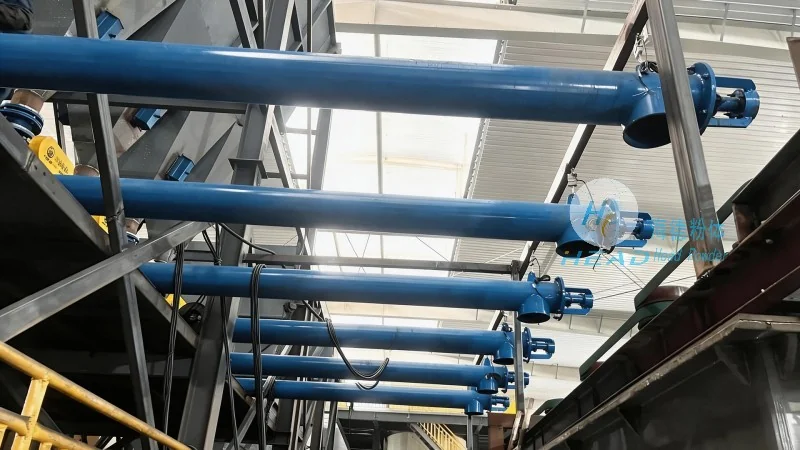
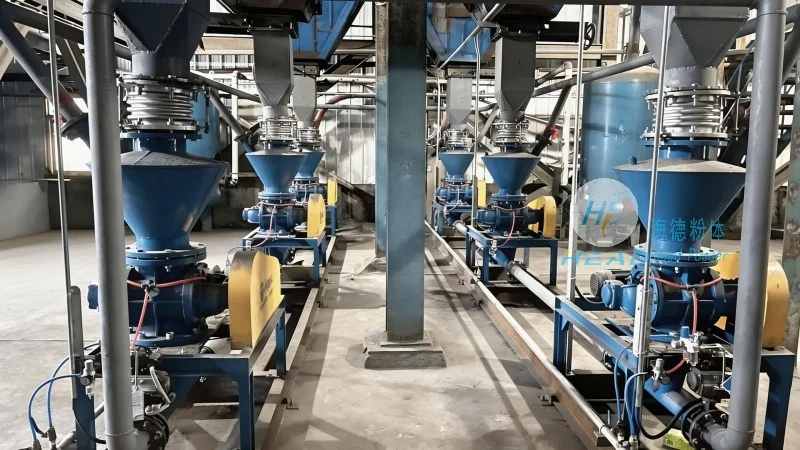
The pneumatic conveying system for mineral powders typically consists of several essential components that work in concert to facilitate material transport. These include the material hopper, which serves as the storage and feeding unit; the air compressor or blower, responsible for generating the necessary air pressure; the conveying line, which transports the material and air mixture; and the discharge point, where the material is released. Additionally, the system may incorporate accessories like filters, silencers, and control valves to enhance performance and safety.

Operation Process of the Pneumatic Conveying System
The operation process of the mineral powder pneumatic conveying system begins with the loading of material into the hopper. The material is then fed into the conveying line under controlled conditions, often using a rotary valve or feeder to regulate the flow rate. Simultaneously, the air compressor generates compressed air, which is introduced into the conveying line at a specific pressure. As the air flows through the line, it creates a flow of material, transporting it from the loading point to the discharge point. The system maintains a consistent air pressure and flow rate to ensure smooth and continuous material transport, minimizing the risk of blockages or material degradation.
Working Principle of the System
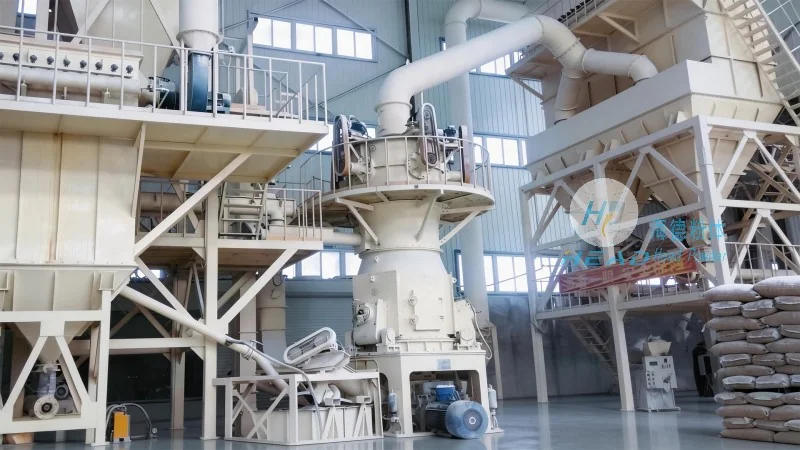
The working principle of the pneumatic conveying system is based on the principles of fluid dynamics and particle transport. When air is introduced into the conveying line at a sufficient velocity, it creates a flow that entrains the mineral powder particles. The air acts as a carrier, lifting and moving the particles through the system. The pressure differential between the inlet and outlet of the conveying line drives the material forward, while the design of the components ensures that the particles remain suspended and transported efficiently. The system's efficiency is influenced by factors such as air velocity, particle size, and the length of the conveying line, all of which are carefully optimized during the design phase.
Company Information and Expertise
HeadPowder, a leading provider of engineering solutions for material handling systems, specializes in the design, manufacturing, and installation of pneumatic conveying systems for mineral powders. With a strong presence in Shandong, China, HeadPowder Engineering Co., Ltd. leverages years of industry experience to deliver high-quality, customized solutions that meet the unique needs of its clients. The company's commitment to innovation and technical excellence ensures that its systems are reliable, efficient, and tailored to the specific requirements of each industrial application.
Conclusion
In conclusion, the operation process and working principle of a mineral powder material pneumatic conveying system represent a sophisticated and effective method for bulk material transport. By leveraging air as a carrier, these systems offer advantages in flexibility, maintenance, and performance compared to traditional mechanical methods. HeadPowder Engineering Co., Ltd., based in Shandong, China, stands as a trusted partner in providing advanced pneumatic conveying solutions, ensuring that industrial operations can achieve efficient and reliable material handling for mineral powders.