

Operation Process and Working Principle of Monosodium Glutamate Powder Material Pneumatic Conveying
HeadPowder, a leading engineering company based in Shandong, China, specializes in the design and implementation of advanced pneumatic conveying systems tailored for the handling of monosodium glutamate (MSG) powder. This article provides a detailed overview of the operational process and underlying principles of such systems, highlighting their efficiency and reliability in industrial applications.
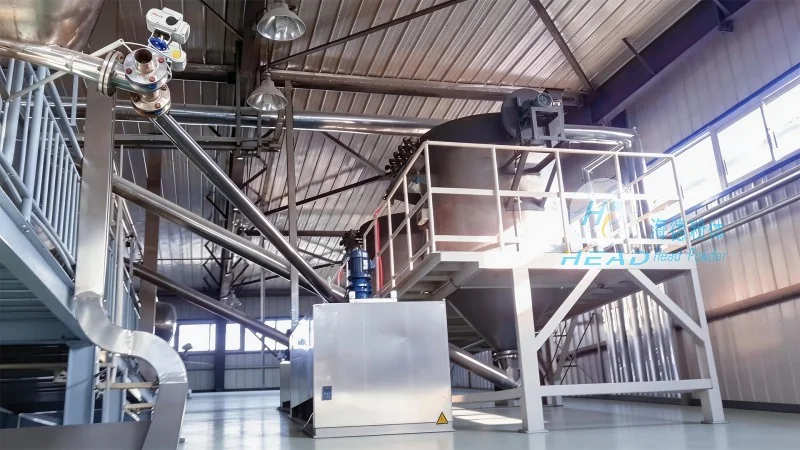
Components and Structure of the Pneumatic Conveying System
The pneumatic conveying system for monosodium glutamate powder typically consists of several key components, each playing a crucial role in the material transport process. These components include the material hopper, air compressor, conveying pipeline, and receiving tank. The material hopper is designed to store the MSG powder, ensuring a consistent feed supply. The air compressor generates the necessary air pressure to move the powder through the pipeline. The conveying pipeline, often made of stainless steel or other corrosion-resistant materials, is responsible for transporting the powder from the hopper to the receiving tank. The receiving tank collects the conveyed powder, completing the transport cycle.
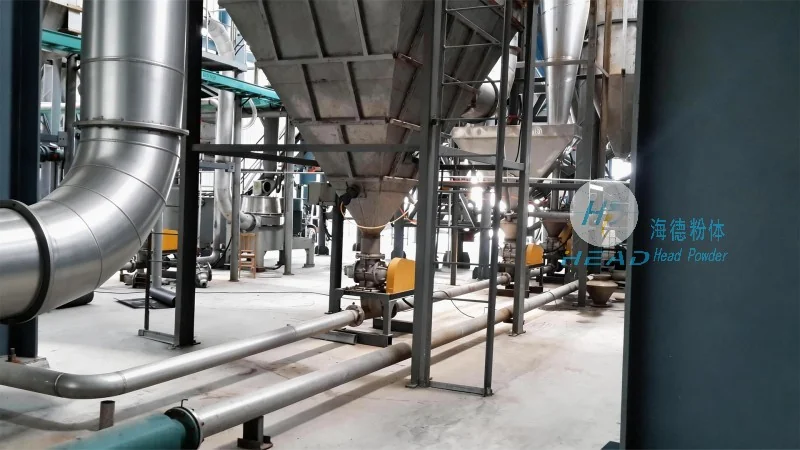
Operation Process of the Pneumatic Conveying System
The operation of the monosodium glutamate powder pneumatic conveying system follows a systematic sequence. Initially, the MSG powder is loaded into the material hopper. The air compressor then starts, generating a high-pressure air stream. This air stream is introduced into the conveying pipeline, creating a flow that pulls the powder particles along. As the powder moves through the pipeline, it is suspended and transported to the receiving tank. The system maintains a steady flow rate by controlling the air pressure and material feed rate. The receiving tank collects the conveyed powder, which can then be further processed or packaged. The entire process is automated, with sensors and control systems monitoring key parameters such as pressure, flow rate, and material level to ensure smooth and efficient operation.
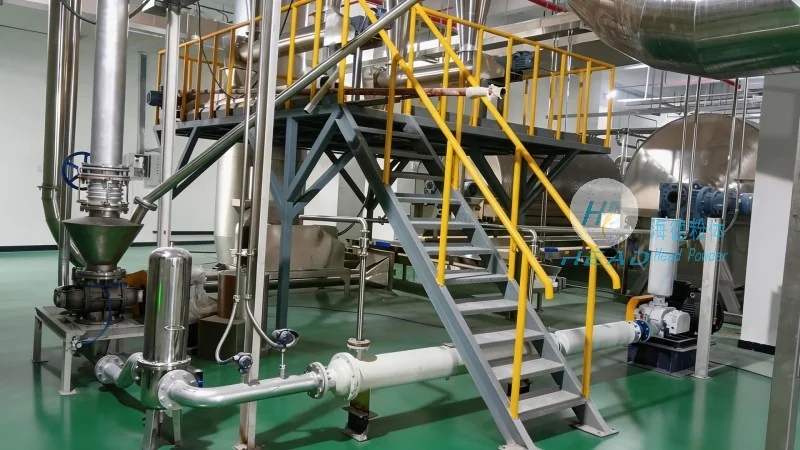
Working Principle of the Pneumatic Conveying System
The core working principle of the pneumatic conveying system for monosodium glutamate powder is based on the principle of fluidization and pneumatic transport. The system utilizes compressed air to create a flow that lifts and transports the powder particles. When the air is introduced into the conveying pipeline, it creates a low-pressure zone that draws the powder particles into the flow. The powder particles are suspended in the air stream, moving through the pipeline as a dense phase or dilute phase flow, depending on the system design and operating conditions. The efficiency of the system depends on the air velocity, particle size, and material properties. Proper design ensures that the air velocity is sufficient to overcome the gravitational force acting on the powder particles, allowing for reliable and continuous transport. The system also incorporates features such as pulse or continuous air operation to optimize the conveying performance and minimize material degradation.
Advantages of the Pneumatic Conveying System for Monosodium Glutamate Powder
Implementing a pneumatic conveying system for monosodium glutamate powder offers several advantages over traditional mechanical conveying methods. One of the primary benefits is the ability to handle the powder in a closed system, which helps prevent contamination from external sources and reduces dust emissions. This is particularly important for food-grade materials like MSG, where hygiene and product purity are critical. The system also provides a flexible and scalable solution, allowing for easy integration with existing production lines and expansion as production needs grow. Additionally, the pneumatic conveying system minimizes material degradation, as the powder is not subjected to high friction or impact during transport, which can cause clumping or degradation of the product. The automated control systems enhance operational efficiency, reducing labor costs and improving overall productivity. The system's reliability and low maintenance requirements further contribute to its cost-effectiveness in the long term.
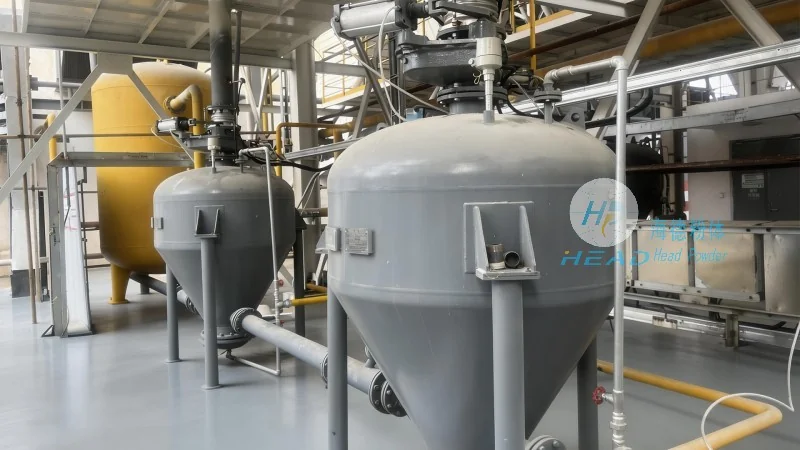
Applications and Industries
The pneumatic conveying system for monosodium glutamate powder is widely used in various industries, including food processing, chemical manufacturing, and pharmaceuticals. In the food industry, it is commonly employed in the production of monosodium glutamate, where the system ensures the safe and efficient transport of the powder from storage to processing equipment. The system is also used in the chemical industry for transporting similar powders, such as various food additives and flavorings. The pharmaceutical industry benefits from the system's ability to handle sensitive materials while maintaining strict hygiene standards. Overall, the system's versatility and adaptability make it suitable for a wide range of applications where reliable and hygienic powder transport is required.