

Operation Process and Working Principle of Lightweight Aggregate Powder Pneumatic Conveying System
Lightweight aggregate powder pneumatic conveying systems are advanced industrial solutions designed to efficiently transport lightweight aggregate powders over long distances or within complex production environments. These systems utilize air as the primary medium to move bulk materials, offering advantages such as reduced mechanical wear, minimal product contamination, and the ability to handle materials in a dust-free manner. As a key component in modern material handling, these systems are widely used in construction, chemical, and food processing industries, where the safe and efficient movement of lightweight aggregates is critical for operational efficiency.
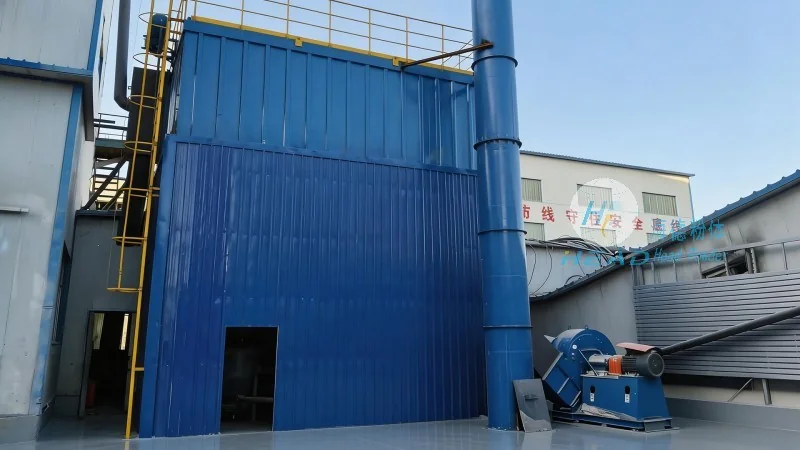
Company Overview: Shandong HeadPowder Engineering Co., Ltd.
HeadPowder, a leading manufacturer in the field of pneumatic conveying technology, specializes in the design, development, and implementation of customized lightweight aggregate powder conveying solutions. With a strong commitment to innovation and quality, the company has established itself as a trusted partner for businesses seeking reliable and efficient material handling systems. HeadPowder's expertise lies in understanding the unique challenges of transporting lightweight aggregates, such as their low density and tendency to settle or clog, and tailoring systems to meet specific operational requirements. The company's facilities are located in Shandong, China, where it leverages local resources and industry expertise to deliver high-performance conveying systems.
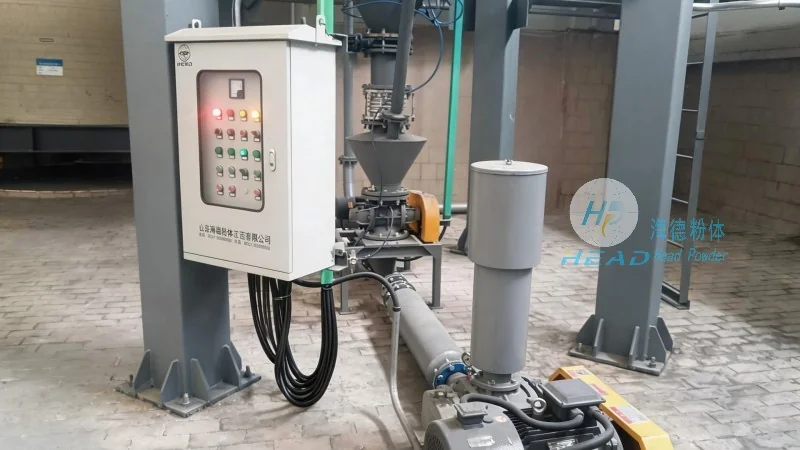
Key Components of the Pneumatic Conveying System
The lightweight aggregate powder pneumatic conveying system typically consists of several core components that work in tandem to ensure smooth material transport. These components include a hopper or feeder for material storage and feeding, a conveying line (often equipped with ducts and fittings), a blower or air compressor to generate the necessary air pressure, and a receiver or discharge unit for material collection. Each component is carefully engineered to handle the specific characteristics of lightweight aggregates, such as their low bulk density and tendency to settle or clog. The system may also incorporate additional features like cyclones for air separation, filters to capture fine particles, and control panels for automated operation.
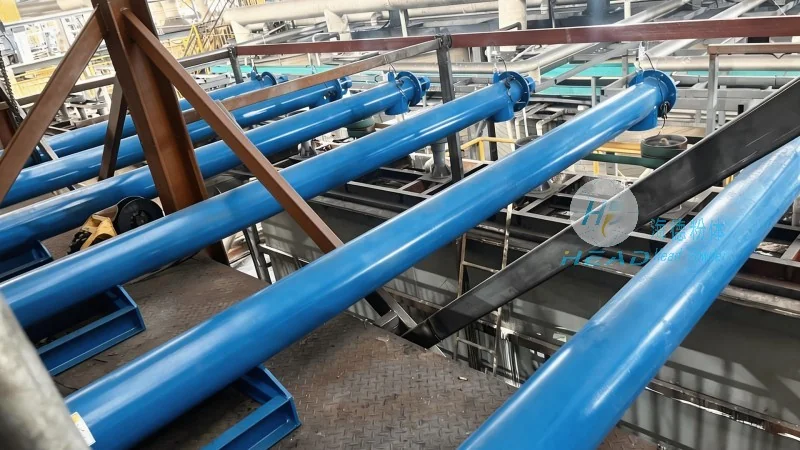
Operation Process of the Pneumatic Conveying System
The operation of a lightweight aggregate powder pneumatic conveying system involves a series of coordinated steps to ensure efficient material movement. The process begins with the loading of lightweight aggregates into the hopper or feeder. The feeder then regulates the flow of material into the conveying line, ensuring a consistent feed rate. Simultaneously, the blower or air compressor generates a high-pressure air stream, which is introduced into the conveying line. As the air flows through the ducts, it entrains the lightweight aggregate particles, creating a slurry-like mixture that is propelled through the system. The material travels from the feeder to the discharge point, where the air and material are separated. The air is typically filtered to remove any residual particles, while the lightweight aggregates are collected in the receiver. The system may also include a return air line to recycle excess air, improving energy efficiency and reducing operational costs.
Working Principle of the Pneumatic Conveying System
The working principle of the lightweight aggregate powder pneumatic conveying system is based on the principle of fluidization and air entrainment. When air is introduced into the conveying line at a sufficient velocity, it creates a turbulent flow that lifts and transports the lightweight aggregate particles. The key to efficient operation is maintaining the air velocity above the material's terminal velocity, ensuring that the particles remain suspended in the air stream. This process, known as pneumatic conveying, allows for the continuous movement of bulk materials without the need for mechanical conveyors or manual handling. The system's design, including the size and shape of the ducts, the type of blower, and the placement of components, is optimized to minimize pressure drop and energy consumption while maximizing material throughput. By carefully balancing the air flow and material feed rate, the system can achieve high efficiency and reliability in transporting lightweight aggregates.
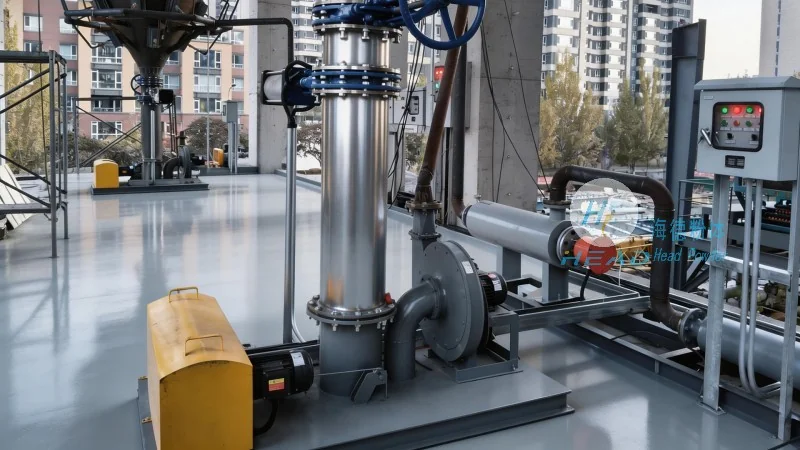
Advantages of Using a Lightweight Aggregate Powder Pneumatic Conveying System
Implementing a lightweight aggregate powder pneumatic conveying system offers numerous benefits for industrial operations. One of the primary advantages is the reduction in labor costs, as the system automates the material handling process, eliminating the need for manual loading and unloading. Additionally, the system minimizes product contamination by operating in a closed environment, preventing exposure to external elements or contaminants. The dust-free operation also enhances workplace safety and reduces the risk of respiratory issues for personnel. Furthermore, the system's ability to handle materials over long distances or within complex layouts makes it ideal for large-scale production facilities. Energy efficiency is another key benefit, as the system can recycle air and optimize air flow to reduce power consumption. Overall, the lightweight aggregate powder pneumatic conveying system provides a reliable, efficient, and cost-effective solution for transporting lightweight aggregates, contributing to improved operational performance and product quality.