

Operation Process and Working Principle of Styrene Powder Pneumatic Conveying System
Shandong HeadPowder Engineering Co., Ltd., commonly known as headpowder, specializes in the design, manufacturing, and installation of advanced pneumatic conveying systems for various industrial applications. This article provides a detailed overview of the operation process and working principle of a styrene powder pneumatic conveying system, highlighting the key components, operational procedures, and technical aspects that ensure efficient material handling.
Key Components of the Pneumatic Conveying System
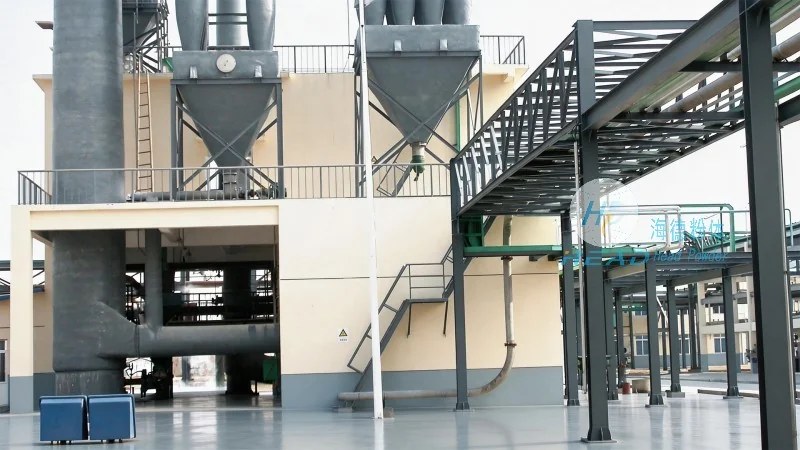
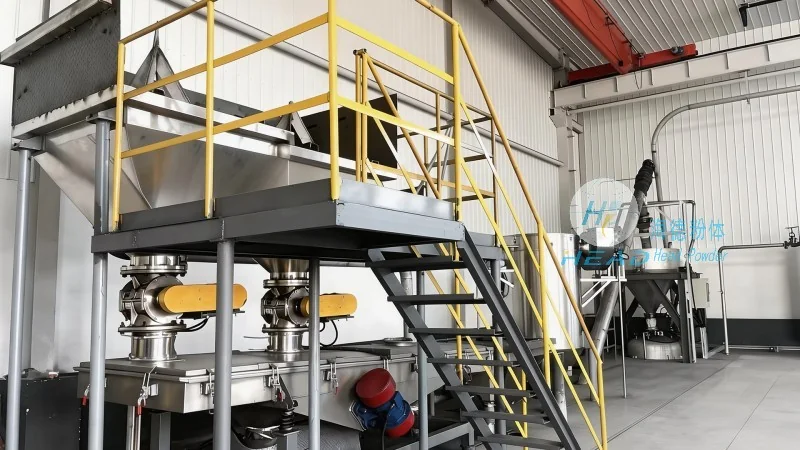
The styrene powder pneumatic conveying system typically consists of several critical components that work in tandem to transport the powder from the source to the destination. These components include the material feed hopper, the air supply system (such as a blower or compressor), the conveying line (often made of stainless steel or other corrosion-resistant materials), and the discharge equipment. Each component plays a vital role in maintaining the system's efficiency and reliability. The feed hopper is designed to store and feed the styrene powder into the conveying line, while the air supply system generates the necessary pressure or vacuum to move the material. The conveying line is engineered to withstand the pressure and temperature conditions of the styrene powder, ensuring minimal degradation and loss. The discharge equipment, such as a rotary valve or a dust collector, collects the material at the end of the line, preventing dust emissions and maintaining a clean working environment.
Operation Process of the System
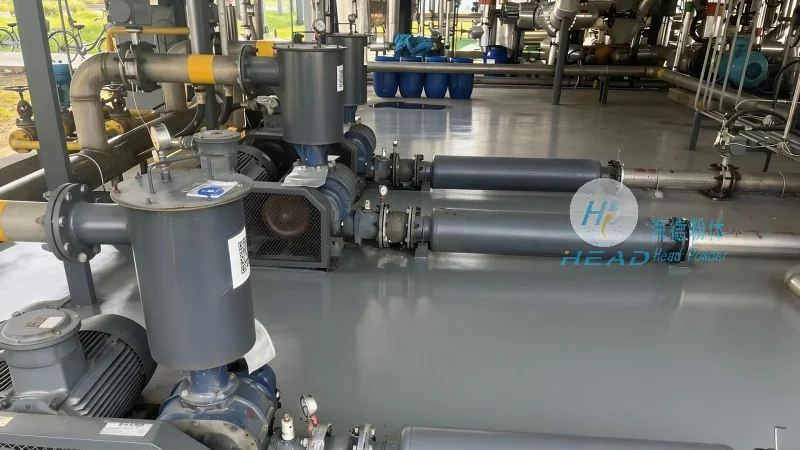
The operation of the styrene powder pneumatic conveying system involves several sequential steps that ensure smooth and continuous material transport. First, the styrene powder is loaded into the feed hopper, where it is stored until needed. The system then activates the air supply, which can operate in either positive pressure or negative pressure mode, depending on the specific application requirements. In positive pressure mode, the blower pushes air through the conveying line, creating a flow that carries the powder particles. In negative pressure mode, a vacuum is created at the discharge end, drawing the powder through the line. The feed hopper is equipped with a control mechanism, such as a rotary valve or a gate valve, that regulates the flow rate of the powder into the conveying line. This control ensures that the air-to-material ratio is maintained at an optimal level, preventing clogging or excessive pressure buildup. As the powder is conveyed, it travels through the line at a high velocity, often reaching speeds of 20-30 meters per second, depending on the system design. The conveying line may include bends or elbows, which are designed with smooth transitions to minimize friction and particle degradation. At the discharge end, the powder is collected in a receiving hopper or directly into the processing equipment. The system also includes a dust collection system, such as a cyclone or a bag filter, to capture any fine particles that may escape during the conveying process, ensuring compliance with environmental regulations and maintaining a safe working environment.
Working Principle of the Pneumatic Conveying System
The working principle of the styrene powder pneumatic conveying system is based on the fundamental concept of fluidization and suspension of solid particles in a gas stream. When air is introduced into the conveying line at a sufficient velocity, it creates a turbulent flow that suspends the styrene powder particles in the air. This suspension allows the powder to be transported as a homogeneous mixture, similar to a fluid. The key to efficient operation is maintaining the correct air-to-material ratio, which is the ratio of the volume of air to the volume of powder being conveyed. An optimal ratio ensures that the powder particles are fully suspended without causing excessive pressure drop or energy consumption. The system's design, including the size of the conveying line, the length of the line, and the number of bends, is carefully calculated to achieve the desired flow rate and pressure. The air supply system must be capable of delivering the required airflow and pressure to overcome the resistance in the line and the weight of the powder. The feed hopper and discharge equipment are designed to minimize the risk of clogging, as styrene powder can be prone to bridging or agglomeration under certain conditions. The use of anti-static materials and proper grounding in the system helps to prevent static buildup, which can cause powder accumulation and affect the conveying efficiency. Additionally, the system may include temperature control measures to prevent the styrene powder from overheating, as high temperatures can lead to degradation or polymerization of the material.
Conclusion
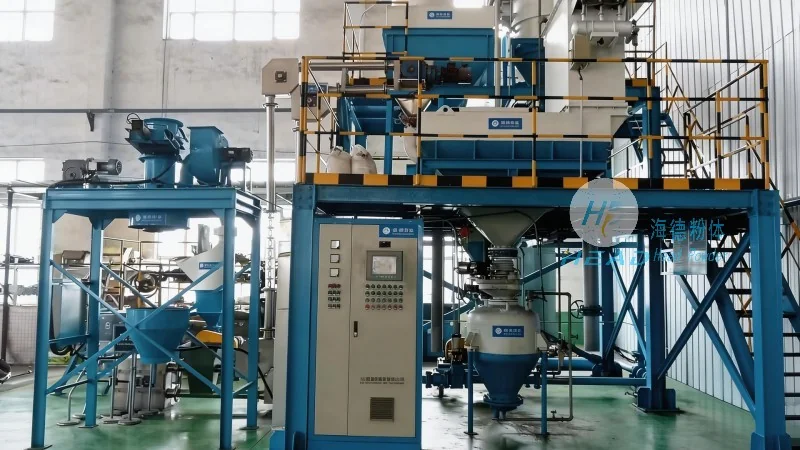
Shandong HeadPowder Engineering Co., Ltd. provides comprehensive solutions for styrene powder pneumatic conveying systems, ensuring reliable and efficient material handling for industrial applications. The operation process and working principle of the system, as described above, highlight the importance of proper component selection, system design, and operational control to achieve optimal performance. By understanding the key components, operational steps, and technical principles, users can effectively utilize these systems to enhance productivity, reduce material loss, and maintain a safe working environment. The company's expertise in engineering and manufacturing ensures that each system is tailored to meet the specific needs of the client, providing long-term reliability and cost-effectiveness.