

Operation Process and Working Principle of Biomass Pellet Material Conveying System
Understanding the operation process and working principle of biomass pellet material conveying systems is crucial for optimizing efficiency in biomass processing facilities. These systems are designed to handle biomass pellets, a renewable energy source, with precision and reliability. The following sections provide a detailed overview of how such systems function, emphasizing the key components and operational steps involved.
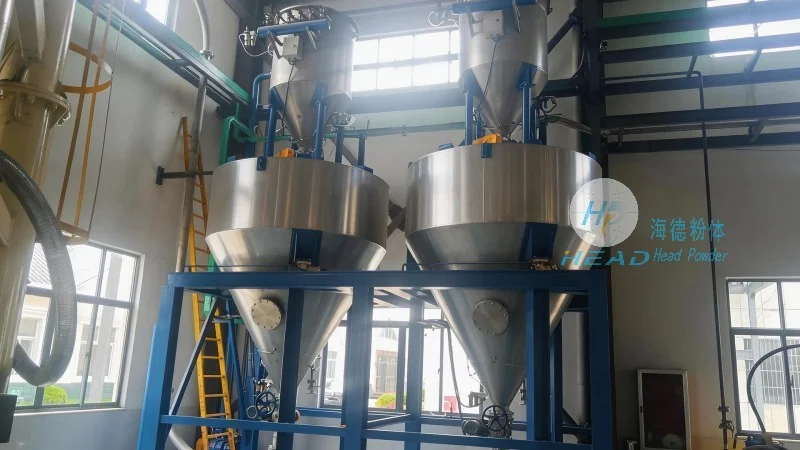
Key Components and System Architecture
Biomass pellet material conveying systems typically consist of several core components that work in tandem to ensure smooth material transport. The primary components include a hopper for material storage, a conveyor mechanism (such as a screw conveyor or belt conveyor), control systems for regulating flow, and safety features to prevent operational hazards. The system architecture is engineered to handle the unique characteristics of biomass pellets, including their density, moisture content, and potential for dust generation.
Material Handling and Storage
The process begins with the storage of biomass pellets in a hopper. The hopper is designed to accommodate large volumes of material and features a sloped bottom to facilitate gravity-fed flow. This design minimizes the need for mechanical assistance in the initial stages of material movement. The hopper is often equipped with a level indicator to monitor the material volume, ensuring that the system operates within optimal capacity ranges. Proper storage conditions, including controlled moisture levels and temperature, are essential to maintain pellet quality and prevent degradation during handling.
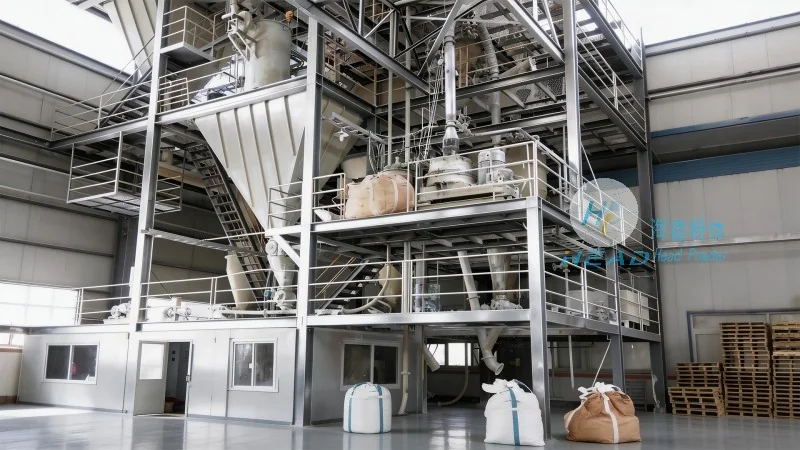
Conveying Mechanism and Flow Control
The heart of the biomass pellet conveying system is the conveying mechanism, which can vary based on the specific application and material characteristics. Common types include screw conveyors, which use rotating screws to push material forward, and belt conveyors, which utilize a moving belt to transport pellets. The choice of mechanism depends on factors such as the required conveying distance, material throughput, and space constraints. In many systems, a combination of both mechanisms is used to achieve efficient material transport over longer distances or to navigate changes in elevation.
Control Systems and Automation
Advanced control systems are integral to modern biomass pellet conveying systems, enabling precise regulation of material flow and system performance. These systems often include sensors to monitor parameters like flow rate, pressure, and temperature, providing real-time data for operational adjustments. Automation features, such as programmable logic controllers (PLCs), allow for seamless integration with other processing equipment, ensuring coordinated operation. The control systems also incorporate safety protocols, including emergency stop buttons and overload protection, to prevent accidents and equipment damage.
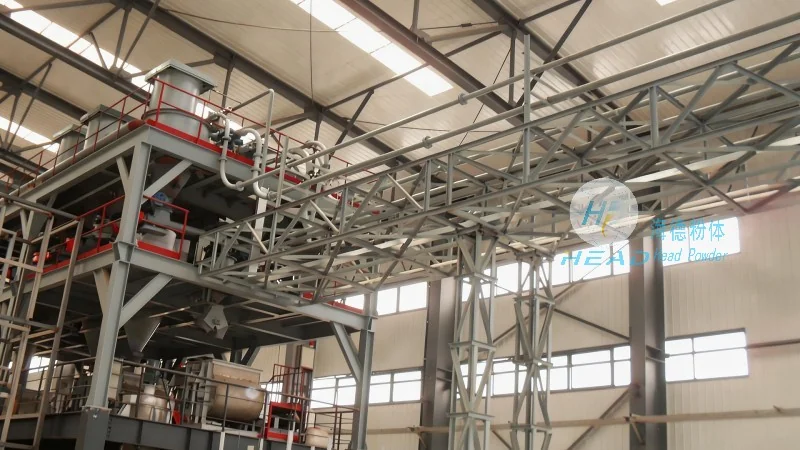
Working Principle: Step-by-Step Operation
The operation of a biomass pellet material conveying system follows a systematic sequence of steps. Initially, biomass pellets are fed into the hopper from a storage silo or processing unit. As the hopper fills, the material begins to flow under gravity towards the conveying mechanism. The conveying mechanism then transports the pellets to the next stage of processing, such as a boiler or storage silo. During this process, the system continuously monitors flow rates and adjusts the speed of the conveyor to maintain consistent throughput. The control system ensures that the material is moved efficiently without causing blockages or excessive wear on components.
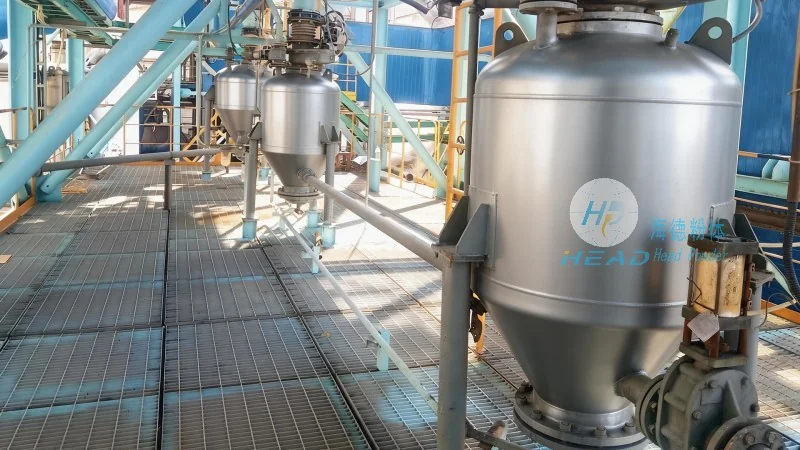
Maintenance and Operational Efficiency
To ensure long-term reliability and optimal performance, regular maintenance is essential for biomass pellet conveying systems. This includes routine checks of conveyor components, such as screw flights or belt condition, to prevent wear and tear. Lubrication of moving parts, cleaning of hopper and conveyor sections, and inspection of sensors are all critical maintenance tasks. Proper maintenance not only extends the lifespan of the equipment but also minimizes downtime and ensures consistent material handling performance. The system's design, with its robust construction and durable materials, is intended to withstand the demanding conditions of biomass processing, reducing the need for frequent repairs.
Conclusion
Biomass pellet material conveying systems play a vital role in the efficient processing and utilization of renewable energy sources. By understanding the operation process and working principle, operators can optimize system performance, enhance safety, and ensure consistent material handling. The integration of advanced control systems and robust mechanical components makes these systems reliable and efficient, supporting the growing demand for biomass energy solutions. As the industry continues to advance, the importance of well-designed conveying systems will remain paramount in achieving sustainable energy production.