

Operation Process and Working Principle of Corn Stalk Material Conveying
At Shandong HeadPowder Engineering Co., Ltd., we specialize in the design and manufacturing of efficient corn stalk material conveying systems. These systems are crucial for agricultural operations that require the transportation of corn stalks from fields to processing facilities. The process involves several key components and steps that ensure smooth and reliable material handling.
Key Components of the Conveying System
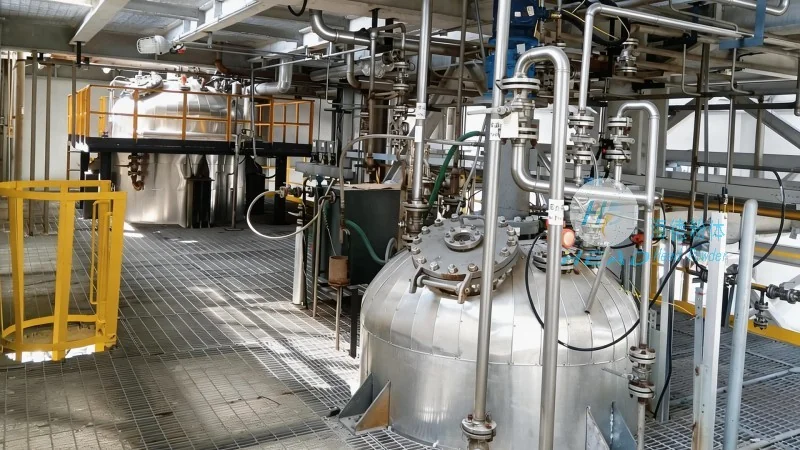
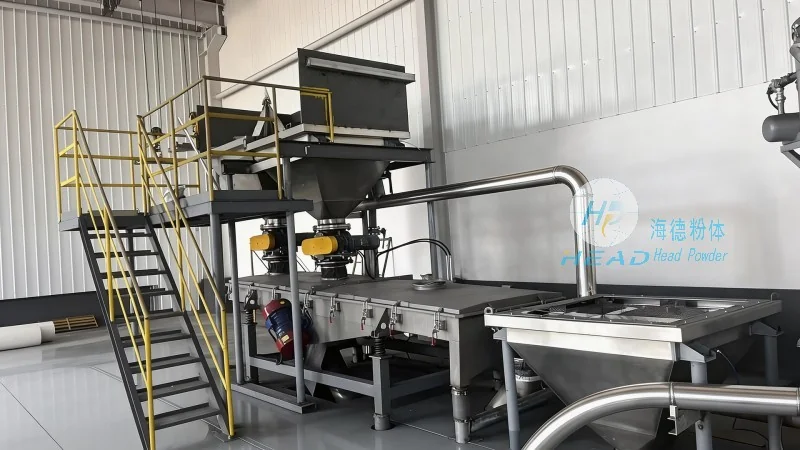
The corn stalk material conveying system typically consists of a series of interconnected parts, including feed hoppers, conveyor belts or chains, drive mechanisms, and control systems. The feed hopper is designed to collect and hold the corn stalks, while the conveyor mechanism transports them to the next stage of processing. The drive system provides the necessary power to move the material, and the control system ensures that the operation is safe and efficient.
Operation Process of Corn Stalk Material Conveying
The operation of the corn stalk material conveying system begins with the loading of corn stalks into the feed hopper. The material is then discharged from the hopper onto the conveyor belt or chain. The drive mechanism, which may be powered by electric motors or hydraulic systems, moves the conveyor at a controlled speed. As the conveyor transports the corn stalks, they are guided along the path of the system, often through a series of rollers or guides to maintain alignment. The material is then discharged at the end of the conveyor into a storage or processing area.
Working Principle of the Conveying Mechanism
The working principle of the corn stalk material conveying system is based on the principles of mechanical transport. The conveyor belt or chain is driven by a motor, which rotates the drive pulley or sprocket. This rotation causes the belt or chain to move, pulling the corn stalks along with it. The speed of the conveyor can be adjusted to control the flow rate of the material, ensuring that the system operates at optimal efficiency. The system is designed to handle the varying sizes and densities of corn stalks, providing consistent performance under different operating conditions.
Advantages of Using Corn Stalk Material Conveying Systems
Implementing a corn stalk material conveying system offers several advantages for agricultural operations. These systems improve the efficiency of material handling by reducing the need for manual labor and minimizing the risk of damage to the corn stalks. The automated process ensures consistent and reliable transportation, which is essential for maintaining the quality of the material. Additionally, the systems are designed to be durable and low-maintenance, providing long-term value for the investment.
Application in Agricultural Processing
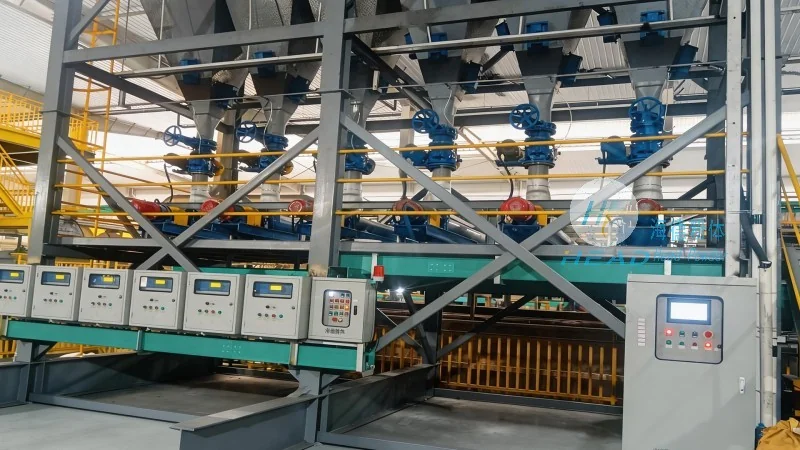
Corn stalk material conveying systems are widely used in agricultural processing facilities, such as biomass power plants, animal feed production, and biofuel manufacturing. The systems are capable of handling large volumes of corn stalks, making them suitable for industrial-scale operations. By efficiently transporting the material, these systems contribute to the overall productivity of the processing plant, reducing downtime and increasing output.
Conclusion
Shandong HeadPowder Engineering Co., Ltd. provides high-quality corn stalk material conveying systems that are designed to meet the specific needs of agricultural operations. Our systems are built with precision and reliability, ensuring that they operate efficiently and effectively in various conditions. By understanding the operation process and working principle of these systems, users can make informed decisions about their material handling needs and choose the best solution for their requirements.