

Operation Process and Working Principle of Dry Mix Mortar Material Conveying
Dry mix mortar material conveying systems are essential components in the production and distribution of dry mix mortar products. These systems are designed to efficiently transport raw materials, such as cement, sand, and additives, from storage areas to processing equipment. The operation of these systems involves a series of steps that ensure consistent material flow and optimal performance in the manufacturing process. Understanding the operation process and working principle is crucial for maintaining productivity and product quality in dry mix mortar production facilities.
Key Components of Dry Mix Mortar Conveying Systems
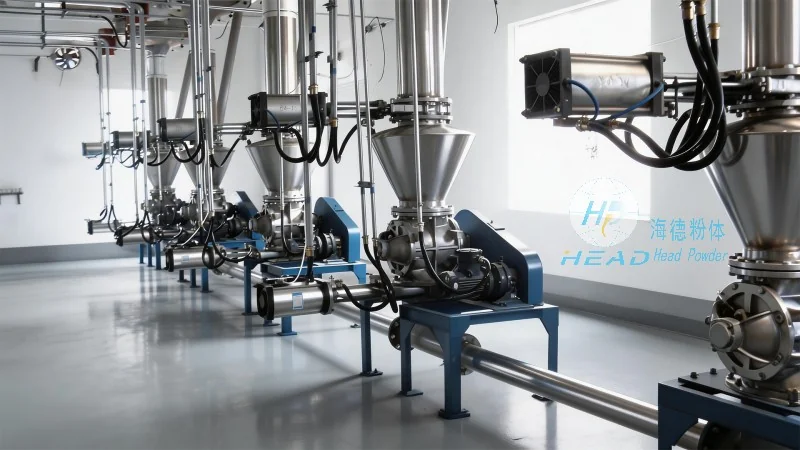
The core components of a dry mix mortar material conveying system typically include bulk material hoppers, conveyor belts or screw conveyors, dust collection systems, and control panels. Each component plays a vital role in the overall functionality of the system. The bulk material hoppers are used to store raw materials and feed them into the conveying equipment. Conveyor belts or screw conveyors then transport the materials through the system, ensuring uniform movement and preventing blockages. Dust collection systems are integrated to manage airborne particles and maintain a clean working environment. Control panels allow operators to monitor and adjust the system's parameters, such as speed and flow rate, to optimize performance.
Operation Process of Dry Mix Mortar Material Conveying
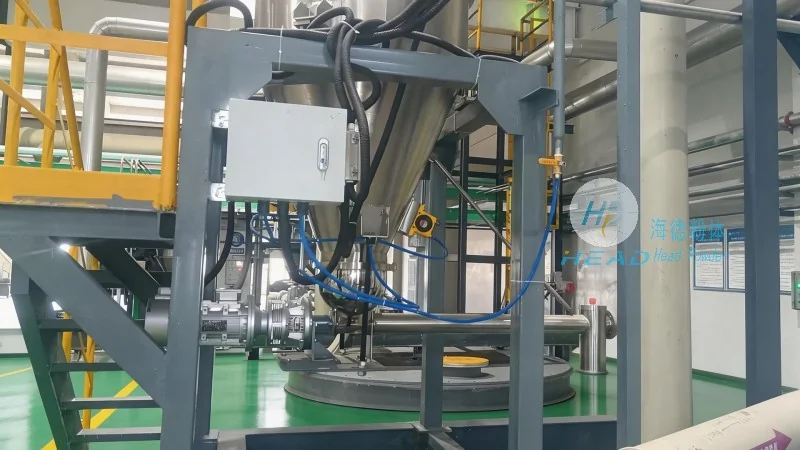
The operation process of a dry mix mortar material conveying system begins with the loading of raw materials into the bulk hoppers. Once the hoppers are filled, the conveying equipment starts to transport the materials. The materials are then mixed with other components, such as additives, in the processing equipment. The system ensures that the materials are conveyed at a consistent rate, which is critical for maintaining the quality of the final dry mix mortar product. The process involves continuous monitoring of the material flow and adjustments as needed to prevent issues like clogging or uneven distribution.
Working Principle of Dry Mix Mortar Material Conveying
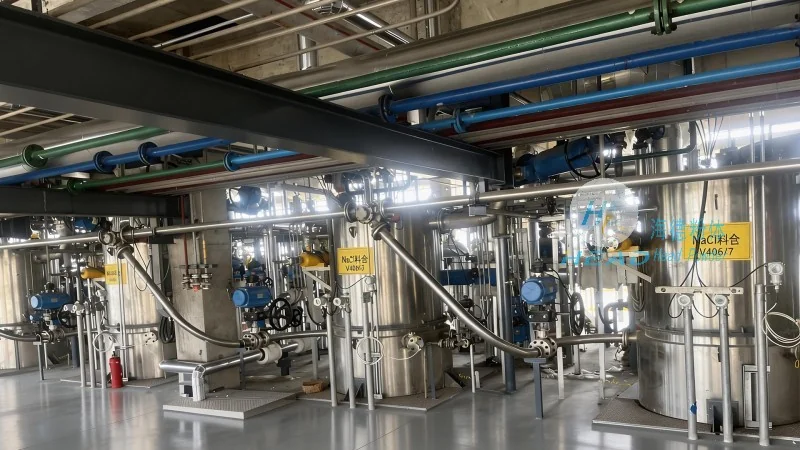
The working principle of dry mix mortar material conveying systems is based on mechanical energy to move bulk materials. Conveyor belts use friction and tension to transport materials, while screw conveyors utilize rotating screws to push materials forward. The system's design ensures that the materials are moved in a controlled manner, minimizing the risk of segregation or degradation. The integration of dust collection systems helps to maintain air quality and prevent material loss. The control panel allows for real-time adjustments to the system's speed and flow rate, ensuring that the conveying process is efficient and consistent.
Benefits of Efficient Dry Mix Mortar Material Conveying
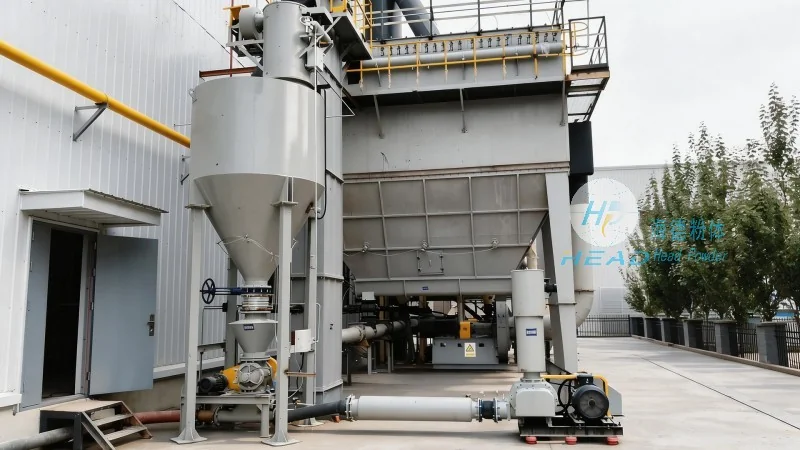
Efficient dry mix mortar material conveying systems offer several benefits to manufacturers. These include improved productivity through consistent material flow, reduced downtime due to fewer blockages, and enhanced product quality through uniform mixing. Additionally, the integration of dust collection systems helps to maintain a safe working environment and comply with environmental regulations. The ability to monitor and adjust the system in real-time allows for quick responses to any issues that may arise, minimizing production disruptions.