

Operation Process and Working Principle of Polyethylene Pellet Material Conveying
HeadPowder, a leading manufacturer in the field of material handling solutions, specializes in the design and production of efficient conveying systems for polyethylene pellets. The operation process and working principle of these systems are crucial for ensuring smooth and reliable material transport in various industrial applications. This article provides a detailed overview of how polyethylene pellet material conveying systems function, highlighting the key components and operational steps involved.
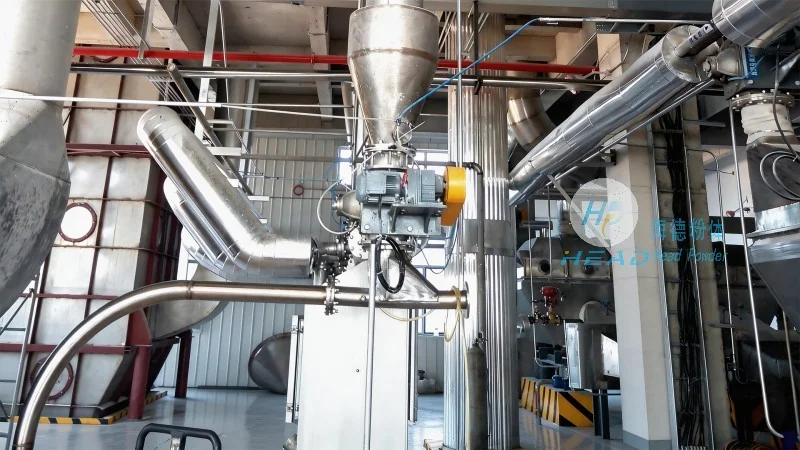
Company Profile: Shandong HeadPowder Engineering Co., Ltd.
HeadPowder, with its headquarters located in Shandong, China, is dedicated to delivering high-quality engineering solutions for material handling. As a professional company specializing in conveying equipment, HeadPowder has established itself as a trusted partner for industries requiring reliable and efficient polyethylene pellet transport solutions. The company's commitment to innovation and precision engineering ensures that its products meet the stringent demands of modern industrial operations.
Understanding Polyethylene Pellet Material Conveying
Polyethylene pellets are widely used in the production of plastics, packaging materials, and other industrial products. The efficient transport of these pellets from storage to processing units is essential for maintaining production efficiency and minimizing downtime. Conveying systems designed specifically for polyethylene pellets must address unique challenges such as material flow control, dust suppression, and the prevention of product degradation during transport.
The Operation Process of Polyethylene Pellet Conveying Systems
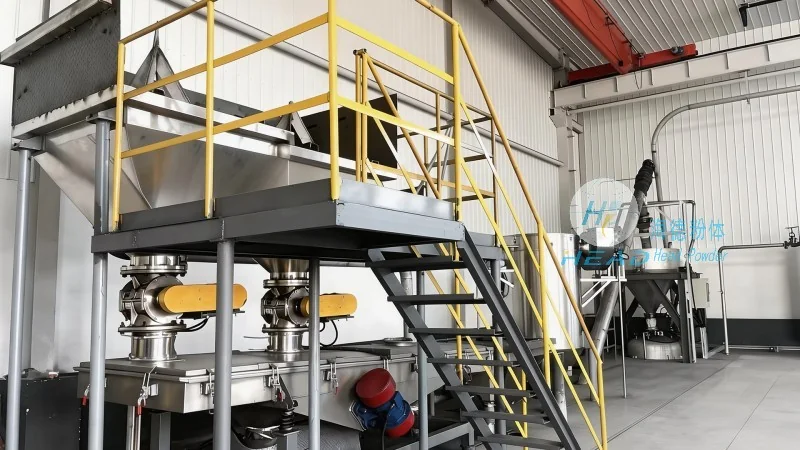
The operation process of polyethylene pellet material conveying systems typically involves several key stages. Initially, the pellets are fed into the system from a storage hopper or silo. This feeding process is carefully controlled to ensure a consistent flow rate, preventing overloading or blockages. The material then moves through a series of conveyor components, including feeders, conveyors, and possibly elevators, depending on the system's design and the vertical or horizontal distance to be covered. At each stage, sensors and control mechanisms monitor the material level, flow rate, and system performance, allowing for real-time adjustments to maintain optimal operation.
Key Components and Their Roles
Several critical components work together to ensure the smooth operation of polyethylene pellet conveying systems. The feed hopper or silo serves as the primary storage and feeding unit, providing a controlled supply of pellets to the conveyor. The feeder, often a screw or rotary valve, regulates the flow of material into the conveyor, ensuring a steady and uniform feed. The conveyor itself, which may be a belt conveyor, screw conveyor, or pneumatic conveyor, transports the pellets through the system. For vertical or inclined transport, elevators or bucket elevators are used to lift the material to higher levels. Additionally, dust collection systems and air filtration units are integrated to maintain a clean and safe working environment by capturing and filtering airborne particles.
The Working Principle of Polyethylene Pellet Conveying Systems
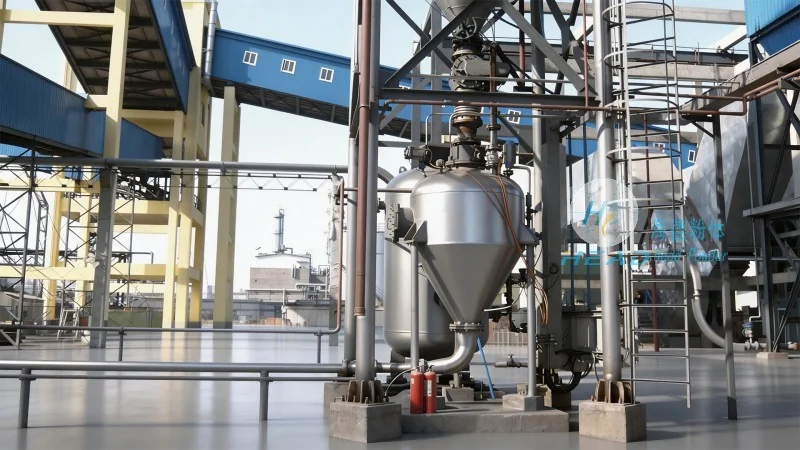
The working principle of polyethylene pellet conveying systems is based on mechanical or pneumatic forces that move the material from one location to another. In mechanical systems, such as screw or belt conveyors, the material is propelled by rotating components or moving belts. The screw conveyor, for example, uses a rotating screw to push the pellets forward, while the belt conveyor relies on a continuous belt that transports the material through friction. Pneumatic conveying systems, on the other hand, use compressed air to create a flow of air and material through a pipeline. The pellets are carried by the air stream, moving through the system until they are deposited at the discharge point. Each system type has its advantages and is selected based on factors such as the material's characteristics, the distance to be covered, and the required flow rate.
Ensuring Efficiency and Reliability
Efficiency and reliability are paramount in polyethylene pellet conveying systems. Regular maintenance and monitoring of key components, such as bearings, belts, and control systems, are essential to prevent breakdowns and ensure consistent performance. HeadPowder's expertise in designing and manufacturing these systems ensures that clients receive equipment that is not only efficient but also durable and easy to maintain. The company's focus on customer needs and technical support helps to minimize operational issues and maximize the lifespan of the conveying systems.
Conclusion
Understanding the operation process and working principle of polyethylene pellet material conveying systems is vital for optimizing industrial processes and ensuring the smooth flow of materials. HeadPowder, with its professional approach and commitment to quality, provides reliable conveying solutions that meet the specific needs of various industries. By leveraging advanced engineering and careful design, HeadPowder's systems contribute to increased productivity and reduced operational costs for its clients.