

Operation Process and Working Principle of Methylcellulose Pneumatic Conveying Lines
HeadPowder, a leading engineering firm based in Shandong, China, specializes in the design, manufacturing, and installation of advanced pneumatic conveying systems tailored for various industrial applications. This article delves into the operation process and working principle of a methylcellulose pneumatic conveying line, highlighting its efficiency, reliability, and suitability for handling fine powders like methylcellulose.
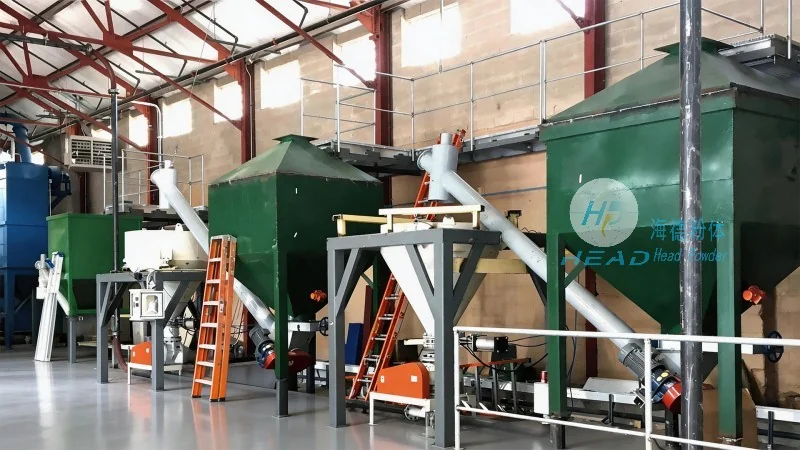
Introduction to Methylcellulose Pneumatic Conveying Systems
Methylcellulose, a non-ionic cellulose ether, is widely used in pharmaceuticals, food, and chemical industries due to its excellent film-forming, thickening, and emulsifying properties. The pneumatic conveying line is an essential equipment for transporting methylcellulose powder from storage silos to processing units. A well-designed system ensures minimal product degradation, consistent flow rates, and low maintenance costs.
Key Components of the Methylcellulose Pneumatic Conveying Line
The system typically consists of several critical components that work in tandem to achieve efficient material transport. These include a hopper for material storage, a rotary valve for controlled discharge, a venturi or airlock for creating the pressure differential, a pipeline network for conveying the material, and a receiver for collecting the product at the destination. Each component plays a vital role in maintaining the integrity of the methylcellulose powder and ensuring smooth operation.
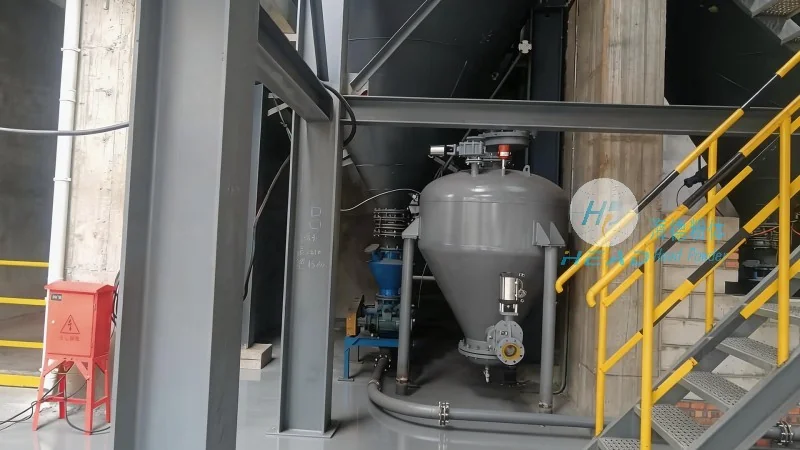
Operation Process of the Methylcellulose Pneumatic Conveying Line
The operation process of the methylcellulose pneumatic conveying line begins with the loading of the material into the storage hopper. The rotary valve then regulates the flow of powder into the conveying line, ensuring a consistent feed rate. Compressed air is introduced into the system, creating a high-velocity airflow that lifts the powder particles and propels them through the pipeline. The venturi or airlock mechanism maintains the necessary pressure differential to keep the material in suspension and prevent blockages. The powder travels through the pipeline network to the receiving hopper or processing unit, where it is discharged and collected. The entire process is automated, with sensors and control systems monitoring parameters such as pressure, flow rate, and temperature to ensure optimal performance.
Working Principle of the Methylcellulose Pneumatic Conveying Line
The working principle of the pneumatic conveying line is based on the principle of fluidization and suspension. When compressed air is introduced into the conveying line, it creates a low-density environment that allows the powder particles to become suspended in the air stream. The air velocity is maintained at a level sufficient to keep the particles in suspension, preventing them from settling or aggregating. The pressure differential between the inlet and outlet of the system drives the material forward, while the pipeline design minimizes friction losses and ensures uniform flow. The system operates under either positive pressure (pressure conveying) or negative pressure (vacuum conveying), depending on the application requirements. Positive pressure systems are commonly used for long-distance or high-capacity transport, while negative pressure systems are suitable for short-distance or dusty environments.
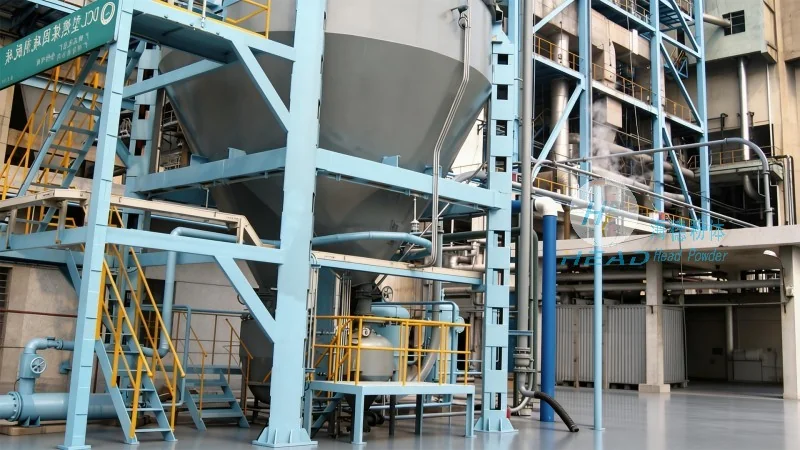
Advantages of the Methylcellulose Pneumatic Conveying Line
The methylcellulose pneumatic conveying line offers several advantages over traditional mechanical conveying methods. Firstly, it eliminates the need for moving parts in the conveying path, reducing maintenance and wear. Secondly, it prevents product contamination and degradation, as the material is not in contact with metal or other surfaces. Thirdly, it allows for precise control of flow rates and pressure, ensuring consistent product quality. Additionally, the system is compact and can be integrated into existing industrial setups, making it a cost-effective solution for various applications.
Applications and Industries Served
The methylcellulose pneumatic conveying line is widely used in industries that require the handling of fine powders. In the pharmaceutical industry, it is used to transport methylcellulose for drug formulation and packaging. In the food industry, it is employed to convey methylcellulose used as a thickening agent in food products. In the chemical industry, it is utilized for transporting methylcellulose used in coatings, adhesives, and other chemical applications. The system's ability to handle sensitive materials without degradation makes it a preferred choice for these industries.
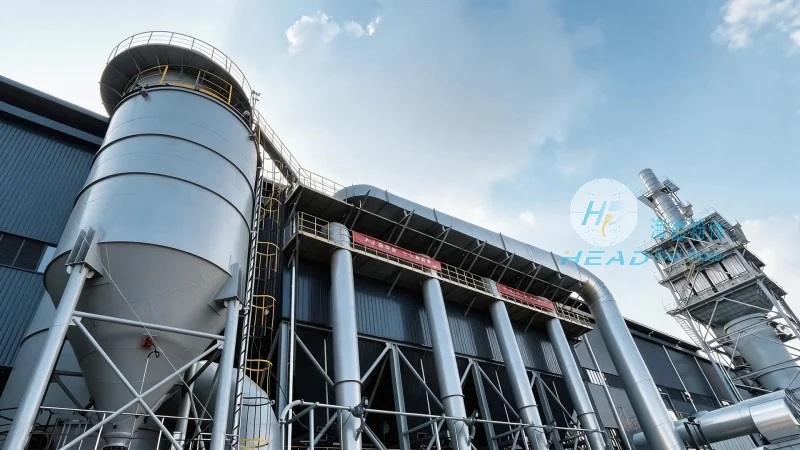
Maintenance and Operational Considerations
To ensure the long-term reliability and efficiency of the methylcellulose pneumatic conveying line, regular maintenance is essential. This includes cleaning the pipeline and components to prevent powder buildup, checking the performance of the rotary valve and airlock, and monitoring the pressure and flow rates. Proper maintenance can extend the lifespan of the equipment and reduce downtime. Additionally, operators should be trained to handle the system safely and efficiently, adhering to the manufacturer's guidelines and safety protocols.
Conclusion
The methylcellulose pneumatic conveying line is a highly efficient and reliable system for transporting fine powders like methylcellulose. With its advanced design and components, it offers numerous advantages over traditional conveying methods, making it an ideal solution for various industrial applications. HeadPowder, with its expertise in engineering and manufacturing, provides high-quality pneumatic conveying systems that meet the specific needs of its clients. By understanding the operation process and working principle of the system, industries can optimize their material handling processes and improve overall productivity.