

Principle and Working Scene Characteristics of Resin Material Pneumatic Conveying Equipment
Shandong HeadPowder Engineering Co., Ltd., a leading manufacturer based in Shandong, China, specializes in the design and production of advanced pneumatic conveying systems tailored for resin materials. This article delves into the fundamental principles behind resin material pneumatic conveying machines and highlights key working scene characteristics that define their operational efficiency and versatility.
Understanding the Core Principle of Resin Material Pneumatic Conveying
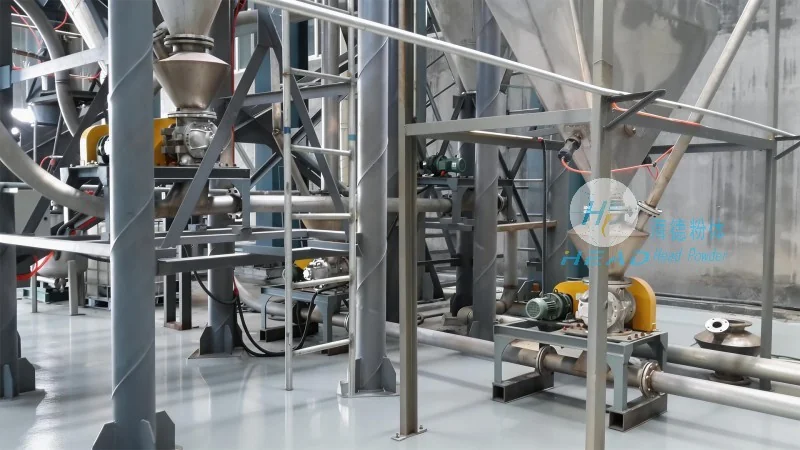
The pneumatic conveying of resin materials operates on the principle of using compressed air or gas to transport bulk materials through a pipeline system. Unlike traditional mechanical conveyors, this method eliminates the need for physical contact between the material and the conveyor components, which is particularly advantageous for resin powders that are often sensitive to abrasion or contamination. The process typically involves a hopper where the resin material is stored, a blower or compressor that generates the necessary air pressure, and a pipeline network that guides the material from the source to the destination. As the air flows through the pipeline, it entrains the resin particles, creating a dense phase or dilute phase flow depending on the system design and operational parameters. This entrainment mechanism allows for the efficient and continuous movement of resin materials over long distances, making it ideal for industrial applications where traditional methods may be impractical.
Key Working Scene Characteristics of Resin Material Pneumatic Conveying Machines
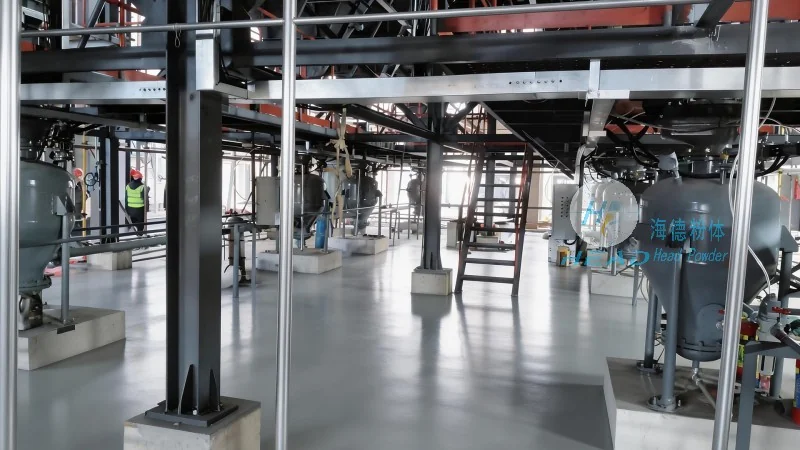
Resin material pneumatic conveying machines exhibit several distinct working scene characteristics that enhance their suitability for various industrial environments. Firstly, the system's ability to handle fine and abrasive resin powders without causing wear or degradation is a critical advantage. The absence of moving parts in direct contact with the material reduces maintenance requirements and extends the equipment's service life. Secondly, the flexibility in system configuration allows for integration with existing production lines, enabling seamless material transfer between storage, processing, and packaging stages. This adaptability is particularly valuable in manufacturing settings where space constraints or layout changes are common. Thirdly, the system's capacity to operate under different pressure and flow conditions provides versatility in handling varying resin particle sizes and bulk densities. For instance, dense phase conveying, which uses higher air pressures to maintain a more solid-like flow, is often employed for materials that are prone to segregation or bridging, ensuring consistent material quality and flow rates. Additionally, the system's ability to handle both dry and slightly moist resin materials without compromising performance makes it suitable for a wide range of applications, from raw material transport to finished product delivery.
Applications and Operational Efficiency in Diverse Industries
The working scene characteristics of resin material pneumatic conveying machines make them indispensable in several industries that rely on resin processing and material handling. In the plastics manufacturing sector, these systems are widely used to transport resin powders from storage silos to extrusion or molding machines, ensuring a continuous and controlled supply of raw materials. The ability to maintain consistent material flow rates and particle size distribution is crucial for achieving uniform product quality in extruded or molded parts. In the pharmaceutical and food industries, where material purity and contamination control are paramount, pneumatic conveying systems offer a hygienic and enclosed solution, preventing dust exposure and cross-contamination. Furthermore, the system's low maintenance requirements and energy efficiency contribute to operational cost savings, making it a preferred choice for long-term industrial applications. The adaptability of the system to different resin types, such as polyethylene, polypropylene, or epoxy resins, further enhances its utility across diverse manufacturing processes.
Conclusion: The Advantages of Resin Material Pneumatic Conveying Systems
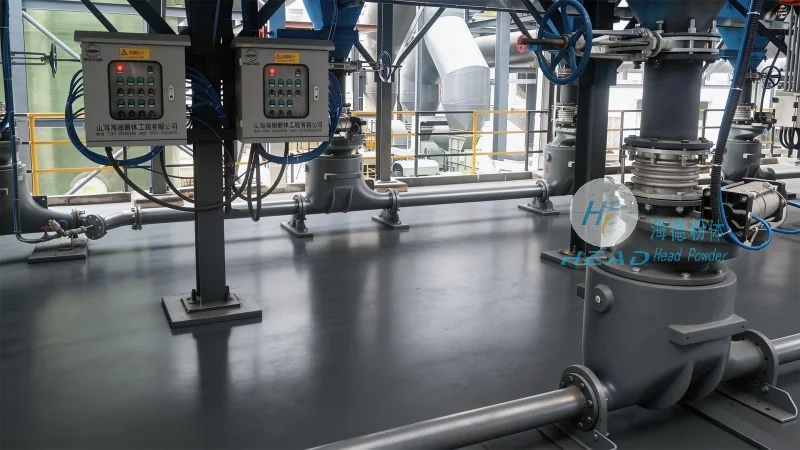
In conclusion, resin material pneumatic conveying machines, as developed by Shandong HeadPowder Engineering Co., Ltd., represent a sophisticated solution for efficient and reliable material handling in resin processing industries. By leveraging the principles of pneumatic transport and incorporating advanced working scene characteristics, these systems offer superior performance, versatility, and durability. The integration of these features ensures that resin materials are transported safely, efficiently, and with minimal risk of degradation, making them an essential component in modern industrial operations. As industries continue to demand higher productivity and quality standards, the continued development and application of such pneumatic conveying systems will remain critical for maintaining competitive advantages in resin manufacturing and processing.