

Principle and Working Scenario Characteristics of Quantitative Feeding Material Pneumatic Conveying
Quantitative feeding material pneumatic conveying lines are advanced industrial systems designed to transport bulk materials efficiently and accurately. These systems are integral to various manufacturing and processing applications, offering a reliable solution for material handling challenges. The following content explores the fundamental principles, operational mechanisms, and typical working scenarios of such lines, highlighting their importance in modern industrial operations.
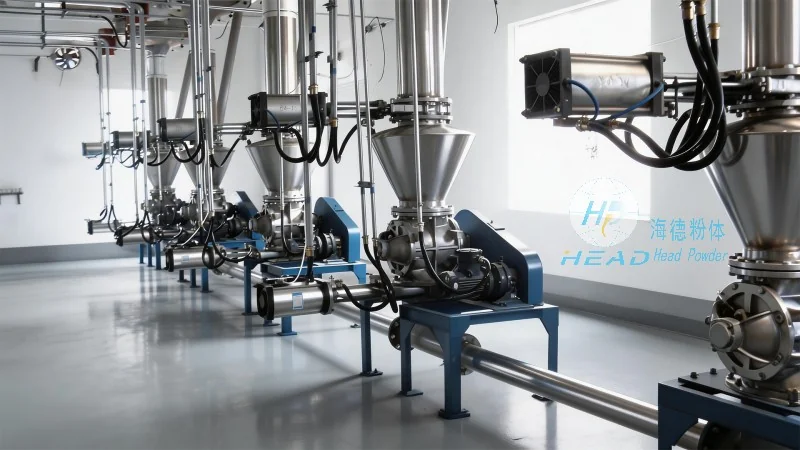
Introduction to Quantitative Feeding Material Pneumatic Conveying Lines
Quantitative feeding material pneumatic conveying lines, also known as bulk material pneumatic conveying systems, utilize air or other gases to transport dry, granular, or powdery materials from one location to another. The primary goal of these systems is to achieve precise material flow control, ensuring consistent feed rates to downstream processes. This technology is widely adopted across industries such as food processing, pharmaceuticals, chemicals, and mining, where material handling efficiency and accuracy are critical.
Key Components and Working Principle
The operation of a quantitative feeding material pneumatic conveying line relies on several key components, each playing a crucial role in the overall system performance. The main components typically include a feeding hopper, a material feeder (often a screw or rotary valve), a conveying pipeline, a vacuum or pressure source (blower or compressor), and a receiving hopper or silo. The process begins when material is introduced into the feeding hopper. The feeder then dispenses the material in controlled quantities into the conveying pipeline. The air or gas, generated by the blower or compressor, creates a flow that propels the material through the pipeline to the receiving end. The system is designed to maintain a consistent air-to-material ratio, which is essential for efficient and stable conveying. The pressure or vacuum level is carefully regulated to ensure the material moves smoothly without blockages or excessive pressure drops.
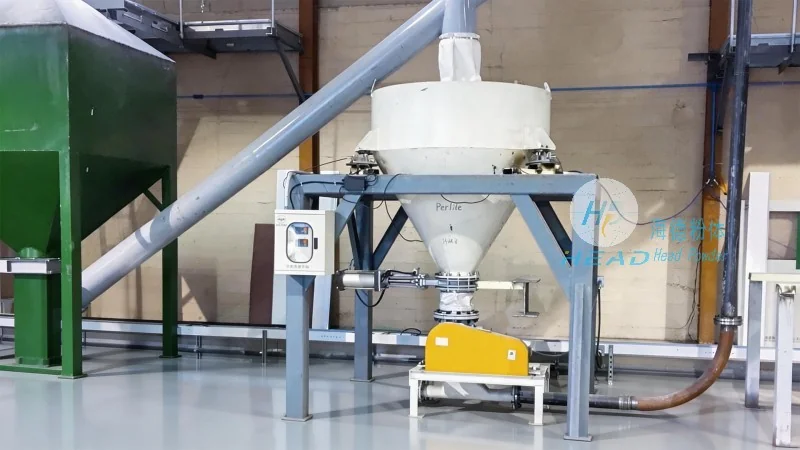
Principle of Quantitative Material Feeding
The quantitative feeding aspect of these systems is achieved through precise control of the material feeder. In many applications, a screw feeder or a rotary valve is used to meter the material at a set rate. This ensures that the material is fed into the conveying line at a consistent volume, preventing overfeeding or underfeeding. The feeder is often synchronized with the air flow, allowing for real-time adjustments to maintain the desired feed rate. This control is vital for processes that require exact material input, such as in batching operations or continuous production lines. The system may also incorporate sensors or feedback mechanisms to monitor the material level and adjust the feeder speed accordingly, enhancing overall process control and reducing material waste.
Working Scenario Characteristics
Quantitative feeding material pneumatic conveying lines are employed in diverse working scenarios, each tailored to specific operational requirements. One common scenario is in the food and beverage industry, where these systems are used to transport ingredients like flour, sugar, or spices to production lines. The precise feeding ensures that the correct proportions are added to recipes, maintaining product quality and consistency. In the pharmaceutical industry, similar systems are used to handle active pharmaceutical ingredients (APIs) and excipients, where contamination control and accurate dosing are paramount. The closed-loop design of the conveying line minimizes exposure to environmental factors, ensuring product integrity.
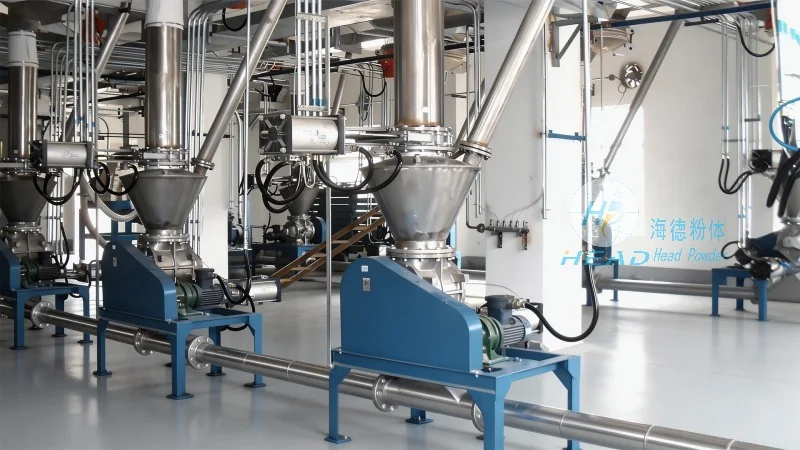
In the chemical and mining sectors, these systems are utilized for transporting raw materials like powders, granules, or ores. The ability to handle abrasive or corrosive materials is enhanced by the use of appropriate pipeline materials and wear-resistant components. The quantitative feeding feature is particularly beneficial in these industries, as it allows for controlled addition of reagents or raw materials to reactors or processing equipment. This control helps optimize reaction conditions and improve overall process efficiency. Additionally, the systems can be integrated with dust collection and filtration systems to maintain air quality and comply with environmental regulations.
Advantages and Applications
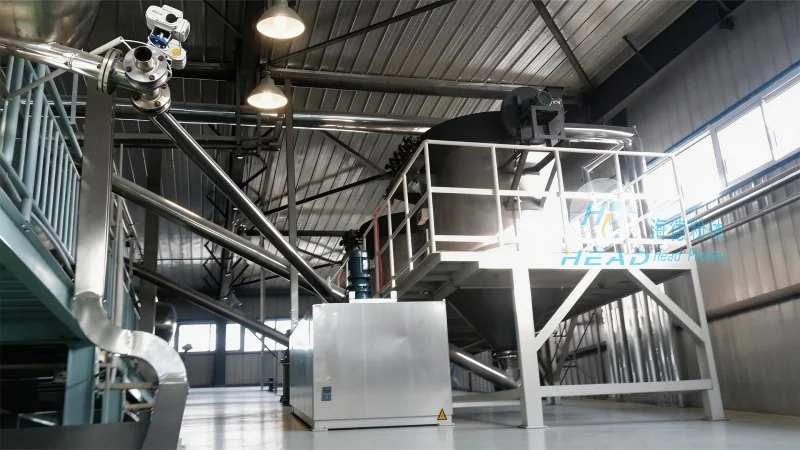
The adoption of quantitative feeding material pneumatic conveying lines offers several advantages, making them a preferred choice in many industrial applications. One of the key benefits is the ability to handle a wide range of materials, from fine powders to coarse granules, without the need for additional equipment like conveyors or elevators. This reduces the overall footprint of the system and simplifies the material handling process. The closed system design also minimizes dust emissions and contamination, improving workplace safety and product quality. Furthermore, the precise control over material flow allows for better process optimization, leading to increased productivity and reduced material waste. These systems are particularly suitable for applications requiring high throughput and consistent feed rates, such as in large-scale manufacturing or continuous production lines.
Conclusion
Quantitative feeding material pneumatic conveying lines represent a sophisticated solution for efficient and accurate bulk material handling. By integrating precise feeding mechanisms with pneumatic conveying technology, these systems address the challenges of material transport in various industrial sectors. The working scenario characteristics, such as their adaptability to different materials and operational environments, make them a versatile choice for modern manufacturing processes. As industries continue to demand higher efficiency and quality in material handling, the role of these systems is likely to expand, further solidifying their importance in industrial operations.