

Principle and Working Scene Characteristics of Lithium Iron Phosphate Material Pneumatic Conveying E
HeadPowder, a leading manufacturer based in Shandong, China, specializes in the design and production of advanced pneumatic conveying systems tailored for lithium iron phosphate (LiFePO₄) materials. These systems are engineered to efficiently handle the unique properties of LiFePO₄, a critical component in modern battery technologies. The equipment is designed to ensure safe, reliable, and efficient material transport, addressing the specific challenges associated with handling this high-value material.
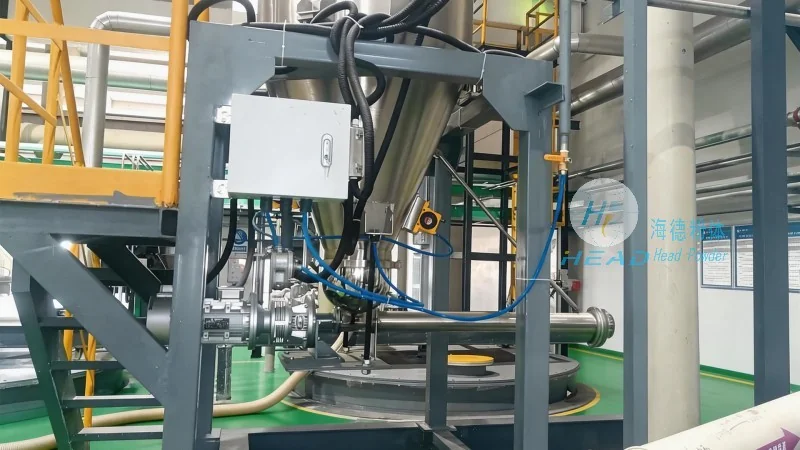
Principle of Pneumatic Conveying for Lithium Iron Phosphate
The core principle of pneumatic conveying for lithium iron phosphate involves using compressed air to transport the material through a pipeline system. The process typically operates under positive pressure, where air is forced through the material, creating a fluidized state that allows the particles to move along the pipeline. This method eliminates the need for mechanical components like screws or belts, reducing maintenance and wear. The system can be configured in various modes, including dilute phase and dense phase, depending on the material's characteristics and the required transport distance. For LiFePO₄, which is often fine and abrasive, a dilute phase system is commonly preferred to minimize particle degradation and ensure consistent flow.
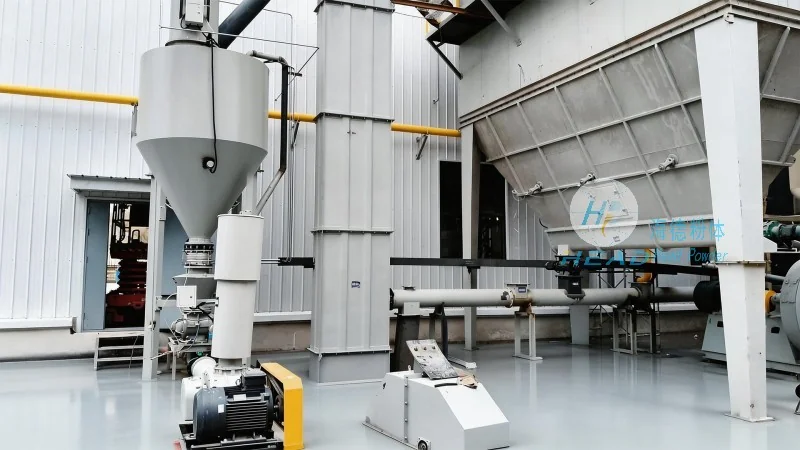
Key Components and Their Functions
The pneumatic conveying system for lithium iron phosphate consists of several key components, each playing a crucial role in the overall operation. The primary components include the material feeder, which accurately meters the LiFePO₄ into the system; the air compressor, which provides the necessary pressure and volume of air; the conveying line, which transports the material; and the receiver, where the material is deposited. The material feeder is designed to handle the fine nature of LiFePO₄, ensuring uniform feeding to prevent blockages or uneven flow. The air compressor is typically a high-efficiency model, capable of maintaining consistent pressure to avoid fluctuations that could affect material transport. The conveying line is constructed from materials resistant to corrosion and abrasion, such as stainless steel or special alloys, to withstand the chemical and physical properties of LiFePO₄. The receiver is equipped with a dust collection system to ensure environmental compliance and material recovery.
Working Scene Characteristics
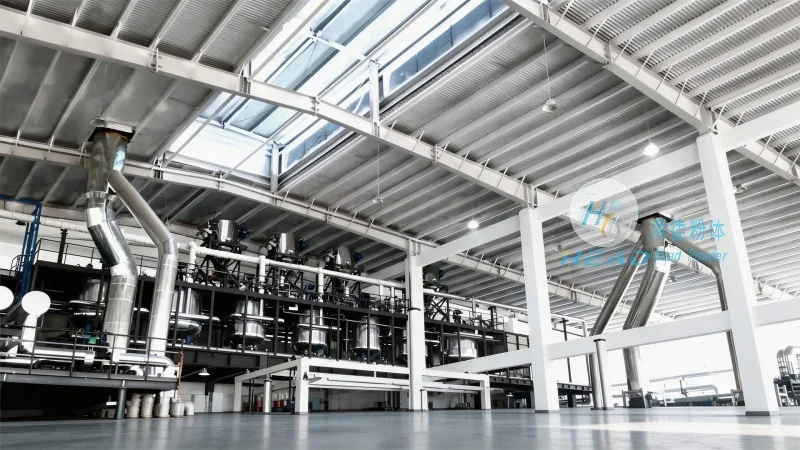
The working scene characteristics of lithium iron phosphate material pneumatic conveying equipment are tailored to the specific requirements of battery production facilities. These systems are commonly used in scenarios where LiFePO₄ needs to be transported from storage silos to mixing or processing units, or from production lines to packaging areas. The equipment is designed to operate in environments with strict cleanliness and safety standards, as LiFePO₄ is a critical raw material for high-performance batteries. The working scene typically involves high-volume material transport, often over distances of several hundred meters, with the ability to handle varying material flow rates. The system's design ensures minimal material loss and contamination, which is essential for maintaining product quality and reducing waste. Additionally, the equipment is built to withstand the operational demands of continuous production, with features like automatic control systems that monitor pressure, flow, and material levels to ensure smooth operation.
Advantages and Applications
Implementing a pneumatic conveying system for lithium iron phosphate offers several advantages over traditional mechanical methods. The primary benefit is the reduction in labor costs and maintenance, as there are fewer moving parts and less wear on components. Additionally, the system provides a more hygienic and controlled environment, which is crucial for high-purity materials like LiFePO₄. The equipment is also highly flexible, allowing for easy integration into existing production lines and modifications to accommodate changes in material flow or production capacity. In terms of applications, these systems are widely used in battery manufacturing plants, where LiFePO₄ is a key component in lithium-ion batteries. They are also suitable for material handling in research and development facilities, where precise control over material transport is required. The system's ability to handle fine and abrasive materials makes it ideal for industries where material integrity is paramount.