

Principle and Working Scene Characteristics of Alumina Hydroxide Material Pneumatic Conveying Equipm
HeadPowder, a leading manufacturer based in Shandong, China, specializes in the design and production of advanced pneumatic conveying equipment tailored for the handling of alumina hydroxide materials. This article delves into the fundamental principles behind such equipment and highlights the key characteristics of its operational scenarios, providing a comprehensive overview for industry professionals seeking efficient material transport solutions.
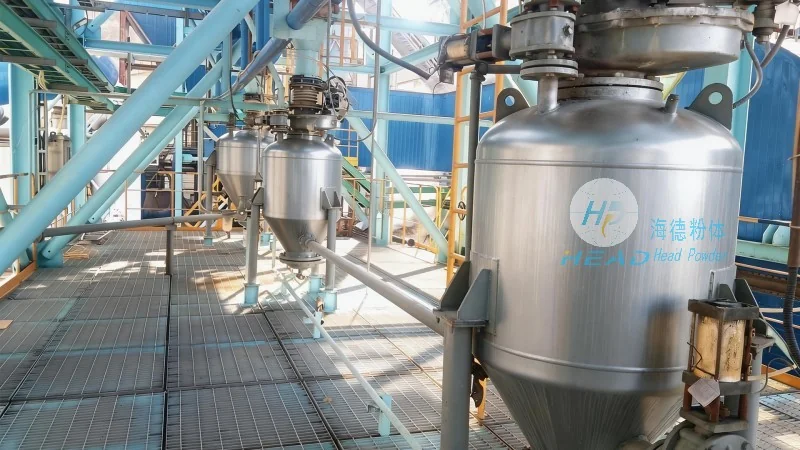
Overview of Pneumatic Conveying Technology for Alumina Hydroxide
Pneumatic conveying systems utilize air or gas as the primary medium to transport bulk materials like alumina hydroxide, offering a non-contact, low-maintenance method for material handling. The core principle involves creating a pressure differential between the conveying line and the ambient environment, which propels the material through the system. For alumina hydroxide, a commonly used material in the chemical and ceramic industries, these systems are engineered to handle its specific physical properties, such as particle size, moisture content, and flow characteristics.
Key Working Principles of the Equipment
The operation of alumina hydroxide pneumatic conveying equipment is based on several critical principles. First, the system employs a blower or compressor to generate the necessary airflow, establishing a pressure gradient that moves the material. The material is then introduced into the conveying line, often through a hopper or feeder, where it is entrained by the air stream. The design of the conveying line, including bends, expansions, and filters, is crucial to maintain material flow and prevent blockages. Additionally, the system may incorporate features like cyclone separators or bag filters to separate the material from the air and ensure efficient recovery.
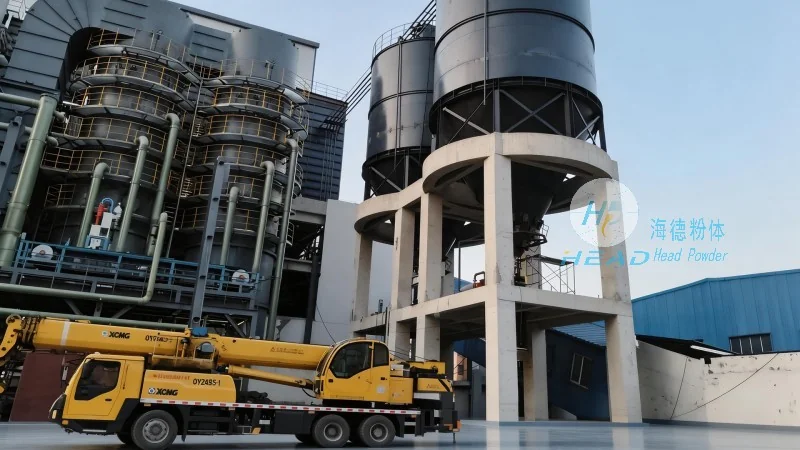
Typical Working Scene Characteristics
The operational scenarios for alumina hydroxide pneumatic conveying equipment vary based on the application and process requirements. In industrial settings, these systems are often integrated into production lines where alumina hydroxide is used as a raw material for products like ceramics, refractory materials, or chemical intermediates. The equipment is designed to handle large volumes of material with minimal downtime, ensuring smooth production continuity. For example, in a ceramic manufacturing plant, the system may transport alumina hydroxide from storage silos to mixing or grinding units, where it is processed into ceramic powders. The working environment typically involves high material throughput, requiring robust equipment capable of withstanding abrasive wear and moisture exposure.
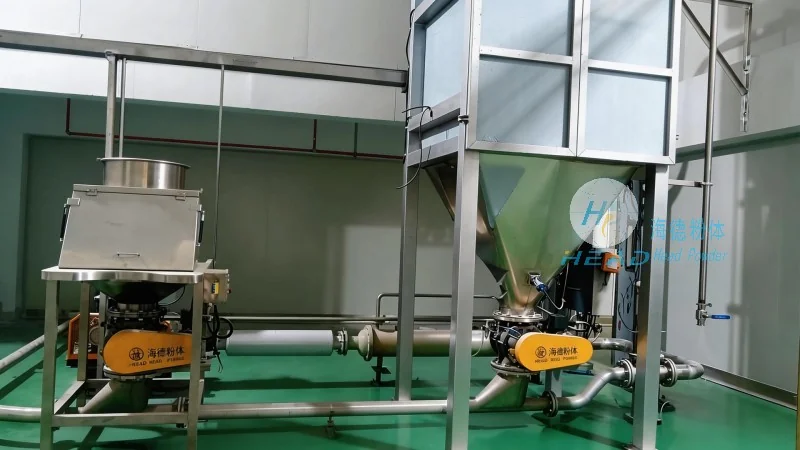
Advantages in Specific Application Environments
When deployed in environments such as chemical plants or ceramic factories, the alumina hydroxide pneumatic conveying equipment offers several advantages. Firstly, it eliminates the need for traditional mechanical conveyors, reducing the risk of material contamination and improving hygiene standards. The non-contact nature of the system also minimizes product degradation, preserving the quality of the alumina hydroxide. Furthermore, the compact design of the equipment allows for flexible installation in confined spaces, optimizing factory layouts. The system's ability to handle varying material conditions, including different moisture levels and particle sizes, makes it adaptable to diverse production needs.
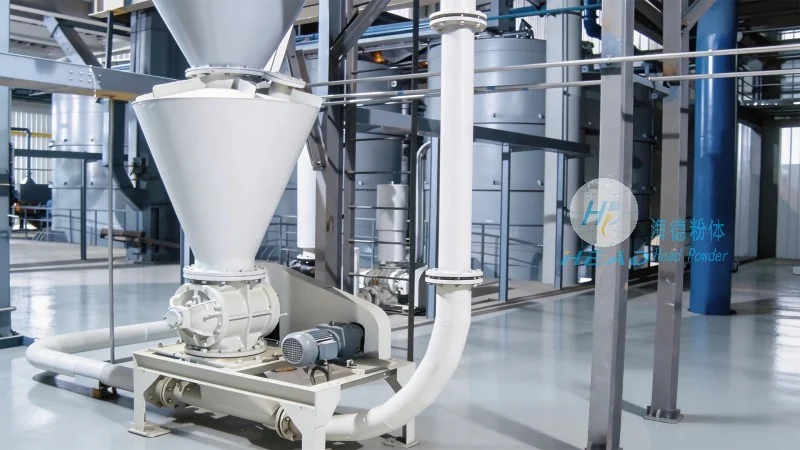
Technical Considerations for Optimal Performance
To ensure optimal performance and longevity of the alumina hydroxide pneumatic conveying equipment, several technical considerations must be addressed. Material selection for the conveying line, such as stainless steel or special alloys, is critical to resist corrosion and abrasion caused by alumina hydroxide particles. The blower or compressor must be sized appropriately to maintain the required airflow and pressure, preventing system inefficiencies. Regular maintenance, including filter cleaning and component inspections, is essential to avoid operational issues. Additionally, the system's control mechanisms, such as variable speed drives, allow for adjustments based on material flow rates, enhancing operational flexibility.
Conclusion
HeadPowder's alumina hydroxide pneumatic conveying equipment exemplifies advanced engineering tailored to the demands of modern industrial applications. By understanding the fundamental principles and operational characteristics of these systems, industries can achieve efficient, reliable, and cost-effective material transport solutions. The equipment's adaptability to various working scenarios and its ability to handle the unique properties of alumina hydroxide make it a valuable asset for manufacturers seeking to enhance their production processes.