

Principle and Working Scene Characteristics of a Pneumatic Conveying System for Coke and Limestone P
HeadPowder, a leading engineering company based in Shandong, China, specializes in the design and implementation of advanced pneumatic conveying systems tailored for industrial applications involving coke and limestone powder materials. This article explores the fundamental principles underlying such systems and highlights the specific operational characteristics and application scenarios where these systems excel.
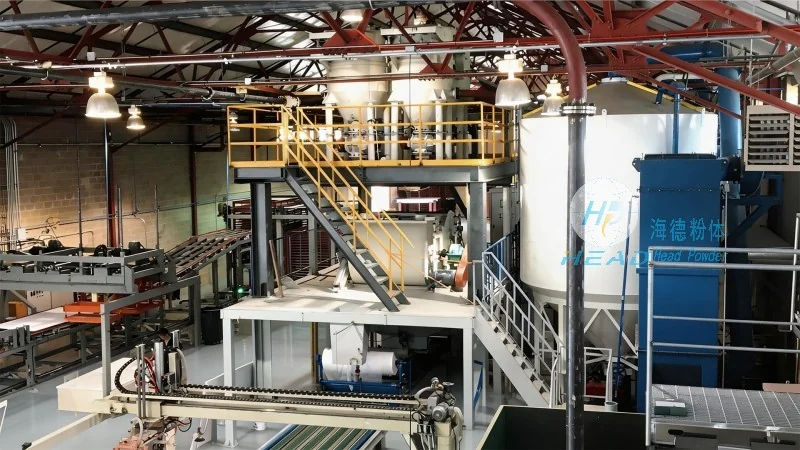
Understanding the Core Principle of Pneumatic Conveying Systems
Pneumatic conveying systems operate on the principle of transporting bulk materials, such as coke and limestone powder, through a pipeline using a moving gas stream, typically air or a combination of air and other gases. The system utilizes a combination of pressure or vacuum to move the material from the source to the destination. In the case of coke and limestone powder, these materials are often used in industrial processes like steel production, cement manufacturing, and chemical processing, where efficient and reliable material handling is critical. The system's design must account for the physical properties of the powder, including particle size, density, and moisture content, to ensure optimal performance and minimize operational issues like blockages or material degradation.
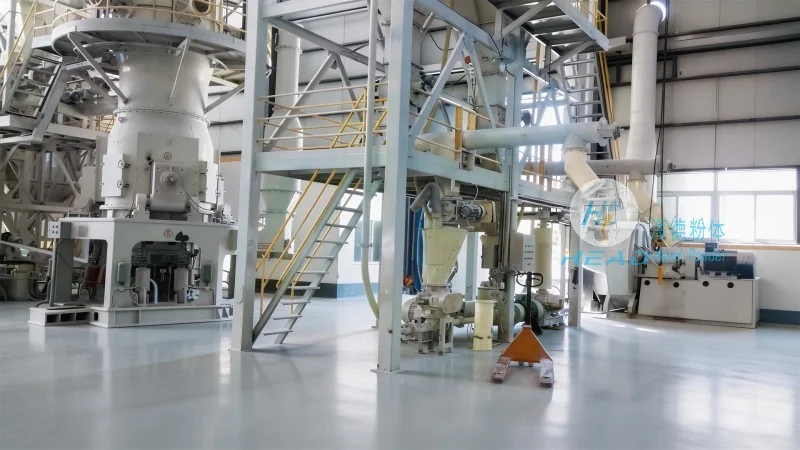
Key Components and Their Functions in the System
The pneumatic conveying system for coke and limestone powder typically consists of several key components, each playing a crucial role in the material transport process. These components include the material feed hopper, which stores and feeds the powder into the system; the air supply unit, which generates the necessary air pressure or vacuum; the conveying line, which is the main pipeline through which the material travels; and the discharge unit, which delivers the material to the final destination. Additionally, the system may include accessories like cyclone separators, filters, and pressure regulators to ensure efficient separation of the conveyed material from the air stream and maintain consistent system performance.
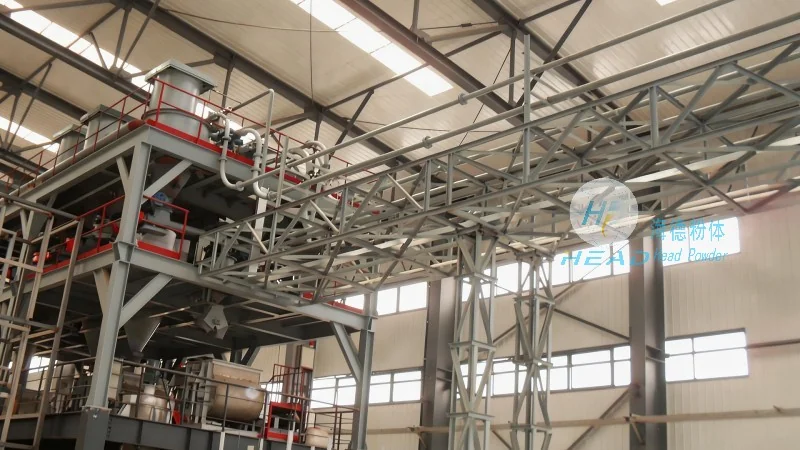
Working Scene Characteristics and Application Scenarios
The working scene characteristics of a pneumatic conveying system for coke and limestone powder are defined by the specific industrial environments where it is deployed. These systems are commonly used in large-scale industrial plants where the handling of bulk powders is essential for production continuity. For instance, in steel mills, coke is a critical fuel and reducing agent, and efficient transport from storage to the blast furnace is vital. Similarly, in cement plants, limestone powder is a primary raw material, and reliable pneumatic conveying ensures a steady supply to the kilns. The system's design must consider factors such as the distance between the source and destination, the required material flow rate, and the environmental conditions of the plant to optimize performance. Moreover, the system's ability to handle abrasive materials like coke and limestone powder without causing excessive wear to the pipeline and components is a key consideration in its operational characteristics.
Advantages and Operational Benefits
Implementing a pneumatic conveying system for coke and limestone powder offers several advantages over traditional material handling methods, such as belt conveyors or bucket elevators. One of the primary benefits is the ability to transport materials in a closed system, which minimizes dust emissions and improves workplace safety. This is particularly important for handling fine powders like coke and limestone, which can be hazardous if released into the air. Additionally, pneumatic conveying systems can handle materials with varying particle sizes and moisture content, making them versatile for different industrial applications. The system's compact design and flexibility in layout also contribute to its operational benefits, as it can be easily integrated into existing plant infrastructure without significant modifications.
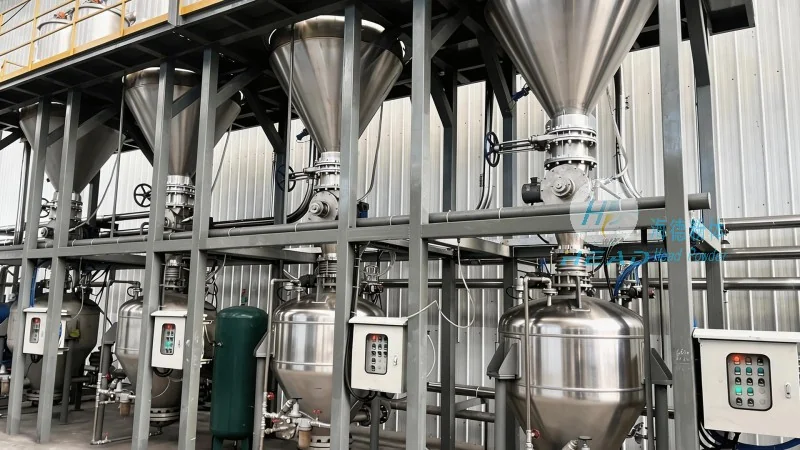
Conclusion: The Role of HeadPowder in Advanced Material Handling Solutions
HeadPowder Engineering Co., Ltd., with its headquarters in Shandong, China, is at the forefront of developing and implementing advanced pneumatic conveying systems for coke and limestone powder applications. By leveraging their expertise in material handling engineering, the company ensures that their systems are tailored to meet the specific needs of industrial clients, providing reliable, efficient, and safe material transport solutions. The principles and characteristics discussed in this article underscore the importance of specialized engineering in designing effective pneumatic conveying systems, and HeadPowder's commitment to innovation and quality positions them as a trusted partner in the industry.