

Principle and Working Scene Characteristics of Pneumatic Conveying Systems for Refractory Material P
Refined and efficient material handling is a critical aspect of modern industrial operations, particularly in sectors dealing with refractory materials. The pneumatic conveying system stands out as a sophisticated solution for transporting these materials with precision and reliability. This article delves into the fundamental principles behind such systems and explores the distinct characteristics of their operational environments.
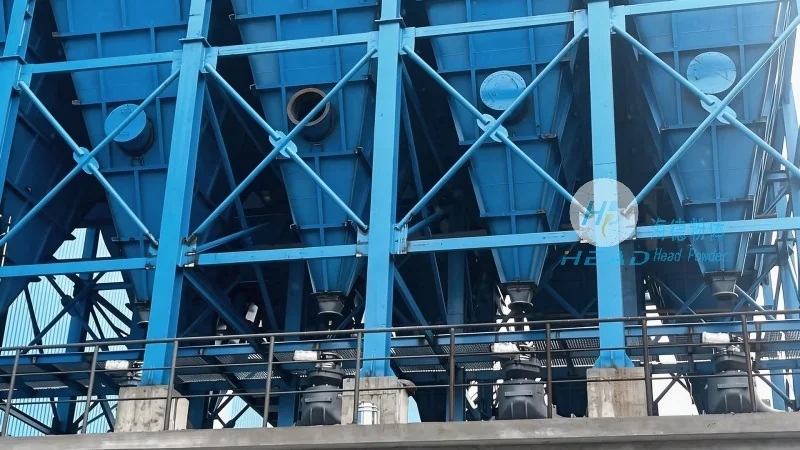
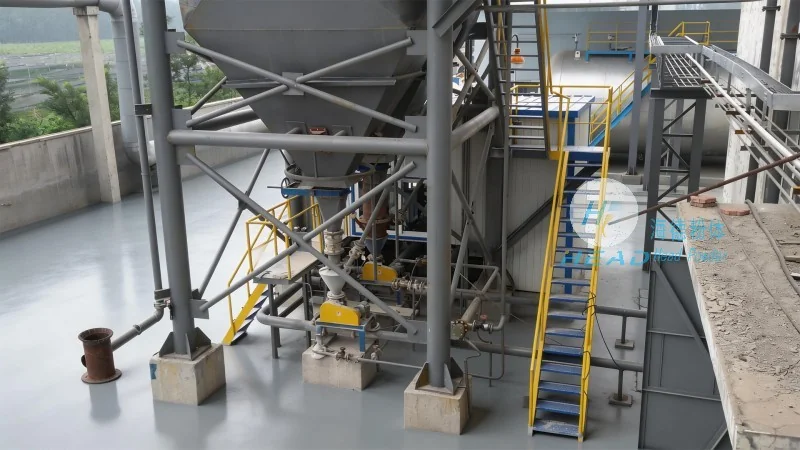
Principle of Pneumatic Conveying Systems for Refractory Materials
The core principle of a pneumatic conveying system involves the use of air or gas to transport bulk materials, such as refractory powders, through a pipeline. This method can be categorized into two main types: pressure conveying and vacuum conveying. In pressure systems, compressed air is introduced at the material feed point, creating a pressure differential that propels the material forward. Conversely, vacuum systems utilize a vacuum pump to draw material from the source into the pipeline. For refractory materials, which often require gentle handling to prevent agglomeration or degradation, pressure systems are commonly preferred due to their ability to control flow rates and pressure levels more effectively. The system typically comprises components like a hopper, feeder, conveying line, and a receiver, all working in tandem to ensure seamless material transfer. The selection of the appropriate conveying type and system design is crucial, as it directly impacts the efficiency, material integrity, and overall operational costs.
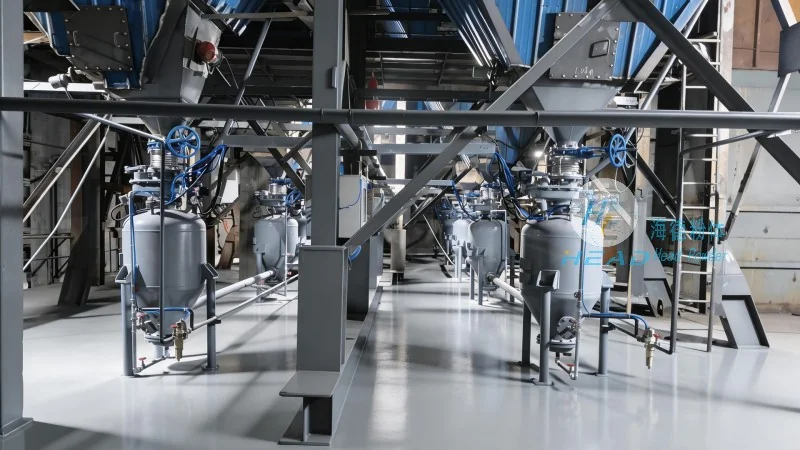
Working Scene Characteristics of Pneumatic Conveying Systems
The operational environment of a pneumatic conveying system for refractory materials is characterized by several key factors that influence system performance and maintenance. Firstly, the material properties play a significant role. Refractory powders are often fine, abrasive, and may have varying moisture content, which can affect flow behavior and pipeline wear. Therefore, the system design must account for these characteristics, such as using appropriate hopper designs to prevent material bridging and ensuring the conveying line is constructed from corrosion-resistant materials to withstand abrasive particles. Secondly, the scale and layout of the production facility impact the system's configuration. In large-scale industrial settings, the conveying system may need to cover considerable distances and handle high material volumes, requiring robust components and possibly multiple stages of conveying. Additionally, the integration of the system with other production processes, such as mixing, drying, or packaging, is essential for a streamlined workflow. The working environment also includes considerations for dust control and safety, as refractory materials can generate airborne particles that require proper ventilation and filtration to maintain a safe working atmosphere. Overall, the working scene characteristics highlight the need for a customized approach to system design, ensuring that the equipment is tailored to the specific demands of the refractory material handling process.
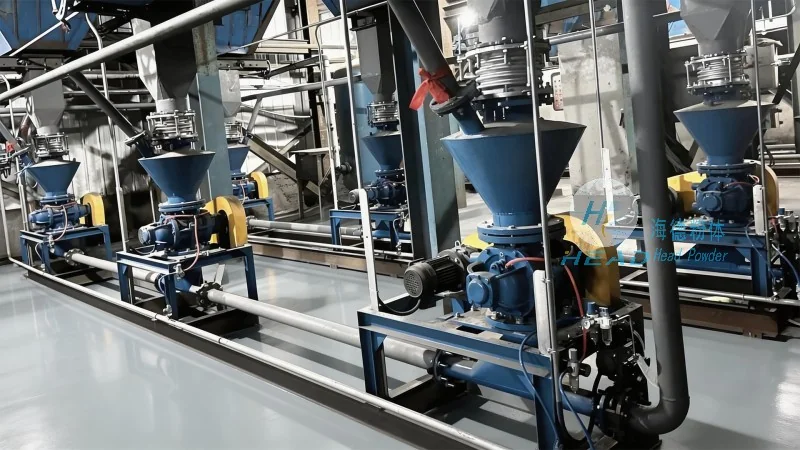
About Shandong HeadPowder Engineering Co., Ltd.
HeadPowder, a leading provider of engineering solutions for material handling, specializes in the design, manufacturing, and installation of pneumatic conveying systems tailored for refractory materials. With a strong presence in the industry, the company is committed to delivering high-quality, reliable systems that meet the unique requirements of its clients. HeadPowder operates from Shandong, China, leveraging its expertise and local resources to serve a diverse range of industrial applications. The company's focus on innovation and customer-centric solutions has established it as a trusted partner in the refractory material processing sector. By combining advanced technology with practical application knowledge, HeadPowder ensures that its systems not only enhance operational efficiency but also contribute to the longevity and performance of the materials being handled.