

Principles and Working Scene Characteristics of Pneumatic Conveying for Salt Materials
HeadPowder, a leading provider in the field of material handling solutions, specializes in advanced pneumatic conveying systems tailored for various industrial applications. This article delves into the fundamental principles of pneumatic conveying technology and highlights the key characteristics of its application scenarios, particularly focusing on the handling of salt materials. By understanding these aspects, industries can optimize their material transport processes, enhance operational efficiency, and ensure safe and reliable handling of bulk materials.

Understanding Pneumatic Conveying Principles for Salt Materials
Pneumatic conveying, also known as air conveying, is a method of transporting bulk materials through a pipeline using a stream of air. The core principle involves creating a pressure differential within the system to move the material from the source to the destination. For salt materials, this technology leverages the ability to suspend particles in a moving air stream, allowing for efficient and continuous transport. The system typically consists of a blower, a hopper for material storage, a conveying line, and a receiver for the discharged material. The choice of conveying type—such as pressure or vacuum systems—depends on the specific requirements of the application, including the distance, material characteristics, and environmental constraints. In the case of salt, which is often granular and has relatively low moisture content, pneumatic conveying offers advantages over traditional methods like belt conveyors or bucket elevators, particularly in terms of hygiene and contamination control.
Key Working Scene Characteristics of Pneumatic Conveying for Salt Handling
The application of pneumatic conveying for salt materials is characterized by several distinct features that make it suitable for specific industrial environments. One of the primary characteristics is the ability to handle large volumes of material with minimal space requirements. Unlike traditional bulk handling equipment, pneumatic systems can transport salt over long distances without the need for extensive infrastructure, making them ideal for large-scale operations such as salt mines, processing plants, and storage facilities. Another key characteristic is the flexibility in system design, allowing for integration with existing production lines or the creation of custom solutions to meet unique operational needs. For example, in a salt processing plant, a pneumatic conveying system can be configured to transport raw salt from storage silos to processing equipment, and then to packaging lines, all within a single, integrated network. This integration enhances workflow efficiency and reduces the risk of material loss or contamination during transfer.

Operational Advantages and Safety Considerations in Salt Material Conveying
When implementing pneumatic conveying systems for salt materials, several operational advantages become evident. These include improved hygiene and cleanliness, as the enclosed system prevents dust and particles from escaping into the environment, which is critical in food processing or pharmaceutical applications where salt is used. Additionally, the system offers better control over material flow, allowing for precise dosing and regulation of the conveyed material. This is particularly beneficial in processes where consistent material quality is essential, such as in the production of salt-based products or in industrial applications where salt is used as a raw material. From a safety perspective, pneumatic conveying reduces the risk of manual handling of bulk materials, minimizing the potential for accidents and injuries. The enclosed system also helps in controlling dust exposure, which is a significant health hazard in many industrial settings. Furthermore, the system's ability to operate under pressure or vacuum allows for safe handling of materials that may be sensitive to moisture or air exposure, ensuring that the salt remains in its optimal condition throughout the conveying process.
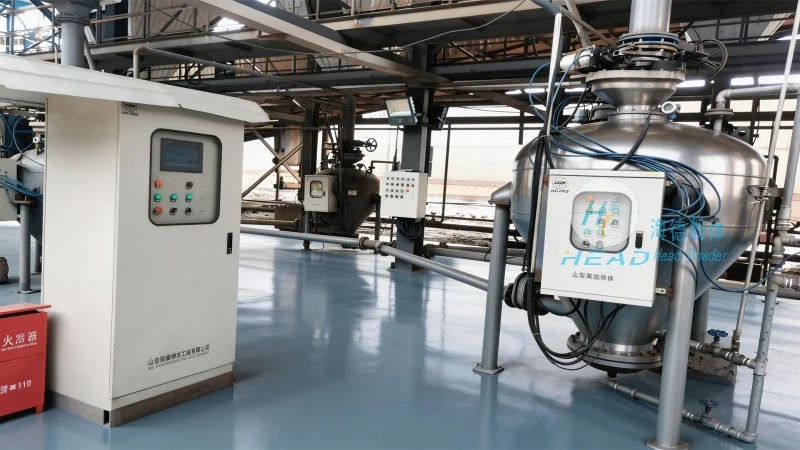
Customization and Scalability for Diverse Salt Handling Needs
HeadPowder Engineering Co., Ltd., based in Shandong, China, specializes in designing and manufacturing customized pneumatic conveying solutions tailored to the specific needs of salt handling operations. The company's expertise lies in understanding the unique challenges associated with salt materials, such as their granular size, density, and potential for bridging or caking in storage silos. By leveraging advanced engineering and material science, HeadPowder develops systems that address these challenges effectively. For instance, the company may incorporate features like vibration systems or air knives to prevent material buildup and ensure smooth flow within the conveying line. The scalability of the systems is another key advantage, as they can be designed to handle small-scale operations as well as large industrial plants. This flexibility allows clients to start with a basic system and expand it as their production needs grow, ensuring a cost-effective and adaptable solution. The company's commitment to quality and innovation ensures that their pneumatic conveying systems not only meet current industry standards but also provide long-term reliability and performance, supporting the sustainable growth of their clients' operations.
Conclusion: Enhancing Efficiency and Reliability in Salt Material Transport
In conclusion, pneumatic conveying technology offers a highly effective and efficient method for transporting salt materials in various industrial applications. By understanding the fundamental principles of this technology and leveraging its key characteristics, industries can optimize their material handling processes, improve operational efficiency, and ensure the safe and reliable transport of bulk materials. HeadPowder Engineering Co., Ltd., with its expertise and customized solutions, plays a crucial role in helping clients achieve these goals, providing advanced pneumatic conveying systems that meet the specific demands of salt handling operations. As the demand for efficient and sustainable material transport solutions continues to grow, pneumatic conveying remains a vital technology in the industry, and companies like HeadPowder are at the forefront of developing innovative solutions to meet these evolving needs.