

Principles and Application Scenarios of Bean Material Pneumatic Conveying
Bean material pneumatic conveying is a critical process in the agricultural and food processing industries, particularly for handling legume products like beans. This technology efficiently transports bulk materials through a pipeline using air pressure or vacuum, offering advantages such as reduced contamination, improved hygiene, and enhanced operational flexibility. Understanding the principles behind this system and its practical applications is essential for optimizing material handling in various industrial settings.
The Core Principles of Pneumatic Conveying Systems
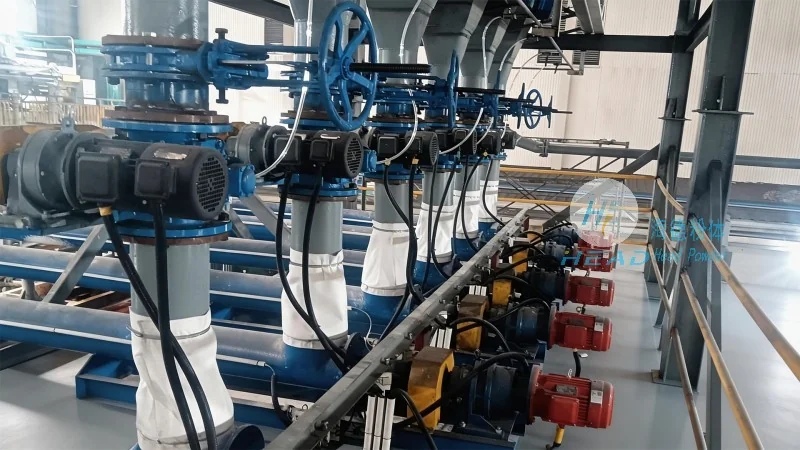
At the heart of bean material pneumatic conveying is the use of air as the conveying medium. The system typically operates on two main principles: pressure and vacuum. In pressure systems, compressed air is used to push the material through the pipeline, while vacuum systems create a negative pressure to draw the material from the source. For bean materials, which often require gentle handling to preserve their quality and texture, the choice of system (e.g., dilute-phase or dense-phase) is crucial. Dilute-phase systems use low air-to-material ratios, suitable for light materials like beans, while dense-phase systems employ higher air-to-material ratios, ideal for handling heavier or more abrasive products. The design of the system, including the type of air nozzles, pipeline diameter, and material feed mechanisms, directly impacts the efficiency and effectiveness of the conveying process. For instance, headpowder, a leading provider in this field, specializes in customizing systems that match the specific characteristics of bean materials, ensuring optimal performance and minimal product degradation.
Key Features and Advantages of Bean Material Pneumatic Conveying
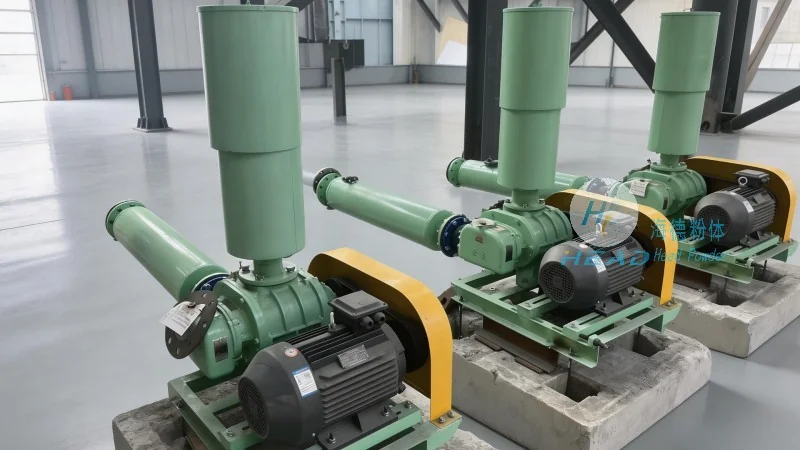
One of the primary advantages of pneumatic conveying for bean materials is its ability to maintain product integrity. Unlike mechanical systems that may cause friction or impact, pneumatic systems minimize physical stress on the beans, preserving their nutritional value, color, and overall quality. This is particularly important for products destined for human consumption or high-value applications. Additionally, pneumatic conveying systems offer superior hygiene and sanitation compared to traditional methods, as they are enclosed and can be easily cleaned and sanitized. This makes them ideal for food processing facilities that must adhere to strict regulatory standards. Another key feature is the flexibility in system layout, allowing for horizontal, vertical, or mixed-direction conveying, which can be adapted to the specific layout of a processing plant. The system's ability to handle a wide range of bean types, including different sizes, shapes, and moisture contents, further enhances its versatility. Headpowder's expertise in system design ensures that these features are integrated effectively, providing customers with reliable and efficient solutions tailored to their operational needs.
Common Application Scenarios in the Bean Processing Industry
Bean material pneumatic conveying is widely used in various stages of bean processing, from raw material reception to final product packaging. In the reception and storage phase, pneumatic systems can efficiently transport beans from storage silos or bulk containers to processing lines, reducing labor costs and improving workflow efficiency. During the cleaning and sorting process, the system can convey beans to washing and grading equipment, ensuring a consistent flow of material. In the processing phase, such as roasting or blanching, pneumatic conveying is used to transport beans to processing vessels, where they are subjected to controlled conditions. The system's ability to handle both wet and dry materials makes it suitable for post-processing steps like drying or cooling. Finally, in the packaging stage, pneumatic conveying can transport finished bean products to packaging lines, facilitating automated packaging operations. Each of these applications leverages the unique advantages of pneumatic conveying, such as gentle handling, hygiene, and flexibility, to enhance overall operational efficiency and product quality. Headpowder's systems are designed to meet the specific requirements of these scenarios, providing reliable and efficient solutions for bean processing facilities.
Customization and Integration by Shandong HeadPowder Engineering Co., Ltd.
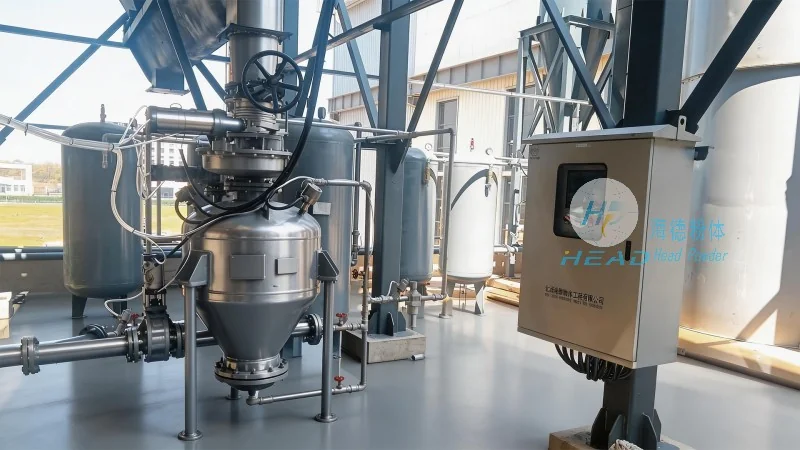
Shandong HeadPowder Engineering Co., Ltd., commonly known as headpowder, is a leading manufacturer and supplier of pneumatic conveying systems tailored for bean material handling. With a focus on innovation and customer-centric solutions, headpowder specializes in designing and manufacturing custom systems that meet the unique needs of its clients. The company's expertise lies in understanding the specific characteristics of bean materials, such as their size, density, and moisture content, and tailoring the system design accordingly. This includes selecting the appropriate air pressure, pipeline diameter, and material feed mechanisms to ensure optimal conveying performance. Headpowder's team of engineers works closely with clients to assess their operational requirements, including production capacity, space constraints, and regulatory compliance, to develop a system that maximizes efficiency and minimizes downtime. The company's commitment to quality is evident in its use of high-grade materials and rigorous testing procedures, ensuring that its systems meet or exceed industry standards. Additionally, headpowder provides comprehensive after-sales support, including maintenance services and technical assistance, to ensure the long-term reliability and performance of its systems. By partnering with headpowder, bean processing facilities can benefit from advanced technology and expert guidance, enhancing their operational capabilities and product quality.