

Principle and Working Scene Characteristics of Glass-Blasted Bead Powder Pneumatic Conveying Machine
Shandong HeadPowder Engineering Co., Ltd., a professional manufacturer based in Shandong, China, specializes in the research, development, and production of advanced pneumatic conveying equipment, particularly focusing on systems designed for glass-blasted bead powder. The company's commitment to innovation and precision engineering ensures that their products meet the highest standards in the industry.
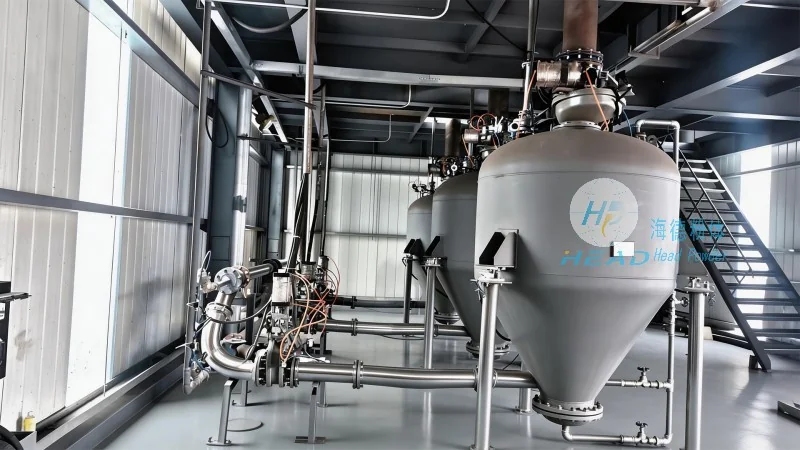
Principle of Glass-Blasted Bead Powder Pneumatic Conveying
The core principle of the glass-blasted bead powder pneumatic conveying machine lies in the use of air as the primary medium to transport dry powder materials. This system operates by creating a pressure differential between the material hopper and the discharge point. When the system is activated, a fan or blower generates a high-velocity airflow that draws the glass-blasted bead powder from the storage hopper into the conveying pipeline. The beads are then carried through the pipeline by the air stream, which ensures efficient and continuous movement without the need for mechanical components like screws or belts. The design incorporates features such as air separation and filtration to maintain the purity of the powder and prevent clogging in the system. This pneumatic approach not only enhances the efficiency of material transport but also reduces maintenance requirements compared to traditional mechanical conveying methods.
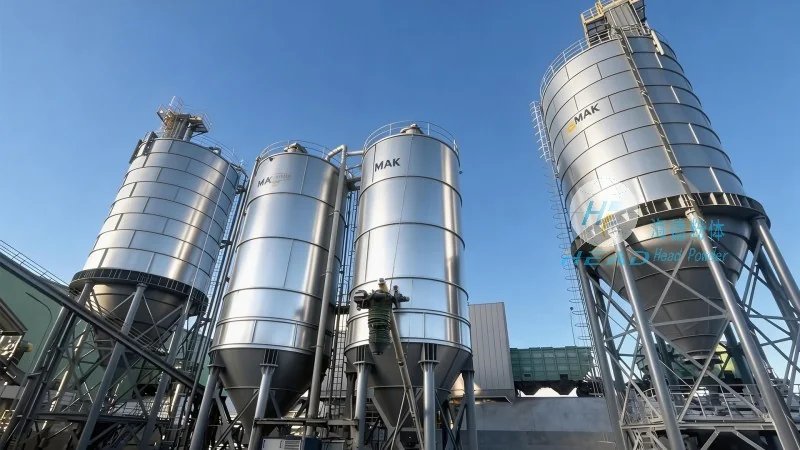
Working Scene Characteristics and Applications
The glass-blasted bead powder pneumatic conveying machine is specifically designed for applications involving the handling of lightweight, fine powders like glass-blasted beads. These beads are commonly used in construction materials, insulation products, and industrial coatings due to their lightweight and thermal insulation properties. The working scene characteristics of this equipment include high efficiency in transporting large volumes of powder over long distances, minimal material degradation during transport, and the ability to operate in environments where dust control is critical. The system is particularly suitable for industrial settings where continuous production lines require reliable and consistent material supply. For example, in a manufacturing plant producing lightweight concrete or insulation boards, the pneumatic conveying system can efficiently transport the glass-blasted beads from storage silos to production lines, ensuring a steady flow of raw materials. The design also allows for flexibility in system layout, enabling it to be integrated into existing production facilities with minimal modifications. Additionally, the equipment is engineered to handle varying particle sizes and moisture content, making it adaptable to different production requirements. The working scene typically involves a closed-loop system that maintains a controlled environment, reducing the risk of dust exposure and ensuring compliance with industrial safety standards.
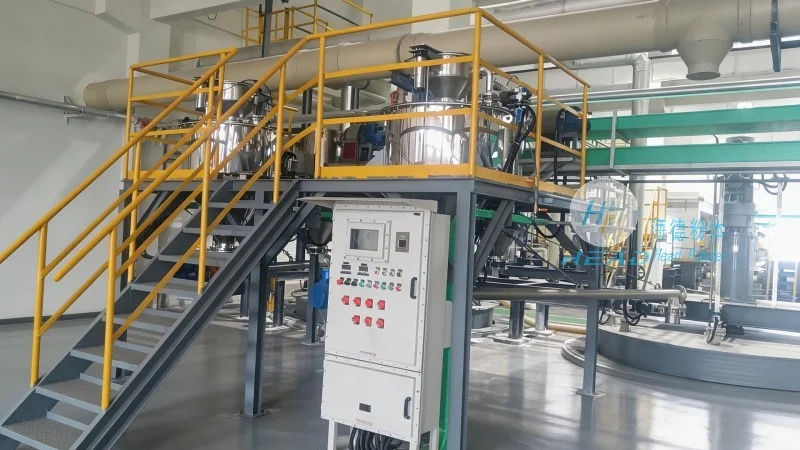
Key Features and Advantages in Practical Use
In practical applications, the glass-blasted bead powder pneumatic conveying machine offers several advantages that make it a preferred choice for industries dealing with fine powders. One of the key features is its ability to handle high volumes of material with minimal energy consumption. The system's design minimizes pressure drops along the pipeline, which contributes to lower operational costs and increased energy efficiency. Another significant advantage is the reduced risk of material contamination and degradation. The enclosed system prevents exposure to external elements, ensuring that the glass-blasted beads maintain their quality and properties throughout the conveying process. This is particularly important for applications where the powder's purity is critical, such as in the production of high-performance insulation materials. The equipment also provides flexibility in terms of system configuration, allowing for horizontal, vertical, or mixed conveying paths. This adaptability makes it suitable for various production layouts and can be scaled to meet the growing demands of a manufacturing facility. Furthermore, the system's maintenance requirements are relatively low compared to mechanical conveying systems, as there are fewer moving parts that can wear out or require replacement. This leads to lower long-term operational costs and increased system reliability. The working scene often includes integration with other production equipment, such as mixers or extruders, to form a seamless production line. The pneumatic conveying system acts as a critical link, ensuring that the glass-blasted beads are delivered to the next stage of production in a controlled and efficient manner. This integration enhances overall production efficiency and reduces downtime, which is essential for maintaining high productivity in industrial settings.