

Principle and Working Scene Characteristics of Lysine Powder Pneumatic Conveying Machine
Lysine is a crucial amino acid widely used in the animal feed and food industries. The efficient handling and transportation of lysine powder are essential for maintaining product quality and operational efficiency. Pneumatic conveying systems, particularly for powders like lysine, offer a reliable solution that minimizes product contamination and ensures smooth material flow. This article, presented by Shandong HeadPowder Engineering Co., Ltd. (headpowder), explores the fundamental principles behind lysine powder pneumatic conveying machines and highlights the key working scene characteristics that make them suitable for various industrial applications.
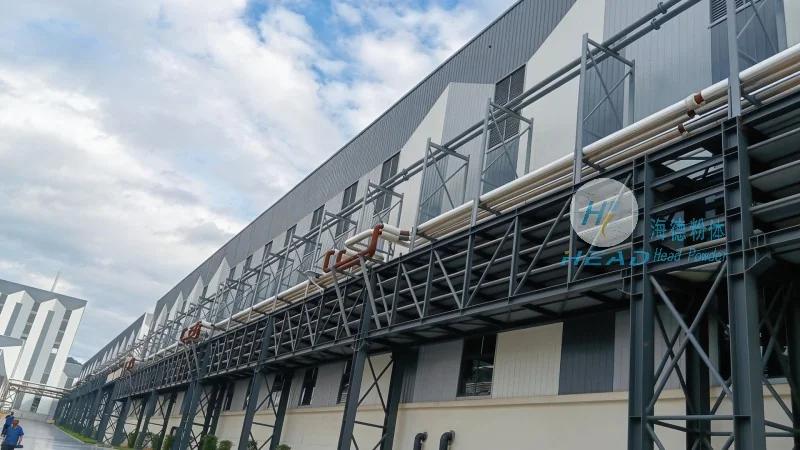
Principle of Lysine Powder Pneumatic Conveying
The core principle of a lysine powder pneumatic conveying machine is the use of compressed air to transport dry powder materials through a pipeline. The system typically consists of a hopper for material storage, a blower or compressor to generate the air flow, a conveying line, and a discharge point. As compressed air is introduced into the hopper, it creates a negative pressure or positive pressure environment that lifts the lysine powder particles and propels them through the pipeline. The air-powder mixture travels at high velocity, ensuring that the powder is transported efficiently without clogging or degradation. The design of the conveying line, including the diameter and length, is critical to maintaining the optimal air-to-powder ratio, which directly impacts the conveying efficiency and energy consumption.
Working Scene Characteristics of Lysine Powder Pneumatic Conveying Machines
The working scene characteristics of lysine powder pneumatic conveying machines are tailored to meet the specific demands of industrial environments. These characteristics include:
1. Material Handling Efficiency: The system is designed to handle large volumes of lysine powder with minimal downtime. The continuous flow of material ensures that production lines remain operational, reducing the risk of bottlenecks and delays. The ability to transport lysine powder from storage silos to processing units or packaging lines without manual intervention enhances overall operational efficiency.
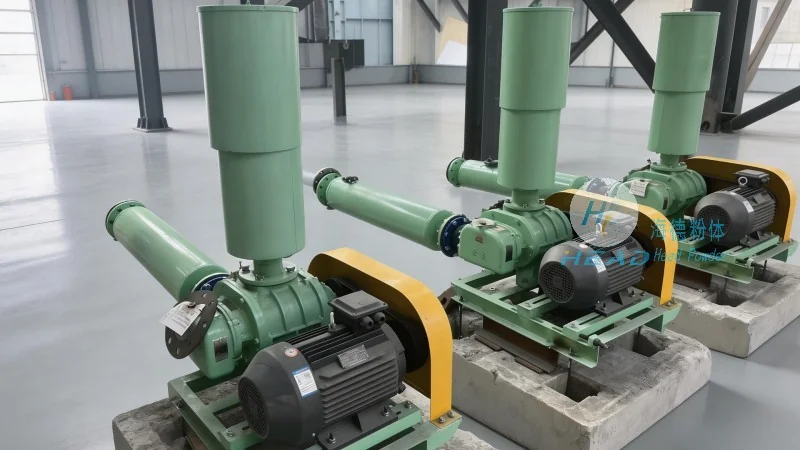
2. Product Integrity and Contamination Control: Lysine powder is sensitive to moisture and contamination. Pneumatic conveying systems are enclosed, which prevents exposure to external elements and reduces the risk of product degradation. The use of stainless steel components and sealed pipelines further minimizes the chance of cross-contamination, ensuring that the lysine powder maintains its quality and nutritional value throughout the conveying process.
3. Space Optimization and Flexibility: Pneumatic conveying machines are suitable for both new and existing facilities. They can be installed in confined spaces due to their compact design, making them ideal for plants with limited floor space. The flexibility of the system allows for easy reconfiguration of the conveying lines to accommodate changes in production processes or product lines, providing long-term adaptability.
4. Energy Efficiency and Cost-Effectiveness: Modern lysine powder pneumatic conveying machines are engineered to optimize energy usage. The selection of appropriate blower sizes and air pressure levels reduces energy consumption while maintaining the required conveying capacity. This leads to lower operational costs and a more sustainable approach to material handling. Additionally, the reduced need for manual labor and the elimination of manual handling equipment contribute to overall cost savings.
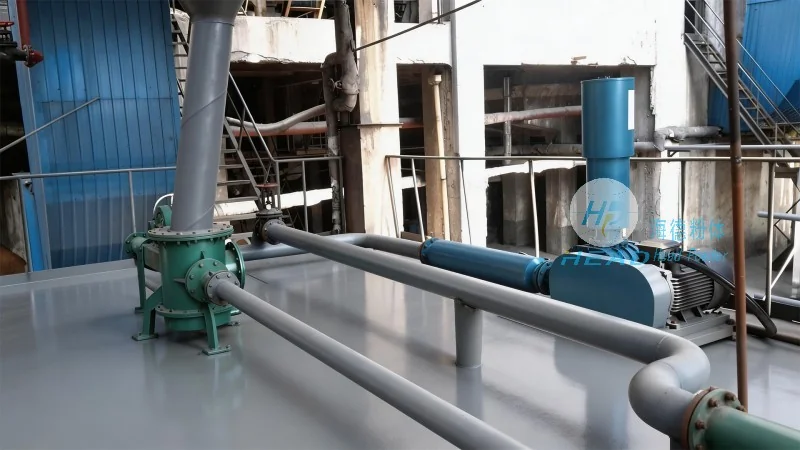
Applications in Industrial Settings
Lysine powder pneumatic conveying machines are widely used in various industrial settings, including:
1. Animal Feed Manufacturing: In the production of animal feed, lysine is a key ingredient that must be mixed with other components. Pneumatic conveying systems efficiently transport lysine powder from storage to mixing equipment, ensuring consistent ingredient ratios and preventing segregation of the powder.
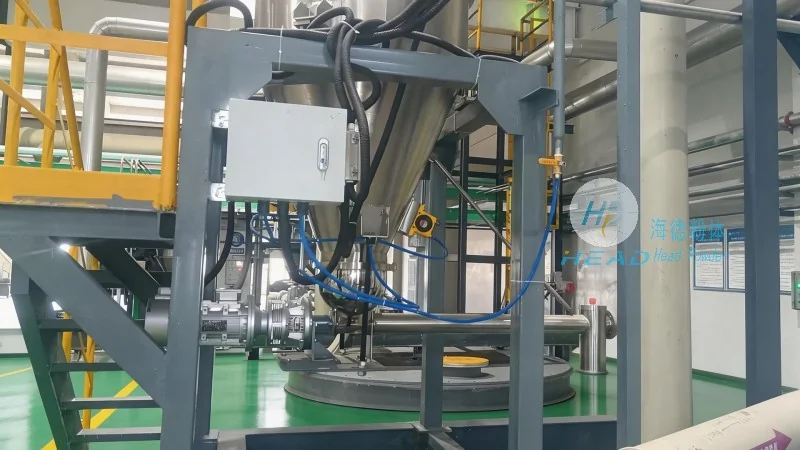
2. Food Processing and Nutraceuticals: For food products and nutraceuticals that incorporate lysine, the need for hygienic and contamination-free handling is paramount. Pneumatic conveying machines meet these requirements by providing a closed system that maintains product purity and adheres to food safety regulations.
3. Pharmaceutical and Chemical Industries: Although lysine is primarily used in food and feed, its handling principles are applicable to other fine powders in the pharmaceutical and chemical sectors. The reliability and precision of pneumatic conveying systems make them suitable for transporting sensitive powders in these industries as well.
Conclusion
Lysine powder pneumatic conveying machines represent a sophisticated solution for the efficient and safe handling of this vital amino acid. By leveraging the principles of pneumatic transport, these systems offer significant advantages in terms of material integrity, operational efficiency, and cost-effectiveness. For industries relying on lysine as a key component, investing in a well-designed pneumatic conveying system is essential for maintaining product quality and optimizing production processes. As technology advances, these machines continue to evolve, providing even more efficient and sustainable solutions for the future of powder handling.