

Principle and Working Scene Characteristics of Fiber Material Powder Pneumatic Conveying Lines
HeadPowder, a leading manufacturer based in Shandong, China, specializes in providing advanced solutions for powder and bulk material handling. The company's expertise lies in the design, development, and implementation of pneumatic conveying systems, particularly for fiber material powders. This article explores the fundamental principles behind fiber material powder pneumatic conveying lines and highlights the key characteristics of their working scenes, offering insights into how these systems enhance operational efficiency across various industries.
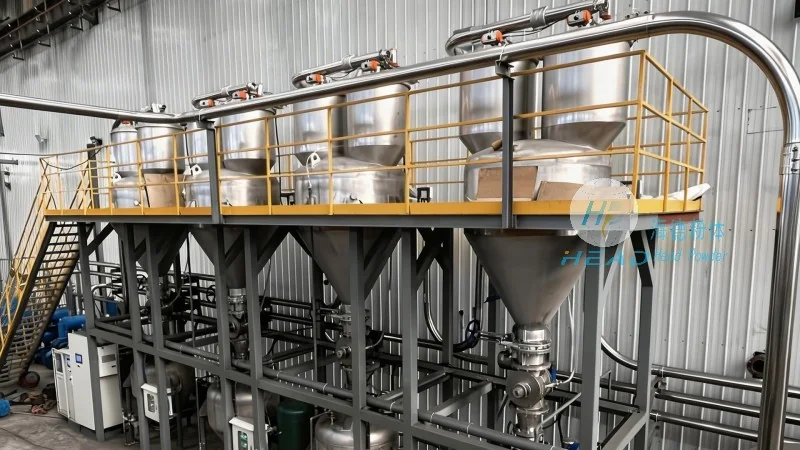
Understanding the Core Principle of Fiber Material Powder Pneumatic Conveying Lines
The principle of pneumatic conveying involves transporting bulk materials through a closed system using air or gas as the conveying medium. For fiber material powders, this technology is tailored to address the unique challenges posed by these materials, such as high moisture content, variable particle size, and the tendency to agglomerate or clog conventional equipment. The system typically operates by creating a pressure differential or suction force that propels the material through a network of pipes. There are two primary modes of operation: aspiration (or suction) systems and pressure (or blow) systems. Aspiration systems draw material from a source using a vacuum, while pressure systems force material through the system using compressed air. Both methods are adapted to handle fiber materials by incorporating specialized components like flexible hoses, rotary valves, and airlocks to ensure smooth and continuous flow.
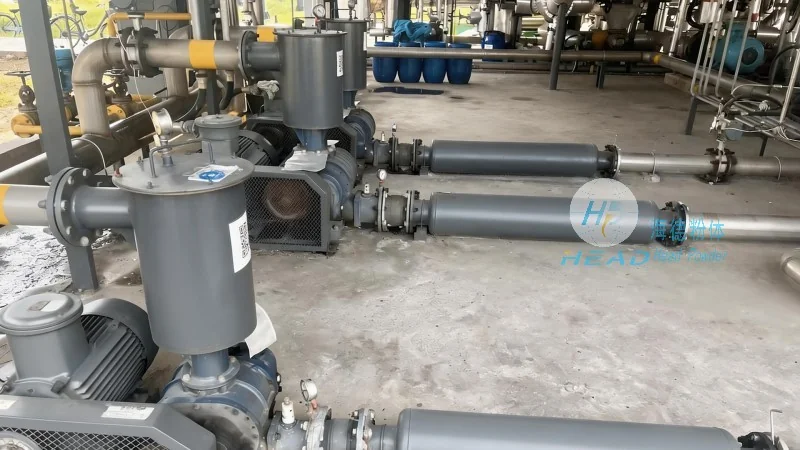
Key Working Scene Characteristics of Fiber Material Powder Pneumatic Conveying Systems
The working scene characteristics of fiber material powder pneumatic conveying lines are defined by their adaptability to diverse industrial environments and the specific requirements of the materials being handled. These systems are commonly employed in sectors such as textile manufacturing, chemical processing, food processing, and pharmaceuticals, where the efficient and hygienic transfer of fiber-based powders is critical. One of the most notable characteristics is the ability to maintain a clean and dust-free environment, as the enclosed system prevents particles from escaping into the air, reducing health hazards and contamination risks. Additionally, the flexibility of the system allows for easy integration into existing production lines, enabling seamless material transfer between processes like mixing, drying, and packaging.
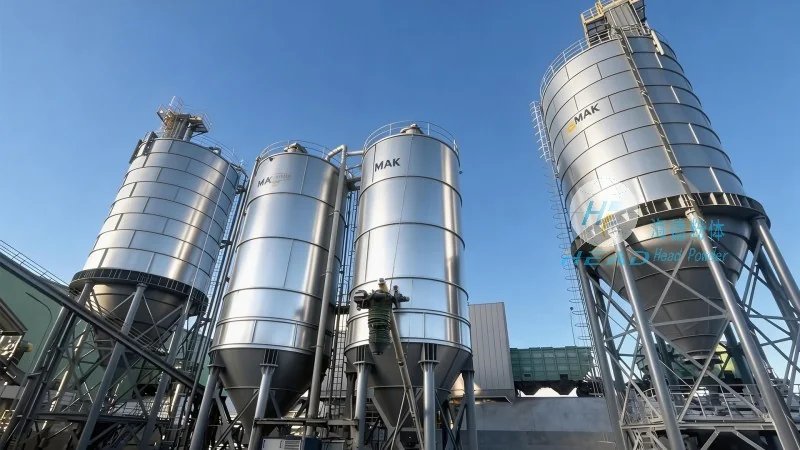
Application Scenarios and Operational Advantages
In textile manufacturing, for instance, fiber material powder pneumatic conveying lines are used to transport raw fibers from storage silos to spinning machines. The system ensures that the fibers are delivered consistently and without degradation, maintaining the quality of the final textile products. In chemical processing, these lines handle reactive or hazardous fiber powders, providing a safe and controlled method of material transfer that minimizes exposure risks. The operational advantages of such systems include high conveying rates, reduced labor costs, and improved process control. Furthermore, the modular design of the equipment allows for scalability, meaning that the system can be expanded or modified to accommodate increased production demands or changes in material specifications.
Technical Considerations for Optimal Performance
Successful implementation of fiber material powder pneumatic conveying lines requires careful consideration of several technical factors. The selection of the appropriate conveying mode depends on the material's properties, such as density, moisture content, and particle size distribution. For example, high-density fiber materials may require higher air velocities to maintain flow, while low-density materials might benefit from lower velocities to prevent excessive energy consumption. The design of the pipeline network is also critical, as it must be sized to handle the material's flow characteristics and avoid pressure drops that could lead to clogging. HeadPowder's engineering team utilizes advanced computational fluid dynamics (CFD) simulations to optimize the system design, ensuring that the conveying line operates efficiently and reliably under various operating conditions.
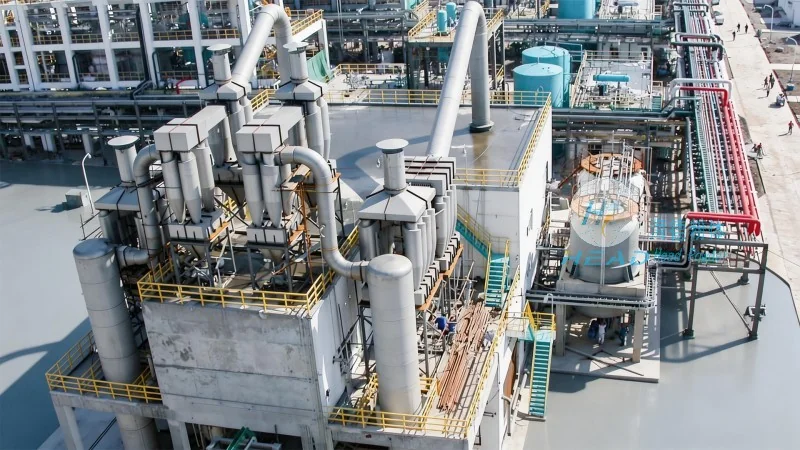
Conclusion: Enhancing Efficiency in Material Handling
Fiber material powder pneumatic conveying lines represent a sophisticated solution for the challenges of handling fibrous bulk materials. By leveraging the principles of pneumatic transport and adapting them to the unique needs of fiber powders, these systems offer significant advantages in terms of efficiency, safety, and process integration. As industries continue to demand higher standards of productivity and environmental responsibility, the importance of such advanced material handling technologies becomes increasingly evident. HeadPowder's commitment to innovation and customer-centric solutions ensures that their pneumatic conveying systems remain at the forefront of industry standards, providing reliable and effective solutions for a wide range of applications.