

Principle and Working Scene Characteristics of Sugar Powder Pneumatic Conveying Lines
HeadPowder Engineering Co., Ltd., a professional manufacturer based in Shandong, China, specializes in the design, development, and implementation of advanced pneumatic conveying systems for bulk powder handling. Our company's expertise lies in creating efficient and reliable solutions tailored to the unique demands of industries such as food processing, pharmaceuticals, and chemical manufacturing. This article delves into the fundamental principles of sugar powder pneumatic conveying lines, exploring their operational mechanisms and the specific scenarios where these systems excel.
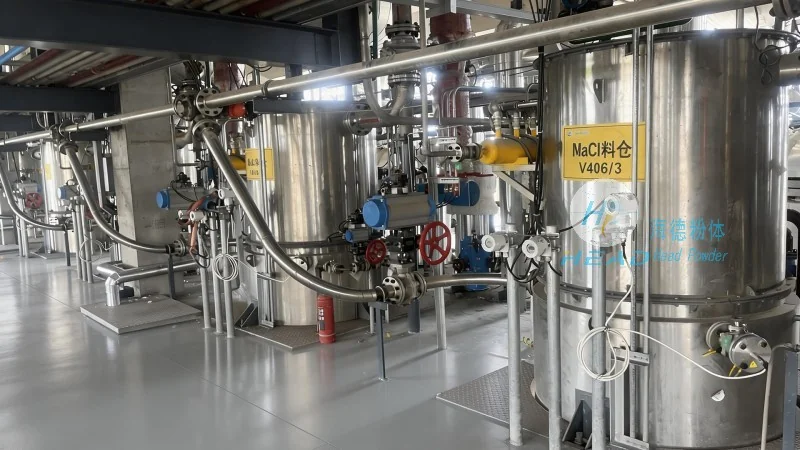
Understanding the Core Principles of Pneumatic Conveying for Sugar Powders
Pneumatic conveying systems utilize compressed air or other gases to transport dry bulk materials like sugar powder from one location to another. The primary principle involves creating a pressure differential that propels the powder through a pipeline. There are two main types of pneumatic conveying: pressure and vacuum systems. Pressure systems use a positive pressure source to push the material, while vacuum systems create a negative pressure to draw it. For sugar powders, which are typically fine and abrasive, the choice of system depends on factors like material characteristics, distance, and the need for containment.
The process begins with the sugar powder being fed into a hopper or feeder. From there, it is introduced into the conveying line, where it mixes with the air stream. The air-sugar mixture travels through the pipeline, often passing through bends, filters, and control valves. The design of the system, including the size of the pipeline, the velocity of the air, and the type of air-liquid separator, is critical to ensuring efficient and clean transport. Properly designed pneumatic conveying lines minimize product degradation, prevent clogging, and maintain product integrity throughout the process.
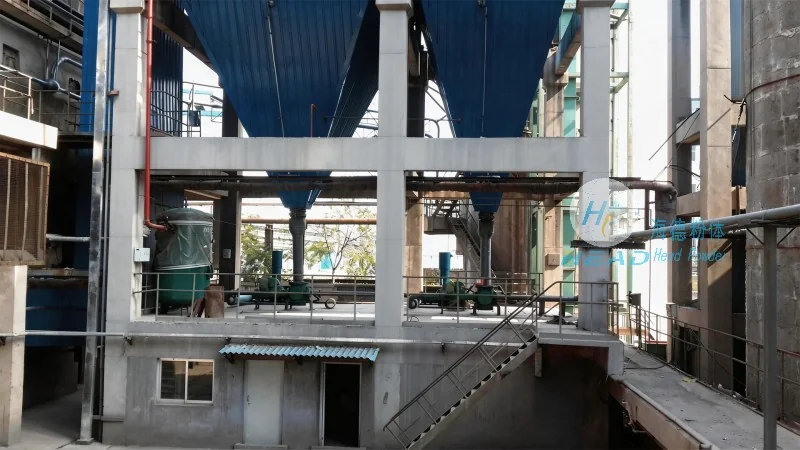
Key Working Scene Characteristics of Sugar Powder Pneumatic Conveying Lines
Sugar powder pneumatic conveying lines are particularly effective in scenarios where traditional mechanical conveying methods are impractical or inefficient. For instance, in large-scale sugar processing plants, these systems are used to transport raw sugar from storage silos to processing units, or to move refined sugar from production lines to packaging areas. The ability to handle large volumes of sugar powder in a continuous, automated manner makes these systems ideal for high-throughput operations.
In the food and beverage industry, where hygiene and product purity are paramount, pneumatic conveying lines offer a dust-free and contamination-free solution. Unlike mechanical conveyors, which can generate dust and introduce foreign particles, pneumatic systems keep the sugar powder enclosed within the pipeline, reducing the risk of cross-contamination. This is especially important in facilities that handle multiple product lines or require strict compliance with food safety regulations.
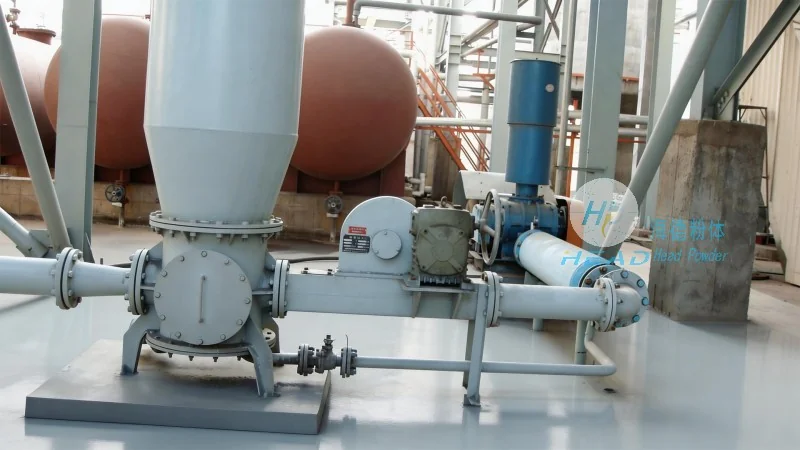
Another key application is in the pharmaceutical and chemical sectors, where the handling of fine powders requires precise control and minimal product loss. Pneumatic conveying lines can be integrated with automated dosing and mixing equipment, enabling seamless transfer of sugar powders into formulations or chemical reactions. The flexibility of these systems allows for easy integration into existing production lines, reducing downtime and improving overall operational efficiency.
Advantages and Considerations for Implementing Sugar Powder Pneumatic Conveying Systems
Implementing a sugar powder pneumatic conveying line offers several advantages over traditional conveying methods. The primary benefit is the ability to transport materials over long distances without the need for intermediate storage or manual handling. This reduces labor costs and minimizes the risk of product damage or spillage. Additionally, pneumatic systems are more compact and require less floor space compared to belt or bucket elevators, making them suitable for facilities with limited space.
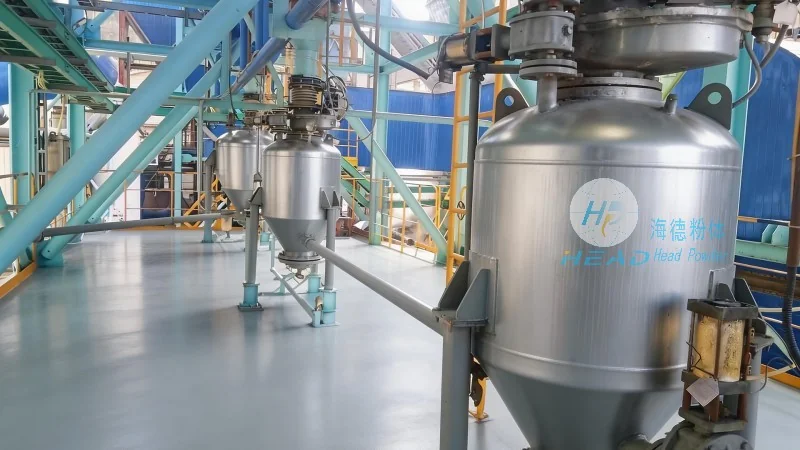
However, there are also considerations to keep in mind when selecting a pneumatic conveying system for sugar powders. The material's properties, such as its moisture content, particle size, and flowability, significantly impact system performance. For example, highly hygroscopic or cohesive powders may require specialized equipment like rotary valves or air locks to prevent blockages. The choice of air compressor and filtration system is also critical to ensure consistent air quality and prevent system wear.
HeadPowder Engineering Co., Ltd. provides comprehensive solutions tailored to these considerations. Our team of engineers works closely with clients to assess their specific needs, from material characteristics to operational requirements, and designs customized pneumatic conveying systems that maximize efficiency and reliability. By leveraging our expertise in powder handling technology, we help clients optimize their production processes, reduce costs, and maintain high product quality.