

Principle and Working Scene Characteristics of PE Granule Material Conveying Lines
PE granule material conveying lines are essential equipment in the processing and handling of plastic materials, particularly for polyethylene (PE) granules. These systems are designed to efficiently transport PE granules from storage to processing units, ensuring smooth production flow and operational efficiency. The technology behind these conveying lines combines mechanical engineering principles with material handling expertise, tailored to the specific properties of PE granules, such as their size, density, and flow characteristics.
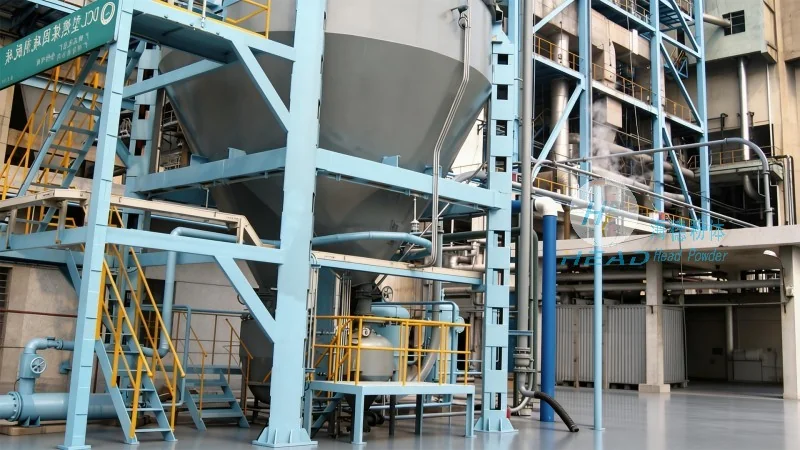
Principle of PE Granule Material Conveying Lines
The core principle of PE granule material conveying lines revolves around the use of mechanical components to move granular materials through a defined path. Common components include hoppers for material storage, feeders to control the flow rate, and conveyor mechanisms like screw conveyors, belt conveyors, or pneumatic systems. The design of these lines is optimized to minimize material degradation, maintain consistent flow, and ensure minimal downtime. For PE granules, which are lightweight and can be prone to static charge, the conveying system often incorporates anti-static measures and smooth surfaces to prevent material buildup and ensure reliable transport. The system's control mechanisms, such as variable speed drives and sensors, allow for real-time monitoring and adjustment of the conveying rate, adapting to changes in production demand or material characteristics.
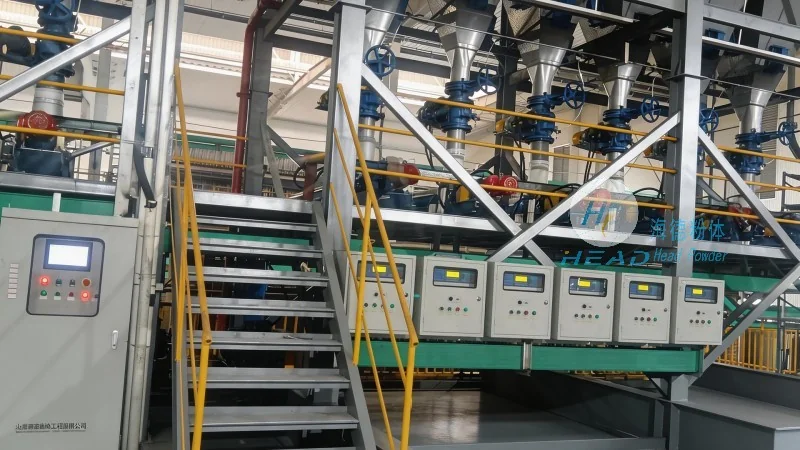
Working Scene Characteristics of PE Granule Material Conveying Lines
The working scene characteristics of PE granule material conveying lines vary based on the specific application and industrial environment. In manufacturing facilities, these lines are typically integrated into larger production lines, connecting raw material storage areas to extrusion or molding machines. The environment is often characterized by high volumes of material, requiring robust and durable equipment capable of handling continuous operation. Key characteristics include high throughput capacity, low maintenance requirements, and compatibility with automated production processes. For example, in the production of PE pipes or films, the conveying line must ensure a steady supply of granules to the extrusion line, maintaining consistent product quality. In recycling facilities, the conveying lines may handle reclaimed PE granules, requiring additional filtration or cleaning steps to remove contaminants before processing. The working scene also considers factors like space constraints, as many industrial settings have limited floor space, necessitating compact and flexible conveying solutions. Additionally, the lines are designed to be compatible with other processing equipment, such as mixers, dryers, or pelletizers, forming a cohesive production system that enhances overall operational efficiency.
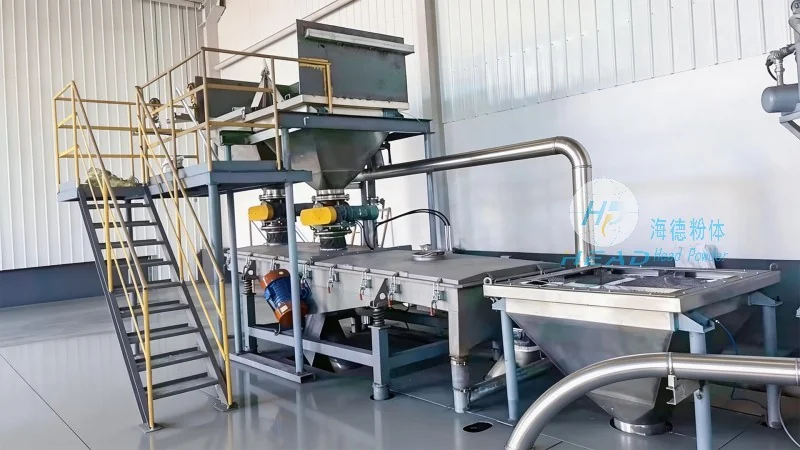
Application Scenarios and Operational Efficiency
PE granule material conveying lines are widely used in various industrial applications, including plastic manufacturing, packaging, and construction. In plastic manufacturing, they are crucial for feeding granules to extruders, which convert the granules into finished products like pipes, films, or containers. The efficiency of the conveying line directly impacts the production speed and quality of the final product. For instance, in the production of high-density polyethylene (HDPE) pipes, a reliable conveying line ensures a consistent flow of granules, preventing interruptions that could lead to defects in the final product. In packaging applications, the conveying line may transport PE granules to blow molding machines, where they are formed into bottles or containers. The working scene in packaging facilities often involves high-speed operations, requiring conveying lines with high capacity and low latency to meet production targets. In construction, PE granules are used in the production of plastic lumber or insulation materials, and the conveying lines play a vital role in delivering the raw material to processing equipment. The operational efficiency of these lines is enhanced by features like automated control systems, which adjust the conveying rate based on real-time production needs, reducing waste and optimizing resource usage. Furthermore, the durability of the equipment, particularly in harsh industrial environments, is a key factor in maintaining long-term operational efficiency. Shandong HeadPowder Engineering Co., Ltd., a leading manufacturer based in China, specializes in designing and manufacturing high-quality PE granule material conveying lines tailored to the specific needs of industrial clients. With a focus on precision engineering and customer-centric solutions, the company ensures that its conveying lines meet the highest standards of performance and reliability, contributing to improved productivity and reduced operational costs for its clients.