

Clay Sand Material Conveying: Principles and Operational Characteristics
Clay sand material conveying is a pivotal process in industrial manufacturing, particularly within the foundry and casting sectors where the efficient transportation of clay-based sand materials is crucial for maintaining production efficiency and product quality. The system facilitates the movement of clay sand from storage silos or bins to processing units, such as mixers or molding machines, ensuring a continuous and controlled flow that supports the overall production workflow. Understanding the fundamental principles and operational characteristics of these systems is essential for optimizing performance, reducing downtime, and enhancing the reliability of material handling operations.
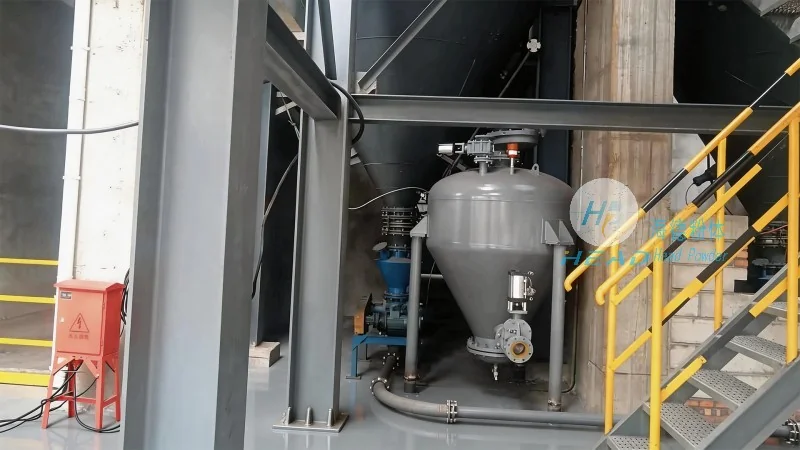
Core Principles of Clay Sand Conveying
The core principles of clay sand material conveying revolve around the design and implementation of equipment capable of handling the unique physical properties of clay sand, including its moisture content, particle size distribution, and cohesive nature. These materials often require gentle, low-impact handling to prevent degradation, compaction, or segregation, which can adversely affect their performance in subsequent manufacturing steps. Conveying systems typically employ mechanisms such as belt conveyors, screw conveyors, or pneumatic (air) systems, each selected based on factors like the volume of material, the distance to be covered, and the required speed of transfer. Belt conveyors, for example, are widely used for horizontal or slightly inclined transport due to their ability to handle large volumes with minimal maintenance, while screw conveyors excel in vertical or inclined applications where precise control over material flow is critical. Pneumatic systems, on the other hand, are suitable for dusty or fine materials, utilizing air pressure to move particles through a pipeline, though they may require higher energy input and careful filtration to manage dust emissions.
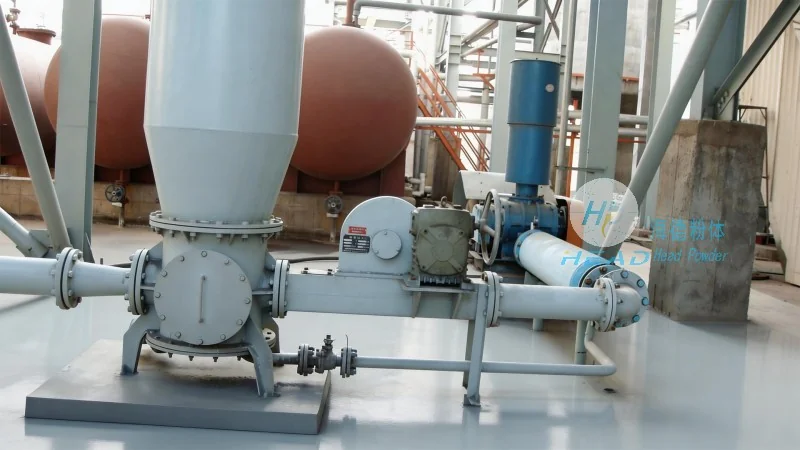
Working Scene Characteristics and Application Scenarios
The operational characteristics of clay sand conveying systems are heavily influenced by the specific working environments and application scenarios in which they are deployed. In foundry operations, these systems are integral to the sand preparation process, where clay sand is mixed with binders, additives, and other components to create the mold material. The working scene often involves high-volume material handling, with the need to maintain consistent moisture levels and prevent material segregation during transport. This requires the conveying system to be robust enough to handle varying material compositions and flow rates without compromising the quality of the final product. Additionally, the working environment may include dust control measures, as clay sand can generate significant airborne particles that necessitate proper ventilation and filtration systems. The design of the conveying system must therefore consider not only the material transport but also the overall safety and environmental compliance of the facility, ensuring that dust emissions are minimized and operational hazards are mitigated.
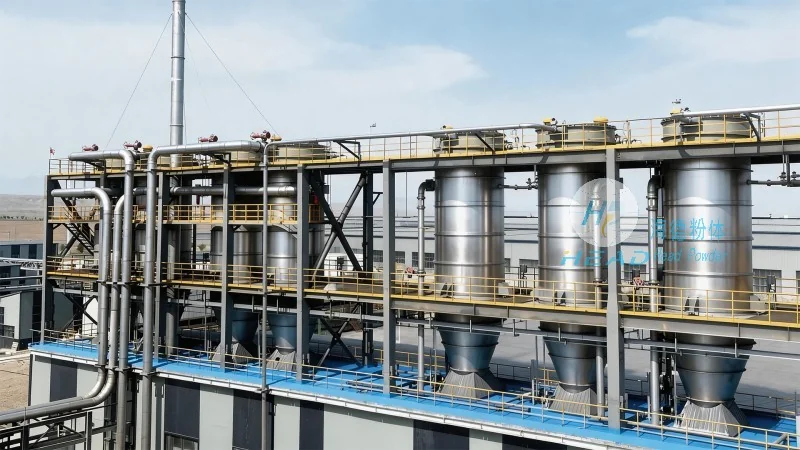
Key Features and Technical Considerations
When evaluating clay sand conveying systems, several key features and technical considerations are paramount. Material handling capacity is a primary factor, as systems must be capable of meeting the production demands of the facility without causing bottlenecks or delays. The system's efficiency, measured by the rate of material transfer and energy consumption, is another critical aspect. Advanced systems may incorporate variable speed drives and automated controls to optimize performance based on real-time production needs, such as adjusting conveyor speed during peak demand periods. Durability and maintenance requirements are also important, as clay sand can be abrasive and may cause wear on conveyor components. High-quality materials, such as stainless steel or wear-resistant coatings, are often used to extend the lifespan of the system and reduce downtime. The integration of the conveying system with other production processes, such as mixing and molding, is essential for seamless workflow management. Proper alignment and synchronization with upstream and downstream equipment ensure smooth material flow and minimize the risk of material loss or contamination. Furthermore, the system should be designed with easy access points for maintenance and cleaning, as clay sand can accumulate in hard-to-reach areas and require regular upkeep to maintain optimal performance.
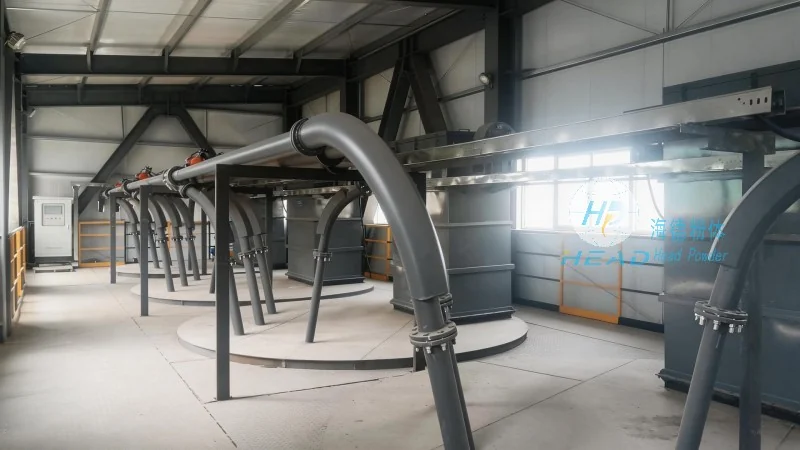
Company Overview: Shandong HeadPowder Engineering Co., Ltd.
Shandong HeadPowder Engineering Co., Ltd., operating under the brand name headpowder, is a leading provider of specialized material conveying systems tailored to the needs of industrial clients. With a strong focus on innovation and customer-centric solutions, the company has built a reputation for delivering high-quality, reliable equipment that enhances operational efficiency and productivity. HeadPowder's expertise lies in understanding the unique challenges of handling clay-based materials and developing customized solutions that address specific operational requirements. The company's facilities in Shandong, China, house state-of-the-art manufacturing equipment and a team of experienced engineers who work closely with clients to ensure the delivery of systems that meet their exact needs. By combining technical knowledge with practical experience, HeadPowder aims to support its clients in achieving their production goals while maintaining strict adherence to industry standards and safety regulations. The company's commitment to quality and customer satisfaction has made it a trusted partner for businesses in the foundry, casting, and related industries, providing them with the tools needed to optimize their material handling processes and improve overall performance.