

Principles and Application Scenarios of Calcium Phosphate Material Handling
Calcium phosphate materials are widely used in various industrial applications, and efficient material handling is crucial for optimizing production processes. This article explores the fundamental principles of calcium phosphate material transport and highlights key working scenarios where such systems are applied. The discussion focuses on the technical aspects and operational characteristics of handling calcium phosphate, providing insights into how these systems enhance productivity and safety in industrial settings.
Principles of Calcium Phosphate Material Transport
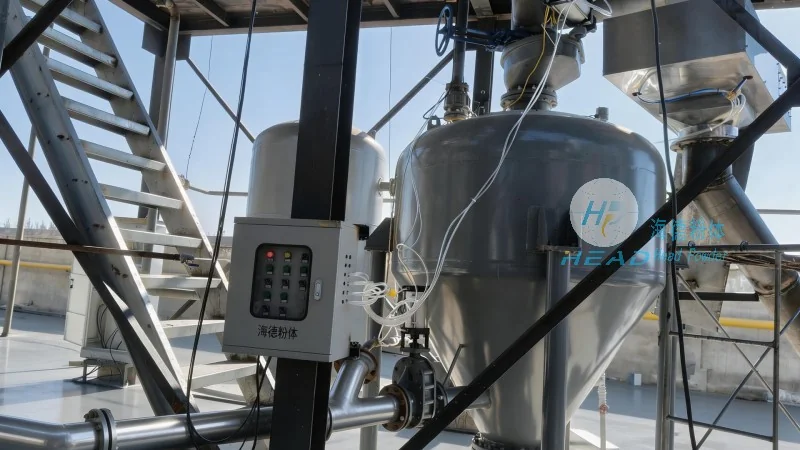
The core principles of calcium phosphate material handling revolve around understanding the physical properties of the material, such as its density, flowability, and potential for dust generation. These properties dictate the choice of equipment and the design of the handling system. For instance, calcium phosphate powders often exhibit cohesive behavior, which can lead to bridging or rat-holing in silos and hoppers. To mitigate these issues, engineers employ specialized equipment like rotary valves, vibratory feeders, and pneumatic conveying systems. The selection of equipment is based on factors including material flow characteristics, required throughput, and the need for dust control. Additionally, the system design must consider the material's reactivity and potential for caking, as these can impact the efficiency of the handling process. By adhering to these principles, industries can ensure smooth and reliable material transport, minimizing downtime and operational risks.
Key Working Scenarios for Calcium Phosphate Handling
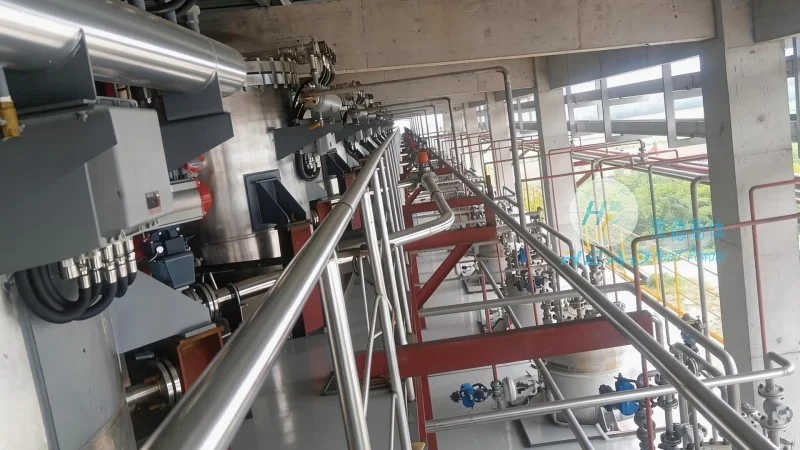
Calcium phosphate material handling systems are deployed in diverse industrial environments, each with unique requirements. One common scenario is in the fertilizer industry, where calcium phosphate is used as a nutrient source. In this context, the handling system must be capable of processing large volumes of material while maintaining consistent quality. The system typically includes bulk storage silos, conveyor belts, and automated feeding mechanisms to feed the material into processing lines. Another scenario is in the pharmaceutical and food industries, where calcium phosphate is used as an excipient or dietary supplement. Here, the handling system must adhere to stringent hygiene standards, with features like stainless steel construction, closed-loop systems, and air filtration to prevent contamination. The focus is on maintaining product purity and ensuring compliance with regulatory requirements. Additionally, in the chemical manufacturing sector, calcium phosphate is used as a raw material for various products, including ceramics and coatings. The handling system in this scenario may involve high-temperature processing equipment, where the material is conveyed under controlled conditions to prevent degradation. Each of these scenarios requires tailored solutions that address specific operational challenges, ensuring that the material is handled safely and efficiently.
Technical Considerations in Calcium Phosphate Material Handling
When designing and implementing calcium phosphate material handling systems, several technical considerations are essential. First, the system must be designed to handle the material's potential for dust generation, as calcium phosphate powders can create hazardous dust clouds. This requires the integration of dust collection systems, such as baghouses or cartridge filters, to ensure compliance with occupational health and safety regulations. Second, the equipment must be resistant to corrosion and wear, as calcium phosphate can be abrasive and may contain acidic components that can degrade metal surfaces. Stainless steel and special alloys are commonly used in the construction of handling components to extend the lifespan of the system. Third, the system must be equipped with monitoring and control features to optimize performance. Sensors for level, flow, and temperature, along with automated control systems, allow operators to adjust the handling process in real-time, ensuring consistent output and preventing equipment damage. These technical considerations are critical for maintaining the reliability and efficiency of calcium phosphate material handling systems, especially in high-volume industrial applications.
Conclusion and Industry Applications
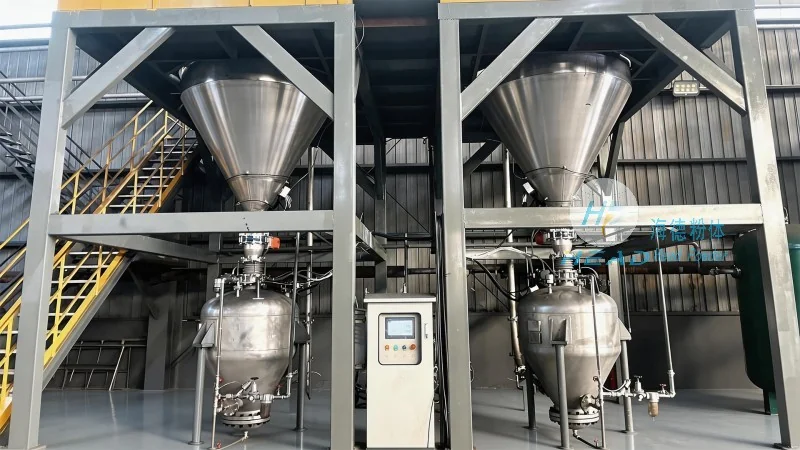
In conclusion, the principles and working scenarios of calcium phosphate material handling are critical for optimizing industrial processes. By understanding the unique properties of calcium phosphate and selecting appropriate handling equipment, industries can enhance productivity, reduce operational costs, and ensure safety. The systems discussed in this article are designed to meet the specific demands of various applications, from fertilizer production to pharmaceutical manufacturing. As the demand for calcium phosphate continues to grow, the importance of efficient material handling will only increase. Companies like Shandong HeadPowder Engineering Co., Ltd., based in China, play a vital role in providing tailored solutions that address the diverse needs of the industry. Their expertise in material handling systems ensures that clients can achieve reliable and sustainable operations, contributing to the overall success of their businesses.