

Principles and Working Scene Characteristics of Baking Powder Material Conveying
HeadPowder, a leading engineering firm based in Shandong, China, specializes in the design and implementation of material handling solutions tailored for the food processing industry. Among their core offerings is the conveyance of baking powder, a critical ingredient in countless baked goods. Understanding the principles and characteristics of baking powder conveying systems is essential for maintaining product quality, ensuring operational efficiency, and meeting industry standards. This article explores the fundamental principles behind baking powder conveying and highlights the key characteristics that define their effective application in various working environments.
The Core Principles of Baking Powder Material Conveying
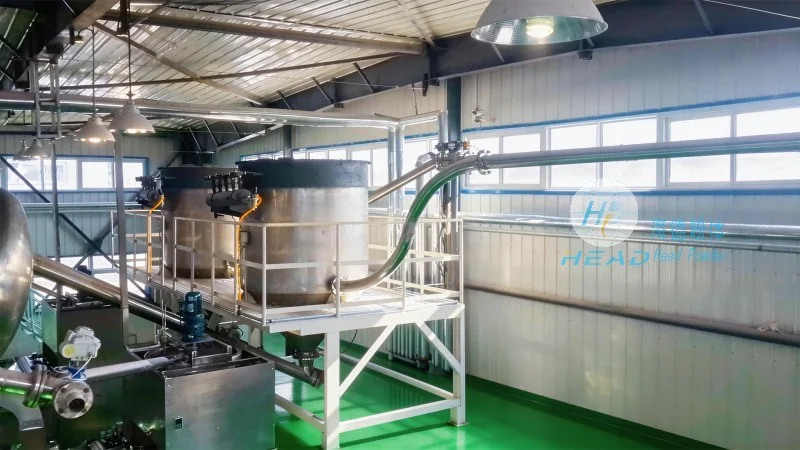
The primary principle governing the conveyance of baking powder is the efficient transfer of a light, free-flowing powder while preserving its physical and chemical integrity. Baking powder, typically composed of a mixture of leavening agents, starches, and other additives, requires specialized handling to prevent caking, segregation, or degradation. The conveying process must balance the need for gentle movement with the ability to maintain the powder's uniformity and freshness. Key principles include minimizing particle breakage, controlling moisture exposure, and ensuring consistent flow rates. Mechanical systems such as screw conveyors, pneumatic conveyors, and bucket elevators are commonly employed, each leveraging different forces—gravity, pressure, or mechanical action—to move the material. For example, screw conveyors use rotating helical screws to push the powder forward, while pneumatic systems utilize air pressure to suspend and transport the particles. The choice of system depends on factors like the material's bulk density, flowability, and the distance to be covered.
Key Working Scene Characteristics
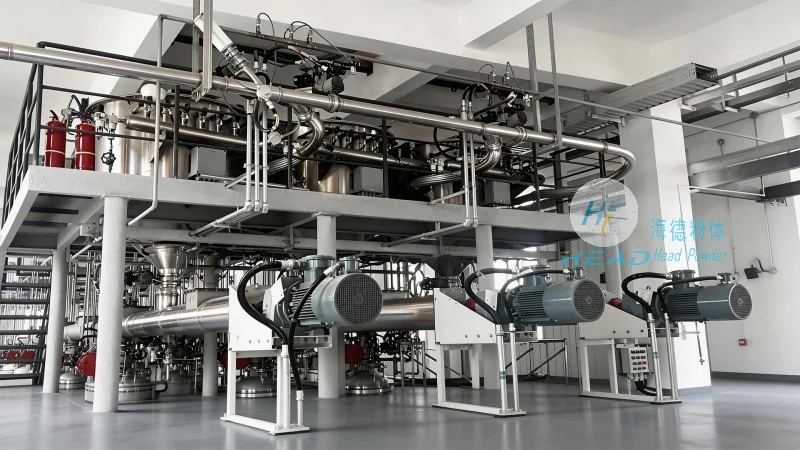
The working scene characteristics of baking powder conveying systems are shaped by the specific demands of the application environment. In food processing facilities, for instance, the conveying equipment must adhere to strict hygiene standards, as baking powder is a direct ingredient in consumer products. This often necessitates stainless steel construction, easy-to-clean surfaces, and sealed systems to prevent contamination. Additionally, the system must be designed to handle the powder's tendency to form clumps or segregate, which can affect product consistency. In industrial settings, where large volumes of baking powder are processed, the conveying system must be capable of high throughput and reliability. The working scene may also involve integration with other processing equipment, such as mixers, ovens, or packaging lines, requiring seamless coordination to maintain a continuous production flow. Another characteristic is the need for flexibility, as baking powder formulations may vary, and the conveying system should be adaptable to different particle sizes and compositions. The operational environment, including temperature and humidity control, also plays a role in ensuring the material remains stable during transport.
Technical Considerations for Efficient Conveying
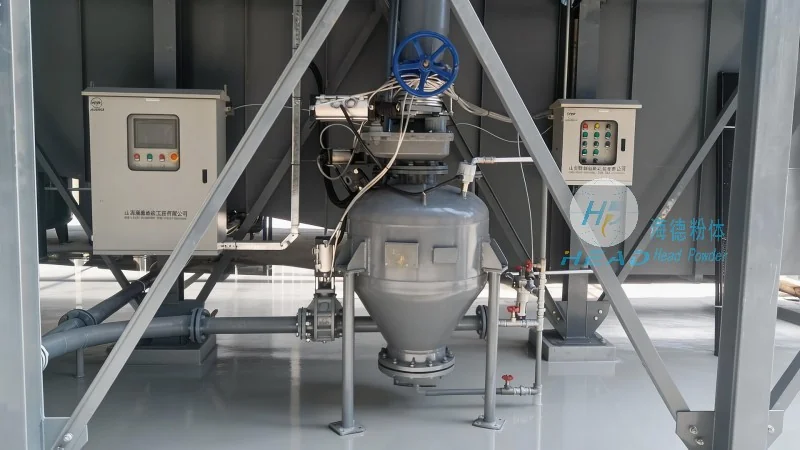
Efficient baking powder conveying requires careful consideration of several technical factors to optimize performance and minimize downtime. One critical aspect is the selection of appropriate equipment based on the material's properties. For instance, if the baking powder has a high tendency to clog or segregate, a pneumatic conveyor with a positive displacement blower may be more effective than a screw conveyor. The design of the conveyor system must also account for the material's bulk density and flowability, as these properties influence the required power and speed. Additionally, the system should incorporate features to prevent material buildup, such as incline angles optimized for the powder's angle of repose and anti-segregation devices. Maintenance considerations are equally important, as regular cleaning and inspection are necessary to prevent contamination and ensure consistent operation. The use of wear-resistant materials for conveyor components, such as liners and bearings, can extend the system's lifespan and reduce maintenance costs. Furthermore, the integration of sensors and monitoring systems can provide real-time data on flow rates, pressure, and temperature, enabling proactive maintenance and process adjustments.
Application Examples in Real-World Settings
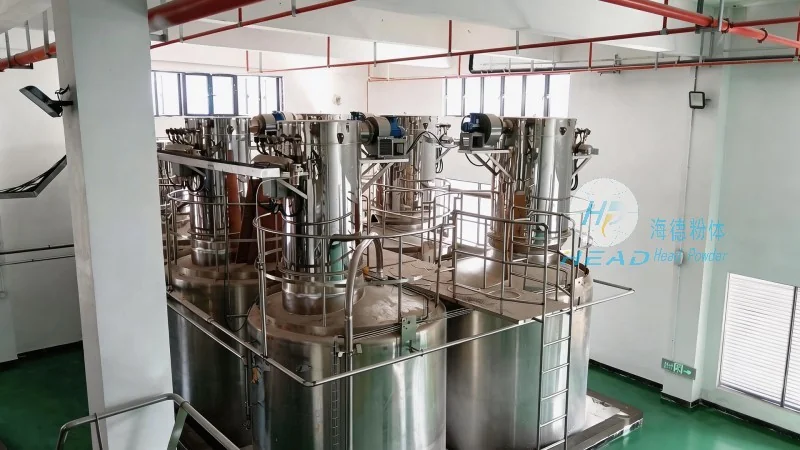
Shandong HeadPowder Engineering Co., Ltd. has implemented successful baking powder conveying systems in various real-world settings, demonstrating the practical application of these principles. In a large-scale bakery, for example, the company designed a pneumatic conveying system that transports baking powder from storage silos to mixing lines. The system uses a positive displacement blower to move the powder through a network of pipes, ensuring a consistent flow rate and preventing clogging. The stainless steel construction and sealed design meet the hygiene standards required for food processing, while the system's flexibility allows for adjustments to accommodate different baking powder formulations. Another application is in a chemical processing facility, where the conveying system handles a specialized baking powder blend used in industrial applications. The system incorporates a screw conveyor for initial transport and a pneumatic section for final delivery, optimizing the process for both efficiency and product quality. These examples illustrate how the principles and characteristics of baking powder conveying can be tailored to specific operational needs, resulting in improved productivity and product consistency.
In conclusion, the principles and working scene characteristics of baking powder material conveying are essential for ensuring the quality and efficiency of production processes. By understanding the unique properties of baking powder and selecting appropriate conveying systems, companies like Shandong HeadPowder Engineering Co., Ltd. can maintain high standards of operation and meet the demands of the food processing industry. The effective implementation of these systems requires careful technical consideration and a focus on maintaining the material's integrity throughout the conveying process. As the industry continues to evolve, the importance of reliable material handling solutions for baking powder will remain a critical factor in achieving operational excellence.