

Principles and Working Scene Characteristics of Coffee Powder Material Conveying
For coffee processing facilities, efficient and reliable material conveying is crucial to maintaining production flow and product quality. The process of transporting coffee powder involves several key principles and operational characteristics that are tailored to the unique properties of coffee grounds. Understanding these aspects helps in selecting the most appropriate conveying solutions for different production environments.
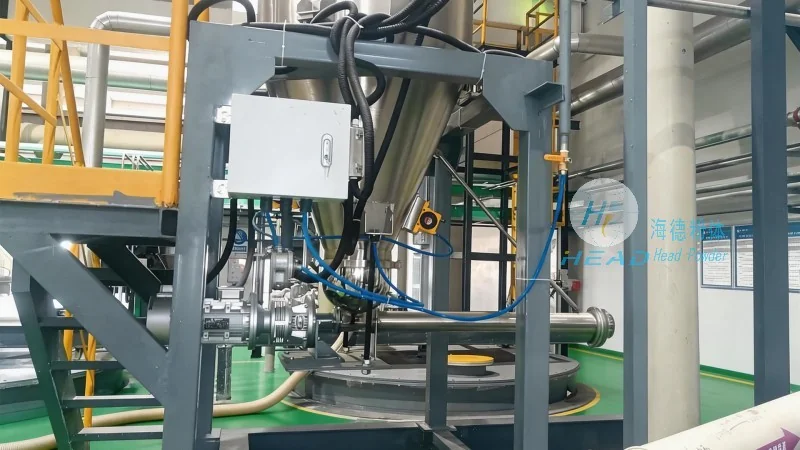
Core Principles of Coffee Powder Conveying
The primary principle in coffee powder material conveying is to handle the fine, abrasive nature of coffee grounds without causing degradation or clogging. This requires specialized equipment designed to minimize friction and maintain consistent flow rates. Key principles include:
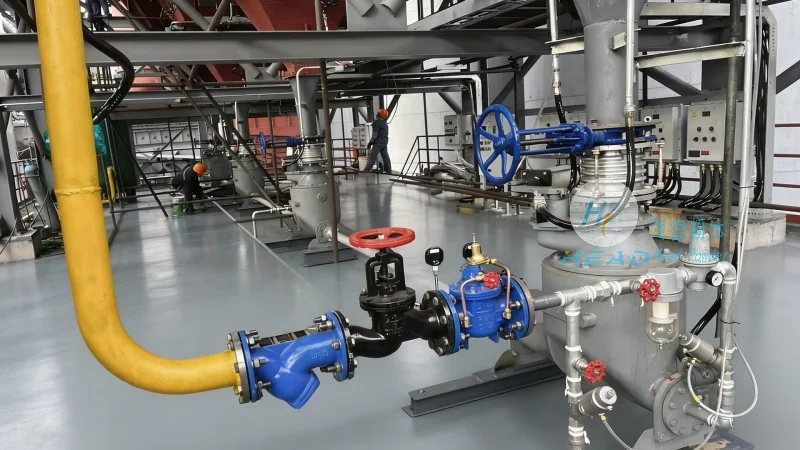
- Low-Pressure, Gentle Handling: Coffee powder is sensitive to high pressure, which can cause clumping or particle breakdown. Conveying systems use low-pressure mechanisms such as vacuum or low-speed augers to move material smoothly.
- Prevention of Moisture Exposure: Coffee powder is hygroscopic, meaning it absorbs moisture from the air. Conveying systems are often enclosed to prevent moisture absorption, which can affect the final product's aroma and texture.
- Efficient Material Separation: In some cases, coffee powder may need to be separated from other byproducts or waste. Conveying systems with integrated separation mechanisms help maintain product purity.
Working Scene Characteristics of Coffee Powder Conveying
The working scene characteristics of coffee powder conveying vary based on the production scale and application. Small-scale operations may use manual or semi-automated systems, while large-scale coffee processing plants rely on automated, high-capacity conveying solutions. Key characteristics include:
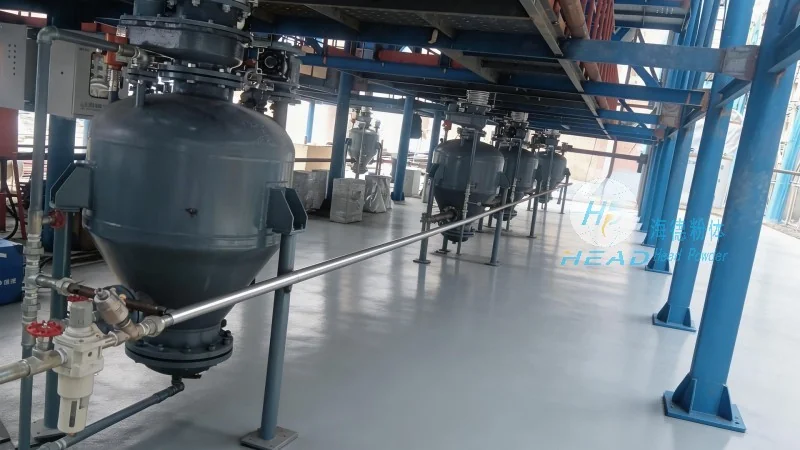
- High-Volume Production: Large coffee roasting and grinding facilities require high-capacity conveying systems to handle thousands of kilograms of coffee powder per hour. These systems often integrate with batching and packaging equipment.
- Multi-Stage Processing: Coffee powder may undergo multiple processing stages, such as grinding, roasting, and blending. Conveying systems must be adaptable to move material between these stages without interruption.
- Hygienic and Sanitary Standards: Coffee processing environments must meet strict hygiene standards to prevent contamination. Conveying equipment is typically made of stainless steel and designed for easy cleaning and maintenance.
HeadPowder Engineering's Expertise in Coffee Powder Conveying
Shandong HeadPowder Engineering Co., Ltd., a leading provider of material handling solutions, specializes in designing and manufacturing coffee powder conveying systems tailored to the industry's specific needs. With years of experience in the coffee processing sector, HeadPowder offers customized solutions that address the unique challenges of coffee powder handling.
Our conveying systems are engineered to ensure minimal product degradation, efficient flow, and compliance with industry hygiene standards. We utilize advanced materials and design principles to handle the abrasive and hygroscopic nature of coffee powder effectively. For example, our vacuum conveying systems use low-pressure suction to move coffee powder gently from storage silos to processing lines, reducing the risk of clumping and maintaining product integrity.
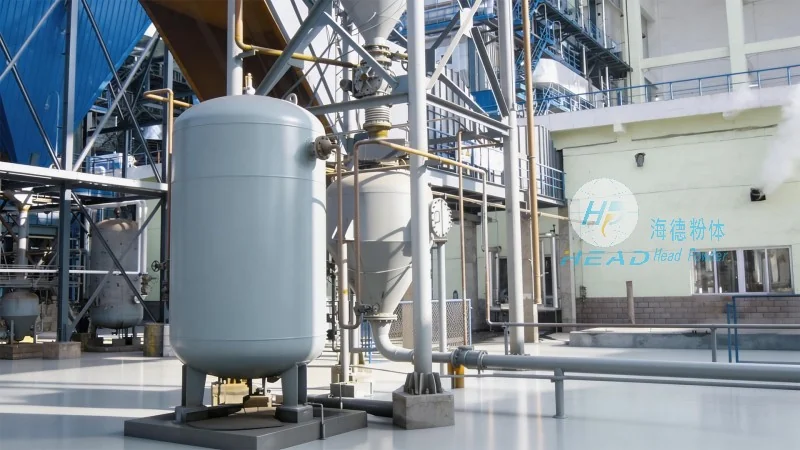
HeadPowder's expertise extends to integrating conveying systems with other coffee processing equipment, such as roasters, grinders, and packaging machines. This integration ensures seamless material flow from raw coffee beans to finished coffee powder products. Our team of engineers works closely with clients to understand their production requirements and develop solutions that optimize efficiency and reduce operational costs.