

Principle and Working Scene Characteristics of Calcined Gypsum Powder Conveying Machine
For industries dealing with calcined gypsum, the efficient and reliable transport of this fine powder is crucial to maintaining production efficiency and product quality. As a leading manufacturer in the field, Shandong HeadPowder Engineering Co., Ltd., commonly known as headpowder, specializes in providing advanced conveying solutions tailored to the unique challenges of handling calcined gypsum. This article explores the fundamental principles behind calcined gypsum powder conveying machines and highlights the key characteristics of their application in various industrial settings.
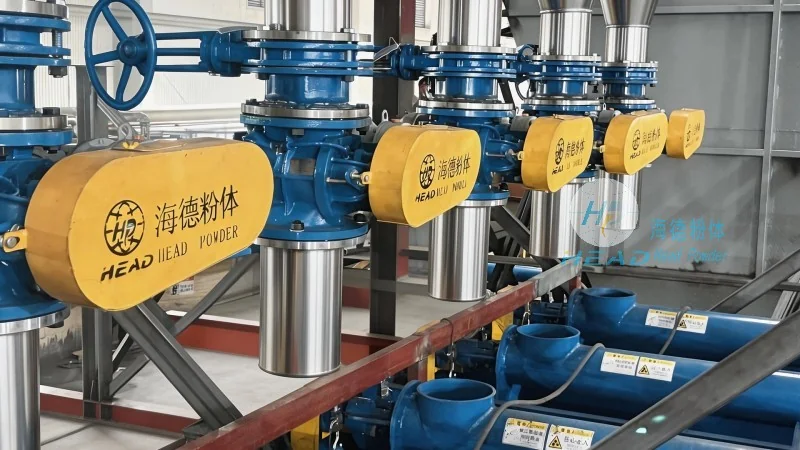
Introduction to Calcined Gypsum and Its Handling Requirements
Calcined gypsum, also known as plaster of Paris, is a widely used building material derived from the heating of gypsum to remove water. Its fine, powdery nature and certain physical properties, such as moderate moisture content and potential stickiness, make traditional conveying methods less effective. To address these challenges, specialized conveying equipment is essential. The calcined gypsum powder conveying machine is designed to handle these materials with precision, ensuring minimal loss, contamination, and operational downtime.
Principle of Operation for Calcined Gypsum Powder Conveying Machines
The core principle of calcined gypsum powder conveying machines revolves around the efficient movement of fine particulate materials through a controlled environment. These machines typically employ either mechanical or pneumatic systems, depending on the specific requirements of the application. Mechanical systems, such as screw conveyors or belt conveyors, utilize rotating components to push or pull the gypsum powder along a designated path. Pneumatic systems, on the other hand, use compressed air to create a flow of air and powder, often through a pipeline network. Both systems are engineered to maintain the integrity of the gypsum powder, preventing agglomeration and ensuring consistent flow rates.
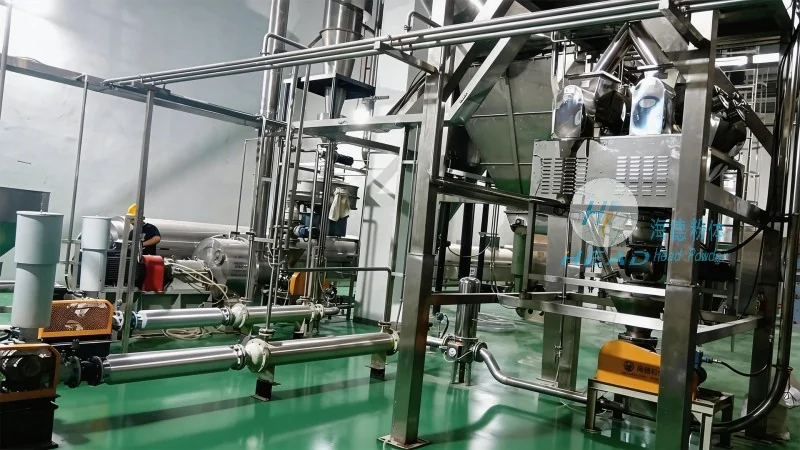
Key Working Scene Characteristics
The working scene characteristics of calcined gypsum powder conveying machines are defined by their adaptability to diverse industrial environments. In the building materials industry, for instance, these machines are commonly used in the production of gypsum boards, where they transport raw gypsum powder from storage to processing lines. The equipment must handle varying particle sizes and moisture levels while maintaining high throughput rates to meet production demands. In the chemical processing sector, calcined gypsum is sometimes used as a filler or additive, and the conveying system must ensure that the powder is delivered to reactors or mixing tanks without clogging or degradation.
In the agricultural and environmental sectors, calcined gypsum is applied as a soil amendment or for pH adjustment. The conveying machines used in these applications must be robust and capable of handling outdoor conditions, including exposure to moisture and dust. They are often designed with weather-resistant components and easy-to-clean surfaces to maintain hygiene standards. Additionally, the machines must be energy-efficient to reduce operational costs, which is a critical factor for industries operating on tight budgets.
Advantages and Considerations in Industrial Applications
When selecting a calcined gypsum powder conveying machine, several factors must be considered to ensure optimal performance. The choice between mechanical and pneumatic systems depends on the specific characteristics of the gypsum powder, such as its density, moisture content, and tendency to stick to surfaces. Mechanical systems are generally more cost-effective for short-distance transport and lower throughput, while pneumatic systems excel in long-distance or high-volume applications. Another key consideration is the need for dust control, as gypsum powder can be a respiratory irritant. Most modern conveying machines are equipped with dust collection systems or sealed enclosures to minimize airborne particles and comply with occupational health and safety regulations.
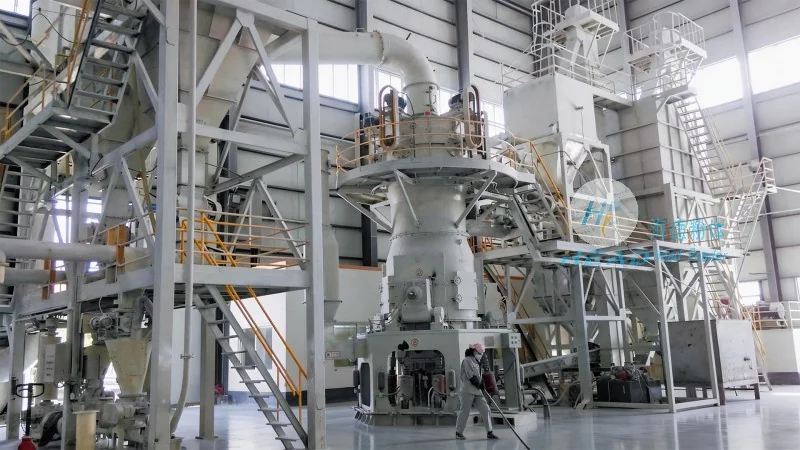
Furthermore, the design of the conveying machine must account for the potential for material buildup or clogging, especially in areas where the gypsum powder may have a tendency to agglomerate. This is often addressed through the use of agitators, vibration mechanisms, or specialized screw designs that break up clumps as they move through the system. The overall efficiency of the conveying process is also influenced by the speed and torque of the driving components, which must be precisely matched to the properties of the gypsum powder to avoid excessive wear or energy consumption.
Conclusion
Calcined gypsum powder conveying machines are essential equipment for industries that rely on the efficient handling of this versatile material. By understanding the fundamental principles of operation and the specific characteristics of their working environments, manufacturers can select and implement the most suitable conveying solutions. Shandong HeadPowder Engineering Co., Ltd. continues to innovate in this field, providing high-quality, reliable equipment that meets the diverse needs of its clients, whether in construction, chemical processing, or other sectors. The continued development of advanced conveying technologies ensures that calcined gypsum can be handled safely and efficiently, supporting the growth and sustainability of various industrial applications.