

Principle and Working Scene Characteristics of Lithium Iron Phosphate Powder Conveying Equipment
When it comes to the efficient handling of lithium iron phosphate (LiFePO₄) powder in industrial settings, specialized conveying equipment plays a crucial role. This article delves into the principles behind lithium iron phosphate powder conveying machines and highlights the key characteristics of their operational environments. By understanding these aspects, industries can optimize their material handling processes, ensuring safety, efficiency, and reliability in the production of lithium iron phosphate-based products.
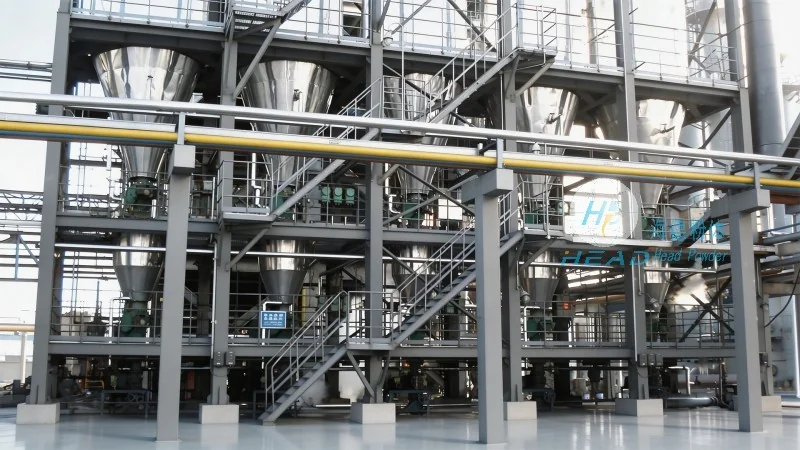
Introduction to Lithium Iron Phosphate Powder Conveying Machines
Lithium iron phosphate is a critical component in the production of lithium-ion batteries, known for its stability, safety, and long cycle life. The handling of LiFePO₄ powder requires specialized equipment to manage its fine particle size, hygroscopic nature, and potential dust hazards. Conveying machines designed for this material are engineered to provide precise control over the flow, minimize material degradation, and ensure compliance with safety standards. The core of these machines lies in their ability to transport the powder from storage to processing units without compromising quality or safety.
The Working Principle of Powder Conveying Systems
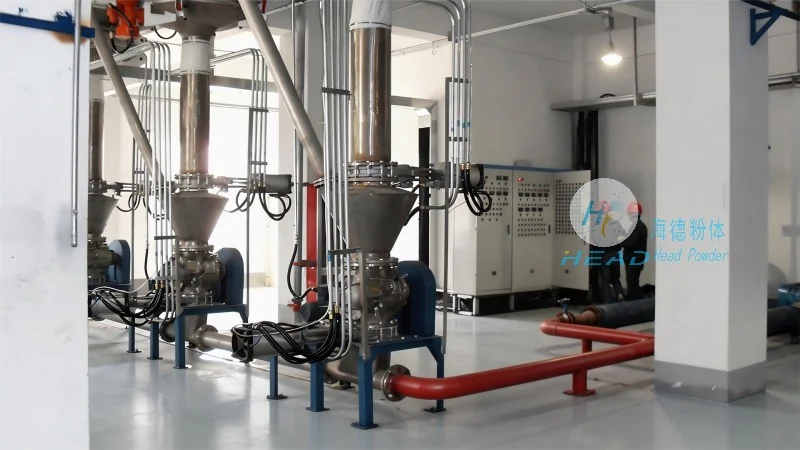
The operation of lithium iron phosphate powder conveying machines typically involves several key components and mechanisms. A common approach is the use of pneumatic conveying systems, which utilize air pressure to move the powder through pipelines. These systems often incorporate positive displacement blowers or rotary air locks to create the necessary pressure differential. The process begins with the powder being fed into a hopper, where it is then drawn into the conveying line by the air flow. As the powder travels through the pipeline, it is suspended in the air stream, allowing for smooth and continuous transport. The design of the conveying line, including the use of bends, filters, and silencers, is crucial to maintain the integrity of the powder and minimize pressure losses.
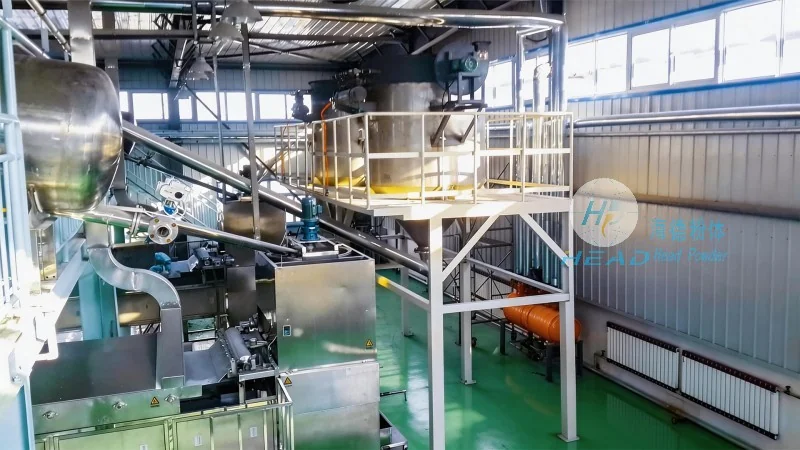
Key Working Scene Characteristics
The operational environment of lithium iron phosphate powder conveying machines is characterized by several factors that influence their design and performance. Firstly, the material's fine particle size and hygroscopic properties require equipment that can handle dust and moisture effectively. This often involves the use of sealed systems and moisture-resistant components to prevent material caking or degradation. Secondly, the need for safety in industrial settings dictates that the conveying systems are equipped with explosion-proof features, as lithium iron phosphate dust can be a fire hazard under certain conditions. Additionally, the scale of operations, whether in small-scale laboratory settings or large-scale production lines, influences the choice of conveying technology—ranging from low-capacity pneumatic systems to high-capacity bulk handling solutions.
Application Scenarios and Industry Use Cases
Lithium iron phosphate powder conveying machines are widely used in various industrial applications, particularly in the battery manufacturing sector. In battery production plants, these machines are integral to the supply chain, transporting LiFePO₄ powder from raw material storage to mixing and coating lines. The precision and reliability of the conveying equipment directly impact the quality of the final battery products, as any contamination or material loss can affect performance and safety. Furthermore, in research and development laboratories, specialized conveying systems are used for small-scale testing and material characterization, allowing scientists to study the properties of LiFePO₄ under controlled conditions. The versatility of these machines also makes them suitable for other industries that utilize fine powders, such as pharmaceuticals and specialty chemicals, where consistent material handling is essential.
Company Overview: Shandong HeadPowder Engineering Co., Ltd.
Shandong HeadPowder Engineering Co., Ltd., commonly known as HeadPowder, is a leading manufacturer of specialized powder handling equipment. With a focus on innovation and quality, the company has developed advanced solutions for the transportation and processing of various powders, including lithium iron phosphate. HeadPowder's expertise lies in designing equipment that meets the unique challenges of handling fine, hygroscopic materials, ensuring that clients can achieve efficient and safe material flow in their production processes. The company's products are engineered to comply with international safety and environmental standards, providing long-term reliability and performance for industrial applications.
Conclusion and Practical Implications
In conclusion, lithium iron phosphate powder conveying machines are essential tools for industries relying on this critical battery material. Understanding their working principles and operational characteristics is vital for optimizing material handling processes and ensuring product quality. By leveraging advanced conveying technologies and adhering to safety standards, manufacturers can enhance efficiency, reduce costs, and maintain compliance in their production operations. As the demand for lithium iron phosphate-based batteries continues to grow, the role of specialized conveying equipment will remain increasingly important in meeting the needs of modern industrial applications.