

Principle and Working Scene Characteristics of Graphite Electrode Powder Conveying Line
Graphite electrode powder conveying lines are critical components in the manufacturing processes of high-purity graphite electrodes, which are essential materials in the steelmaking industry. The design and operation of these conveying systems directly impact the efficiency, safety, and quality of the final electrode products. Understanding the underlying principles and typical working scenarios of such lines is crucial for optimizing production in industrial settings. These systems are typically integrated into larger production lines, where the conveying of raw materials is a critical step before the powder is mixed with binders and pressed into electrode shapes. The efficiency of the conveying line directly influences the throughput of the entire manufacturing process, making it a key area for process optimization.
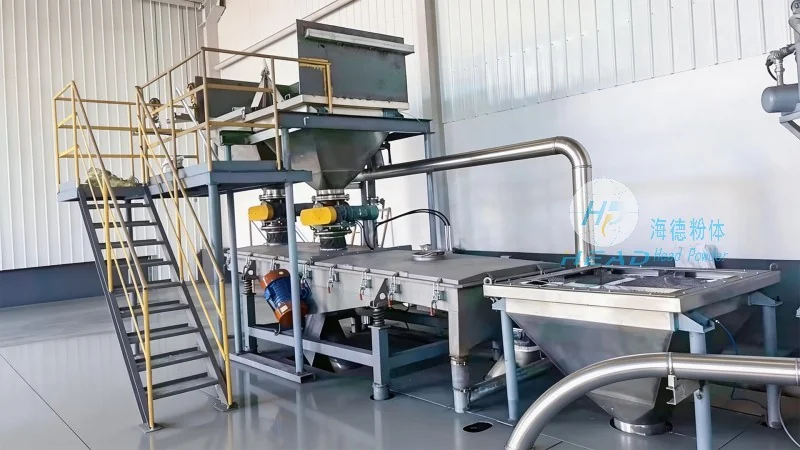
Overview of Graphite Electrode Powder Conveying Lines
Graphite electrode powder conveying lines are engineered systems designed to transport fine graphite powder from storage or processing units to the electrode manufacturing machinery. These systems typically consist of several key components, including hoppers, feeders, conveyor belts or pneumatic transport systems, and control mechanisms. The primary goal is to ensure a consistent and controlled flow of powder, minimizing material loss and contamination while maintaining the integrity of the powder's properties. Shandong HeadPowder Engineering Co., Ltd. specializes in the design and manufacturing of these systems, ensuring they meet the stringent requirements of industrial applications.
The Working Principle of Powder Conveying Systems
The operation of a graphite electrode powder conveying line is based on mechanical or pneumatic principles, depending on the system design. Mechanical systems often use screw conveyors, belt conveyors, or vibratory feeders to move the powder. Pneumatic systems, on the other hand, utilize air pressure to transport the powder through pipelines. In both cases, the system must maintain a stable flow rate, which is crucial for the subsequent mixing and pressing stages in electrode production. The control systems in these lines monitor parameters such as flow rate, pressure, and temperature to ensure optimal performance and prevent issues like clogging or material degradation. For example, in a screw conveyor system, the rotation speed of the screw determines the flow rate, and adjustments can be made in real-time to maintain consistency.
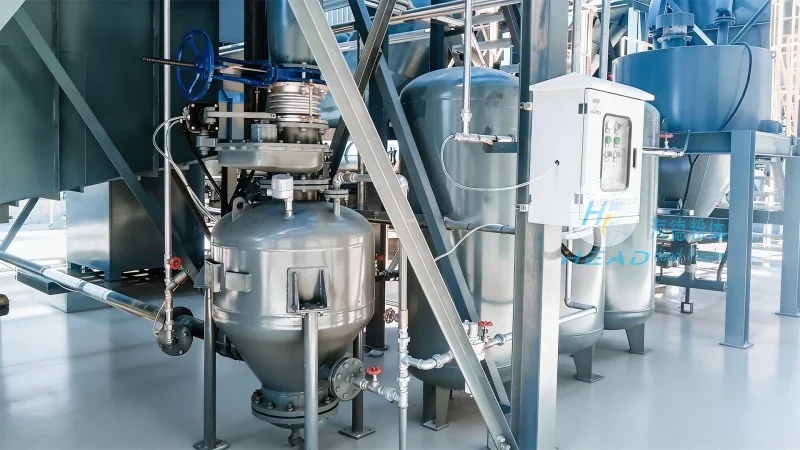
Key Components and Their Functions
Several critical components work together to ensure the smooth operation of a graphite electrode powder conveying line. Hoppers are used to store the graphite powder, providing a consistent feed to the conveyor system. Feeders, such as rotary or vibratory feeders, regulate the flow of powder from the hopper to the conveyor. Conveyor belts or pneumatic pipelines transport the powder to the processing equipment. Control panels and sensors monitor the system's performance, allowing for real-time adjustments to maintain efficiency and safety. Each component plays a vital role in maintaining the quality and consistency of the graphite powder throughout the conveying process. For instance, the hopper design must prevent material bridging or segregation, which can lead to uneven flow and affect the final product quality.
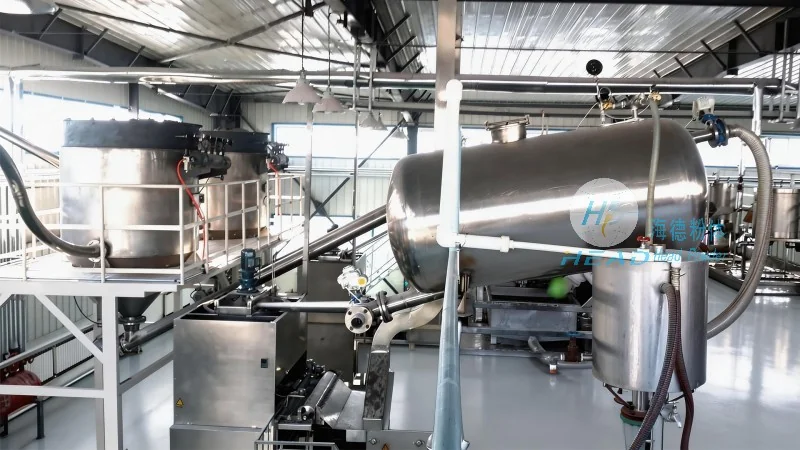
Working Scene Characteristics: Industrial Applications
Graphite electrode powder conveying lines are commonly used in large-scale industrial plants, particularly those involved in the production of high-quality graphite electrodes for steelmaking. The working scenes typically involve high-volume production environments where efficiency and reliability are paramount. These systems are often integrated into automated production lines, where the conveying of raw materials is a critical step before the powder is mixed with binders and pressed into electrode shapes. The characteristics of these working scenes include high throughput, continuous operation, and the need for minimal downtime due to maintenance or material supply issues. Additionally, the environment must be controlled to prevent dust contamination, which can affect the quality of the final electrodes. Shandong HeadPowder Engineering Co., Ltd. has extensive experience in designing conveying lines for such industrial applications, ensuring they meet the specific demands of each client's production process.
Operational Efficiency and Safety Considerations
Efficiency and safety are two key aspects of operating graphite electrode powder conveying lines. Efficient systems minimize material waste and reduce production time, contributing to higher overall productivity. Safety considerations include the prevention of dust explosions, which can be a significant hazard in powder handling environments. Proper ventilation, explosion-proof equipment, and regular maintenance are essential to mitigate these risks. Additionally, the system must be designed to handle the specific properties of graphite powder, such as its fine particle size and potential for static buildup, which can affect flow and cause operational issues. By addressing these factors, manufacturers can ensure that their conveying lines operate safely and efficiently, meeting the demands of modern industrial production. The control systems in these lines often include advanced features like automatic shutdown in case of overpressure or material blockage, further enhancing safety.