

Principles and Working Scene Characteristics of Wheat Pneumatic Conveying System Equipment
Wheat pneumatic conveying systems represent a critical component in modern grain handling and processing infrastructure. These systems leverage air as the primary transport medium to move bulk wheat and similar granular materials between storage, processing, and distribution points. The technology offers a flexible, efficient, and relatively low-maintenance solution compared to traditional mechanical conveying methods, making it widely adopted in agricultural and food processing sectors.
Core Principles of Wheat Pneumatic Conveying Systems
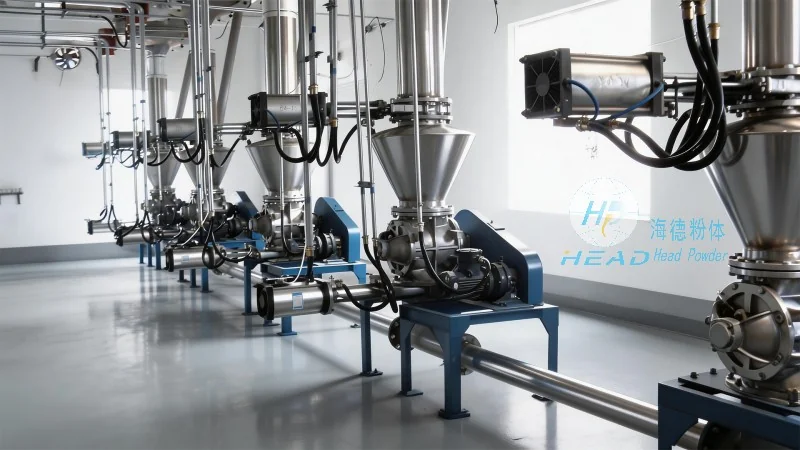
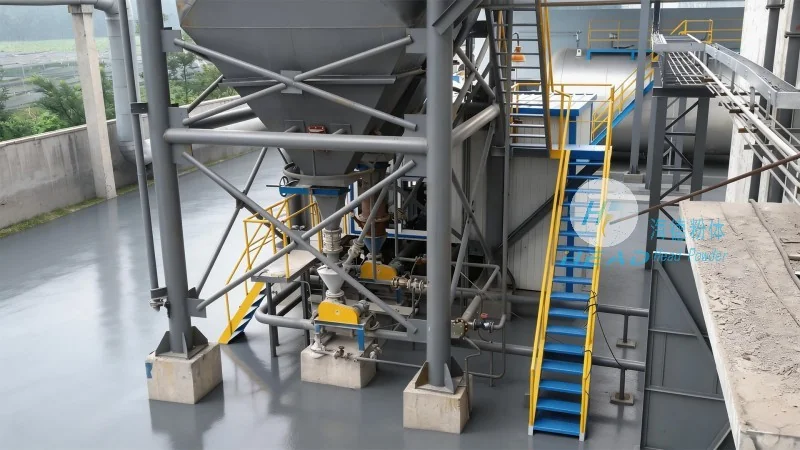
The fundamental operational principle of wheat pneumatic conveying systems revolves around creating a pressure differential using air flow. The system typically comprises several key components: a hopper for material storage, a fan or blower to generate airflow, a conveying pipeline network, a dust collection unit, and a discharge mechanism. When wheat is introduced into the hopper, the fan initiates operation, producing a high-velocity air stream. This airflow creates a negative pressure within the pipeline, which draws the wheat particles into the system. The wheat is then carried through the pipeline by the air current, reaching the discharge point where it is deposited. The process is governed by the differential pressure between the intake and discharge zones, with air velocity, material density, and pipeline length being carefully optimized to ensure consistent and reliable material transport. The efficiency of the system is further enhanced by features such as air filtration and moisture control, which maintain material quality and system performance.
Working Scene Characteristics and Application Environments
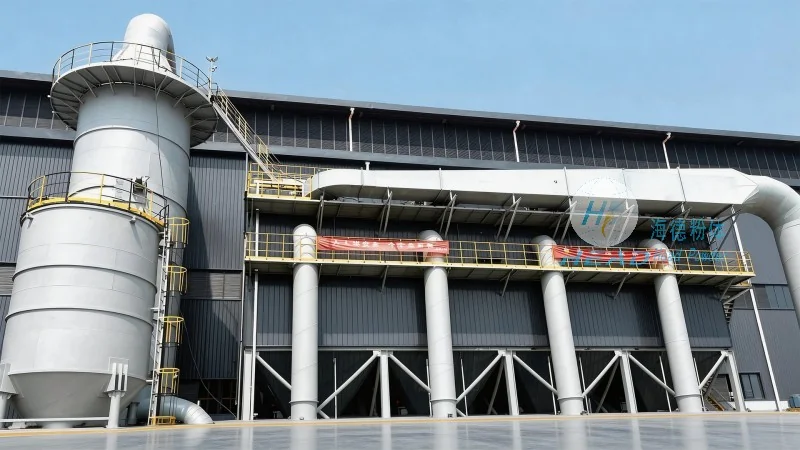
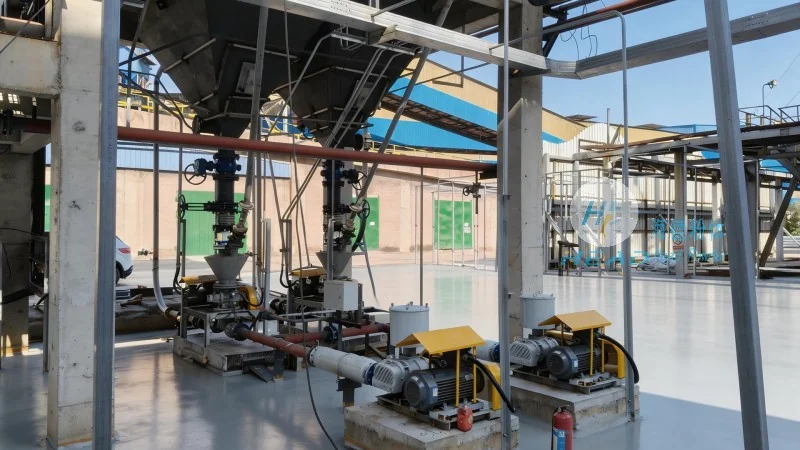
Wheat pneumatic conveying systems are deployed across diverse operational environments, each presenting unique challenges and requirements that influence system design and configuration. In agricultural settings, these systems are commonly integrated into grain storage facilities and farms, where they facilitate the transfer of wheat from storage silos to processing plants or transport vehicles. The systems are engineered to handle large volumes of wheat, often operating continuously to support high production throughput. In industrial processing facilities like flour mills and food processing plants, the equipment is incorporated into production lines to move wheat to grinding, cleaning, or packaging stages. The working scenes may range from indoor warehouse operations to outdoor loading areas, necessitating systems that can adapt to varying environmental conditions. For instance, outdoor applications may include weather-resistant components to protect against moisture and dust, while indoor systems focus on maintaining a clean and controlled environment. The versatility of wheat pneumatic conveying systems allows for customization based on specific operational needs, ensuring seamless integration into existing workflows and maximizing operational efficiency.
Company Overview and Technical Expertise
HeadPowder, a prominent manufacturer of grain handling equipment, specializes in the design, manufacturing, and installation of wheat pneumatic conveying systems. The company is headquartered in Shandong, China, and draws upon decades of industry experience to deliver high-quality, reliable solutions tailored to the needs of agricultural and industrial clients. HeadPowder's commitment to innovation and customer satisfaction is evident in its state-of-the-art manufacturing facilities and rigorous quality control processes. The company's team of engineers and technicians collaborates closely with clients to understand their specific operational challenges and provide customized solutions that enhance efficiency and reduce downtime. HeadPowder's products are recognized for their durability, energy efficiency, and ease of maintenance, establishing the brand as a trusted choice in the market. By combining advanced technological solutions with practical application knowledge, HeadPowder ensures that its wheat pneumatic conveying systems meet the highest standards of performance and reliability, supporting the long-term success of its clients' operations.