

Principles and Working Scene Characteristics of Pharmaceutical Pneumatic Conveying System Equipment
Pharmaceutical pneumatic conveying systems represent a critical technology in the pharmaceutical manufacturing industry, designed to transport powders and granules safely and efficiently. These systems are engineered to meet stringent regulatory requirements, ensuring product integrity and operational reliability. The core principle of pneumatic conveying involves using compressed air or other gases to move materials through a pipeline network, eliminating the need for mechanical components that might introduce contamination or wear. This approach is particularly valuable in environments where hygiene, precision, and product purity are paramount.
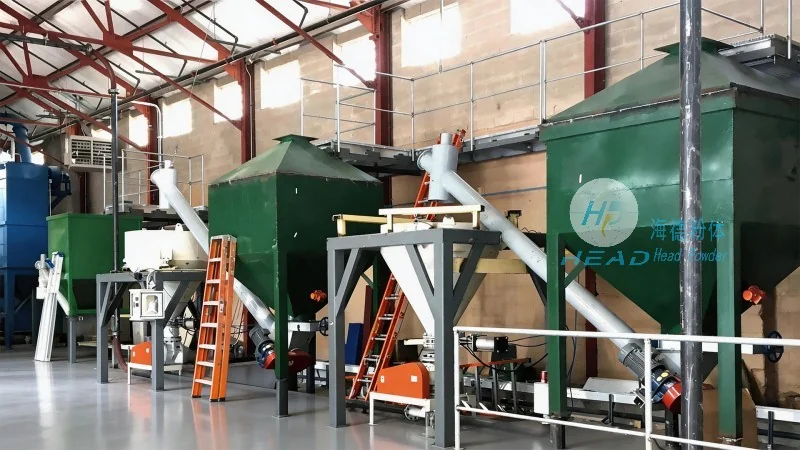
Core Principles of Pneumatic Conveying Technology
The fundamental principle of pneumatic conveying is the creation of a pressure differential that propels material particles through a sealed system. There are two primary types of pneumatic conveying: pressure and vacuum systems. In pressure systems, a positive pressure is maintained throughout the pipeline, pushing material from a central source to various destinations. Vacuum systems, conversely, use a negative pressure to draw material from multiple points into a central collection point. For pharmaceutical applications, pressure systems are often preferred due to their ability to maintain consistent flow rates and reduce the risk of product degradation from exposure to ambient air. The system typically includes components such as a hopper for material storage, a feeder to control flow rate, a conveying line, and a receiver for material discharge. Each component is designed to minimize particle attrition and prevent cross-contamination, which are critical considerations in pharmaceutical processing.
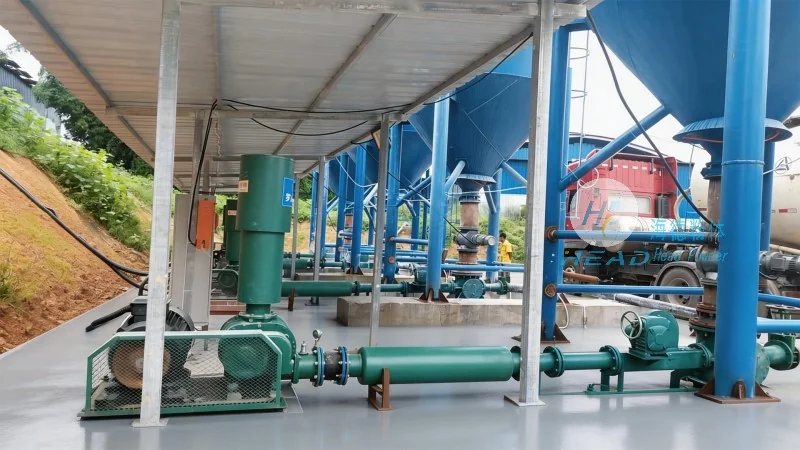
Working Scene Characteristics of Pharmaceutical Pneumatic Conveying Systems
The working scene characteristics of pharmaceutical pneumatic conveying systems are tailored to the specific needs of the pharmaceutical industry. These systems are commonly employed in scenarios where materials need to be transported over short to medium distances within a facility, such as between mixing, drying, and packaging units. The systems are designed to handle a wide range of materials, including active pharmaceutical ingredients (APIs), excipients, and finished dosage forms, each with varying particle sizes and flow properties. A key characteristic is the ability to maintain a closed system, which prevents dust emissions and ensures compliance with environmental regulations. This is achieved through sealed hoppers, dust collection systems, and air filtration units that capture any particles released during the conveying process. Additionally, the systems are often integrated with process control systems, allowing for real-time monitoring of flow rates, pressure, and temperature. This integration enhances operational efficiency and ensures that the conveying process aligns with production schedules and quality standards.
Applications and Operational Advantages
Pharmaceutical pneumatic conveying systems are widely used in various operational contexts within pharmaceutical manufacturing. They are particularly advantageous in applications where mechanical conveyors may pose contamination risks or are unsuitable due to the nature of the materials being handled. For instance, in the production of sterile products, pneumatic conveying systems can be integrated into cleanroom environments without compromising air quality. The systems also offer flexibility in material handling, as they can transport materials from multiple sources to multiple destinations, enabling complex production workflows. Operational advantages include reduced labor costs, as automated systems minimize manual handling of powders, and improved product quality, as the closed system prevents exposure to moisture, oxygen, or contaminants. Furthermore, the systems are designed for easy maintenance and cleaning, which is essential for adhering to Good Manufacturing Practices (GMP). Regular cleaning cycles and the use of CIP (Clean-in-Place) systems ensure that the equipment remains in compliance with regulatory standards, reducing downtime and maintaining consistent product quality.
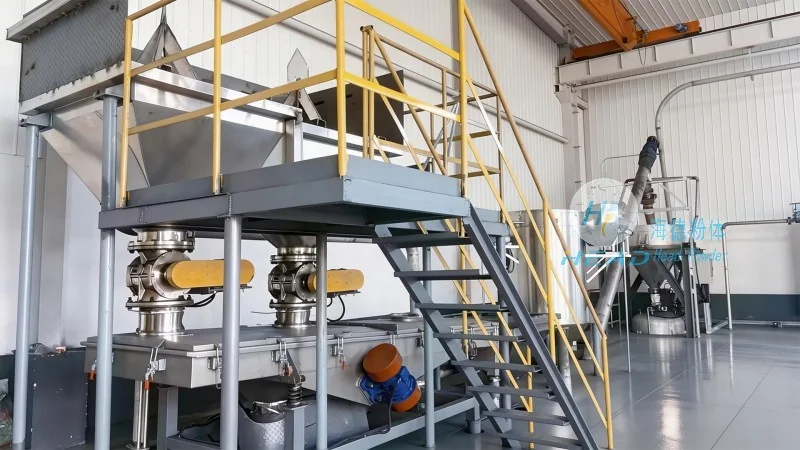
Company Profile: Shandong HeadPowder Engineering Co., Ltd.
Shandong HeadPowder Engineering Co., Ltd., operating under the brand name headpowder, is a leading provider of specialized engineering solutions for the pharmaceutical industry. With a focus on innovation and adherence to industry standards, the company designs and manufactures pneumatic conveying systems tailored to the unique requirements of pharmaceutical manufacturing. Headpowder's expertise lies in developing systems that ensure product safety, operational efficiency, and regulatory compliance. The company's facilities are located in Shandong, China, where it leverages advanced manufacturing capabilities and a team of experienced engineers to deliver high-quality solutions. By prioritizing customer needs and maintaining a commitment to quality, headpowder has established itself as a trusted partner in the pharmaceutical sector, providing reliable equipment that supports the production of safe and effective medications.