

Principles and Operational Scenarios of Carboxymethyl Cellulose Pneumatic Conveying Lines
Shandong HeadPowder Engineering Co., Ltd., commonly known as HeadPowder, specializes in the design, manufacturing, and installation of advanced material handling systems. With a focus on innovative solutions for industrial applications, the company has established itself as a leading provider of pneumatic conveying technologies, particularly for handling fine powders like carboxymethyl cellulose (CMC).
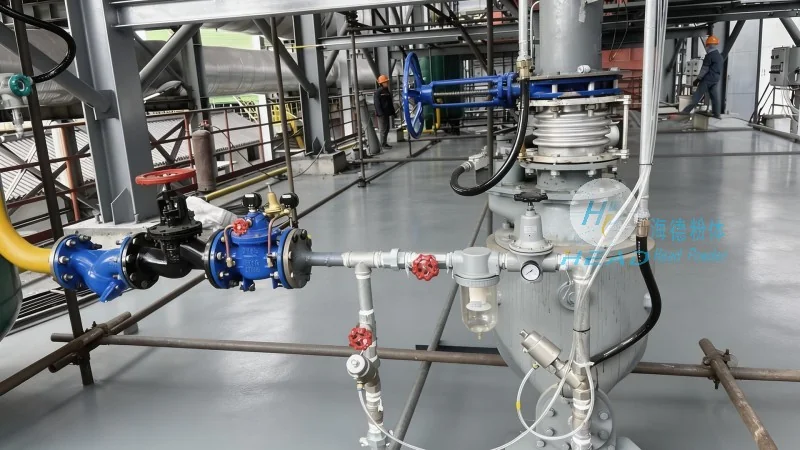
Carboxymethyl Cellulose Pneumatic Conveying Lines: An Overview
Carboxymethyl cellulose (CMC) is a widely used hydrocolloid in various industries, including food, pharmaceuticals, and construction. Handling CMC efficiently and safely requires specialized equipment, and the pneumatic conveying line is a preferred solution. These systems utilize air or gas to transport CMC particles through a pipeline network, offering advantages such as dust-free operation, minimal product degradation, and flexible layout options.
The Working Principle of Pneumatic Conveying Systems for CMC
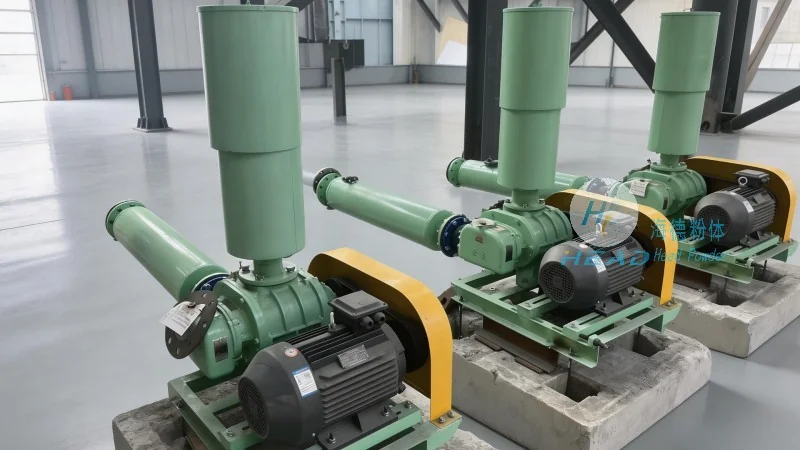
The core principle of a CMC pneumatic conveying line involves the use of air pressure to move material. In a typical system, a blower or compressor generates airflow, which is directed into the conveying line. The CMC powder is then introduced into the system, either through a hopper or a feeding device, and is entrained by the air stream. The mixture of air and powder travels through the pipeline, reaching the discharge point where the material is separated from the air. This process can be either positive pressure (where air pushes the material) or negative pressure (where air pulls the material), depending on the system design and operational requirements.
Key Operational Scenarios and Characteristics
Carboxymethyl cellulose pneumatic conveying lines are designed to operate in diverse industrial environments. Some of the key characteristics include:
1. Efficient Material Transport: The system ensures smooth and continuous movement of CMC, reducing downtime and improving production throughput. The ability to handle fine powders without clogging or agglomeration is a significant advantage.
2. Dust Control: Unlike traditional bulk handling methods, pneumatic conveying minimizes dust generation, enhancing workplace safety and compliance with environmental regulations.
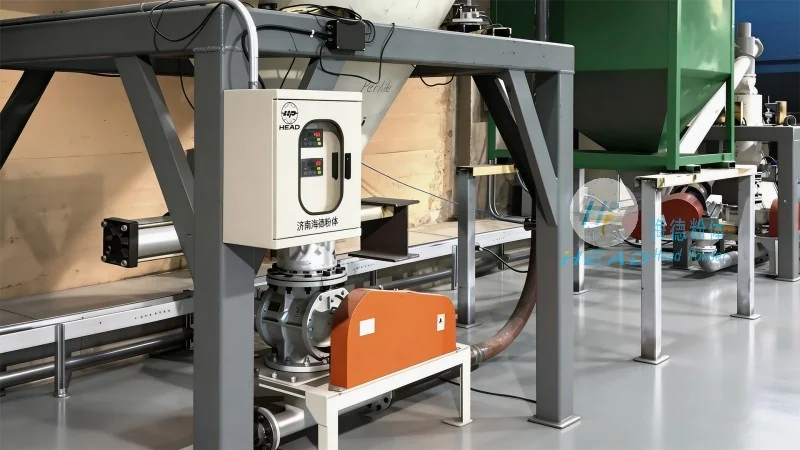
3. Space Flexibility: The modular design of these systems allows for easy integration into existing facilities or new plant layouts, adapting to varying production needs.
4. Low Maintenance: Advanced components and robust construction result in reduced maintenance requirements, lowering operational costs over the system's lifespan.
Common Applications and Industries
CMC pneumatic conveying lines are widely used in several sectors where precise handling of fine powders is critical. These include:
1. Food and Beverage Industry: CMC is used as a thickening agent and stabilizer in food products. The conveying system ensures hygienic and efficient transfer of CMC from storage to processing lines.
2. Pharmaceutical Sector: In pharmaceutical manufacturing, CMC is used in drug formulations. The system maintains strict contamination control, ensuring product purity and compliance with GMP (Good Manufacturing Practice) standards.
3. Construction Materials: CMC is utilized in concrete additives and other building materials. The pneumatic conveying line facilitates the seamless integration of CMC into production processes, improving material consistency.
HeadPowder's Expertise in CMC Pneumatic Conveying Solutions
Shandong HeadPowder Engineering Co., Ltd. leverages years of experience in material handling to deliver tailored CMC pneumatic conveying systems. The company's engineers work closely with clients to understand specific operational requirements, such as production capacity, material characteristics, and space constraints. This collaborative approach ensures that the final system is optimized for efficiency, reliability, and cost-effectiveness.
HeadPowder's commitment to quality is reflected in the use of high-grade materials and rigorous testing protocols. Each component, from the blower to the conveying pipeline, is manufactured to meet international standards, ensuring long-term performance and minimal downtime. The company also provides comprehensive after-sales support, including maintenance services and technical assistance, to help clients maximize the system's operational life.
Conclusion: The Advantages of CMC Pneumatic Conveying Lines
Carboxymethyl cellulose pneumatic conveying lines represent a sophisticated solution for the efficient and safe handling of fine powders. By leveraging the principles of pneumatic transport, these systems offer significant benefits over traditional methods, including improved productivity, enhanced safety, and reduced environmental impact. For industries relying on CMC as a key ingredient, investing in a well-designed pneumatic conveying system is a strategic decision that can yield long-term operational advantages.