

Working Principle and Features of Automatic Quantitative Powder Ingredient Pneumatic Conveying Syste
For industrial applications requiring precise and efficient handling of powder ingredients, the automatic quantitative powder pneumatic conveying system represents a sophisticated solution. This system is designed to ensure accurate measurement and transport of various powder materials, such as chemicals, food additives, and pharmaceuticals, with minimal human intervention. The following content will explore the working principle and key features of this advanced system, highlighting its practical applications and benefits in modern manufacturing processes.
Company Introduction: Shandong HeadPowder Engineering Co., Ltd.
HeadPowder, a leading manufacturer in the field of powder handling technology, specializes in developing and supplying high-quality pneumatic conveying systems. With a strong commitment to innovation and customer satisfaction, the company has established itself as a trusted partner for industries seeking reliable solutions for powder processing. HeadPowder's systems are engineered to meet diverse operational requirements, ensuring optimal performance and durability in demanding environments. The company's headquarters is located in Shandong, China, where it maintains state-of-the-art research and development facilities to continuously improve its product offerings.
Understanding the Working Principle of the System
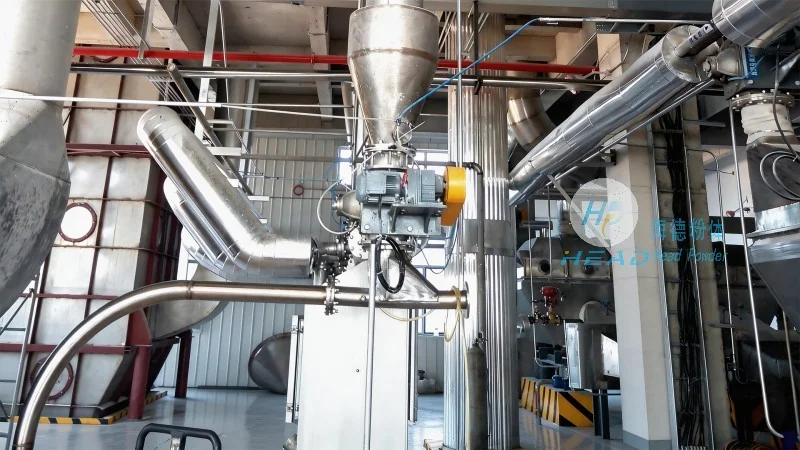
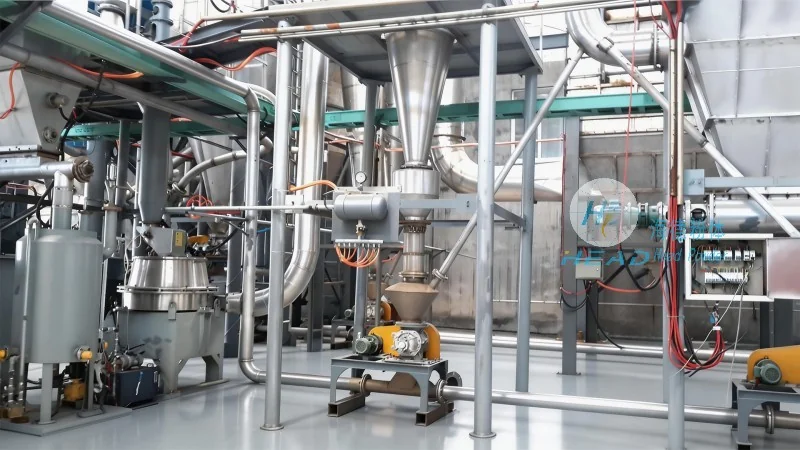
The automatic quantitative powder pneumatic conveying system operates on the principle of pneumatic transport, where powder materials are conveyed through a network of pipes using compressed air or other gas streams. The system typically consists of several key components, including a dosing unit, a conveying line, a control panel, and a receiving hopper. The dosing unit is responsible for measuring and dispensing the required amount of powder ingredient with high precision. This unit may utilize various technologies, such as gravimetric or volumetric measurement, to ensure accurate dosing. The conveying line, often equipped with special valves and filters, transports the powder from the source to the destination. The control panel allows operators to monitor and adjust the system parameters, ensuring consistent performance. The receiving hopper collects the conveyed powder and may include features like level sensors to indicate when the hopper is full.
Key Features and Advantages
The automatic quantitative powder pneumatic conveying system offers several distinct features that enhance its functionality and efficiency. One of the primary advantages is the ability to achieve precise ingredient dosing, which is critical in processes where exact proportions are required, such as in pharmaceutical manufacturing or food production. The system's automation reduces the risk of human error, ensuring consistent quality and reducing waste. Additionally, the pneumatic conveying method allows for the transport of powder materials over long distances without the need for mechanical components like belts or chains, minimizing maintenance requirements and operational costs. The system is also designed for flexibility, accommodating various powder types and particle sizes, making it suitable for a wide range of applications. Furthermore, the integration of advanced control systems enables real-time monitoring and adjustment, improving overall process control and reliability. The durability of the components, particularly those exposed to abrasive powder materials, is another notable feature, as HeadPowder uses high-quality materials and robust construction to ensure long-term performance. The system's energy efficiency is also a key consideration, with optimized air flow and pressure management reducing energy consumption compared to traditional conveying methods.
Applications in Industrial Settings
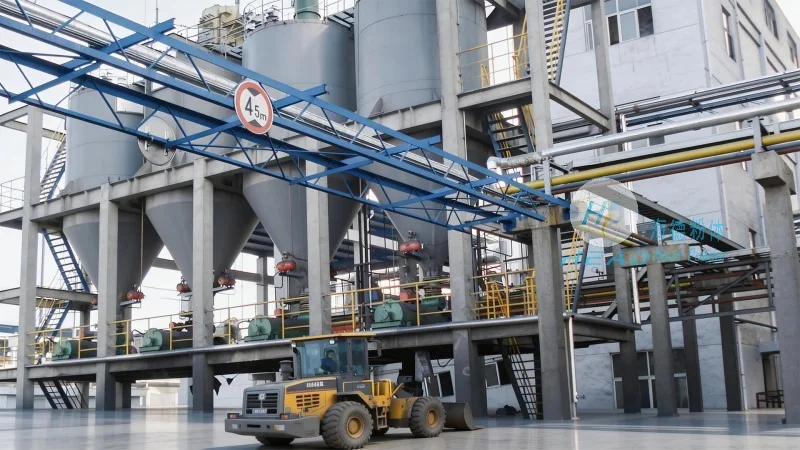
The automatic quantitative powder pneumatic conveying system finds extensive use in various industrial sectors. In the pharmaceutical industry, it is employed to transport active ingredients and excipients with high precision, ensuring compliance with stringent quality standards. The food and beverage industry utilizes this system for handling ingredients like spices, sugars, and flavorings, maintaining hygiene and preventing contamination. In the chemical industry, the system is used for transporting raw materials and intermediates, supporting processes such as mixing and blending. The system's ability to handle abrasive and corrosive powders makes it suitable for applications in mining and mineral processing, where durability and reliability are paramount. Additionally, in the agricultural sector, it can be used for conveying fertilizers and other agricultural chemicals, improving efficiency in large-scale farming operations. The versatility of the system allows it to adapt to different production scales, from small-scale laboratory applications to large industrial plants, making it a valuable asset for manufacturers seeking to optimize their powder handling processes.
Conclusion and Future Outlook
In conclusion, the automatic quantitative powder pneumatic conveying system is a highly effective solution for industries requiring precise and efficient powder ingredient handling. With its advanced working principle and comprehensive features, the system offers significant advantages in terms of accuracy, automation, and durability. HeadPowder's commitment to quality and innovation ensures that their systems meet the evolving needs of modern manufacturing. As industries continue to demand higher standards of efficiency and reliability, the role of such advanced pneumatic conveying systems will only grow, supporting the development of more sophisticated and productive processes. The system's adaptability and performance make it a reliable choice for manufacturers looking to enhance their operational capabilities and maintain competitive edge in their respective markets.