

Working Principle and Features of Material Conveying Systems in Dust Extraction Stations
Material conveying systems are essential components of dust extraction stations, designed to efficiently transport bulk materials while maintaining air quality and operational safety. Understanding their working principles and key features is vital for optimizing industrial processes and ensuring compliance with environmental regulations.
Working Principle of Material Conveying Systems in Dust Extraction Stations
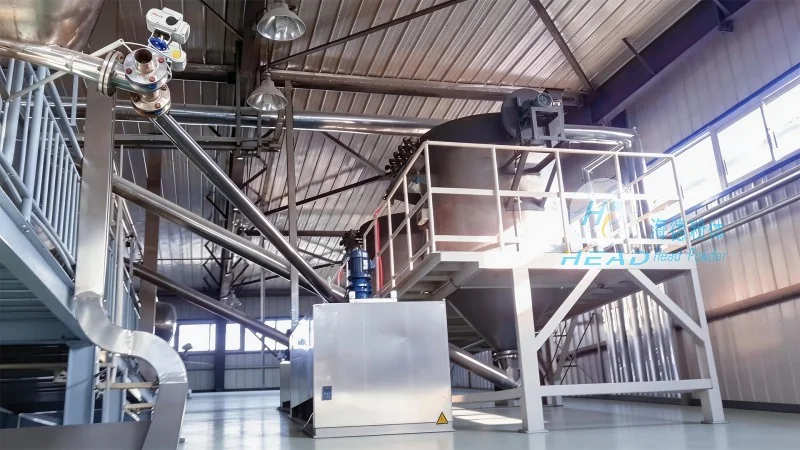
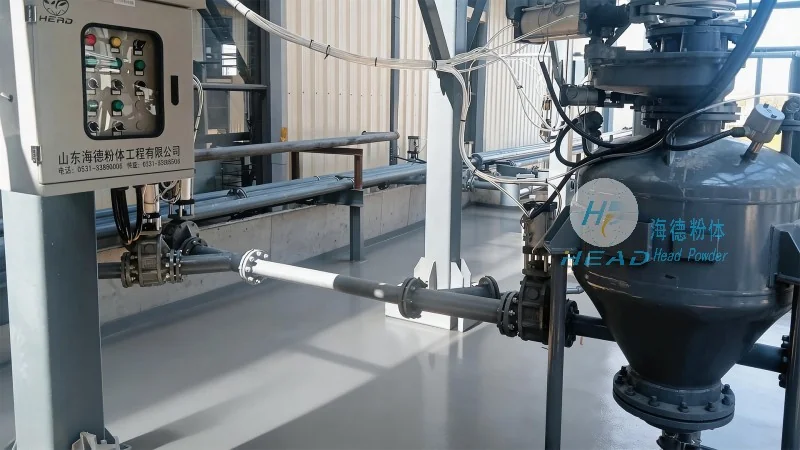
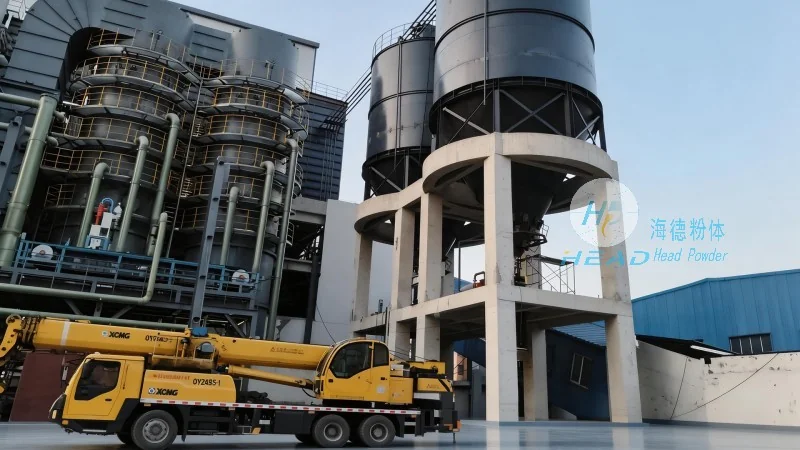
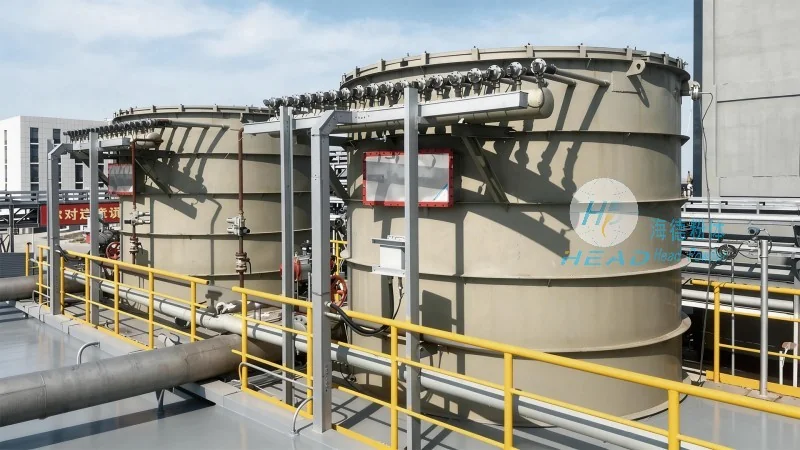
The core working principle of material conveying systems in dust extraction stations involves the integration of material transport and dust control mechanisms. These systems are engineered to move raw or processed materials from the point of origin to the processing or storage area while simultaneously capturing airborne particles to prevent contamination. The process typically begins with material feeding, where bulk materials are introduced into the system via a hopper or feeder. This material is then conveyed through a series of components, such as screws, belts, or pneumatic tubes, which apply mechanical force to move the material forward. The conveying mechanism is designed to minimize friction and material degradation, ensuring that the material remains intact and free from excessive dust generation. A critical component in this process is the dust extraction unit, which is integrated into the system to capture particulate matter released during the conveying operation. This unit may include filters, cyclones, or other separation technologies that remove dust from the air stream, ensuring that the exhaust air is clean and compliant with environmental standards. The entire system operates under controlled conditions, with sensors and controls monitoring parameters like pressure, flow rate, and dust concentration to maintain optimal performance. This integrated approach ensures that material is conveyed efficiently while maintaining a safe and clean environment, making these systems indispensable for industries such as mining, manufacturing, and food processing.
Key Features of Material Conveying Systems in Dust Extraction Stations
Effective material conveying systems in dust extraction stations exhibit several distinct features that enhance their performance and adaptability. One prominent feature is the use of enclosed or semi-enclosed conveying paths, which significantly reduce dust emissions by containing the material and air flow. This design minimizes the risk of particulate matter escaping into the workplace, thereby improving air quality and worker safety. Another key feature is the integration of advanced filtration mechanisms, such as high-efficiency particulate air (HEPA) filters or baghouse systems, directly into the conveying system. These filters capture fine particles as small as 0.3 microns, ensuring that the exhaust air meets stringent environmental regulations. Additionally, these systems often include adjustable speed controls, enabling operators to modulate the conveying rate based on material characteristics and processing demands. This flexibility allows for optimal performance across a wide range of applications, from low-density powders to heavy bulk materials. The materials used in the construction of the conveying components, such as stainless steel or corrosion-resistant alloys, ensure durability and resistance to wear and tear, extending the system's operational lifespan. Furthermore, modern systems may incorporate automation and monitoring capabilities, such as sensors that track flow rates, pressure differentials, and dust levels, facilitating real-time data analysis and predictive maintenance. This technology helps identify potential issues before they lead to system failures, enhancing overall operational reliability and reducing downtime.