

Working Principle and Features of White Gray Material Conveying
White gray material conveying systems are integral to industrial operations, particularly in the handling of powders and bulk materials. Understanding their working principles and key characteristics is essential for optimizing material transport efficiency and ensuring operational safety. This article provides a comprehensive overview of the mechanisms involved and the attributes that define effective white gray material conveying solutions.
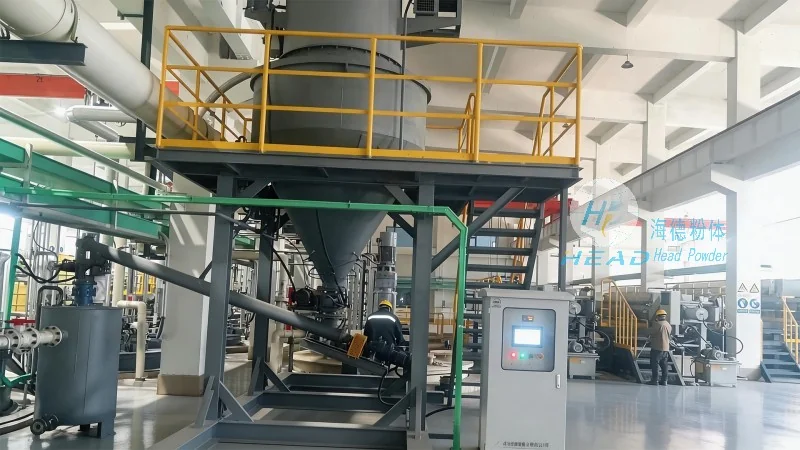
Working Principle of White Gray Material Conveying
The fundamental working principle of white gray material conveying systems centers on the movement of bulk materials from one location to another through mechanical components. These systems typically employ gravity, pressure, or mechanical force to achieve material transport. For white gray materials—such as limestone, gypsum, or similar powders—the conveying process may utilize screw conveyors, pneumatic conveyors, or belt conveyors, depending on the material's properties and application requirements.
In screw conveyors, a rotating screw or auger pushes material forward along a trough or tube. The rotation creates a pushing action that moves the material through the system. This method is especially effective for free-flowing, non-abrasive materials like white gray powders. The screw's design—including pitch and diameter—determines conveying capacity and material pressure.
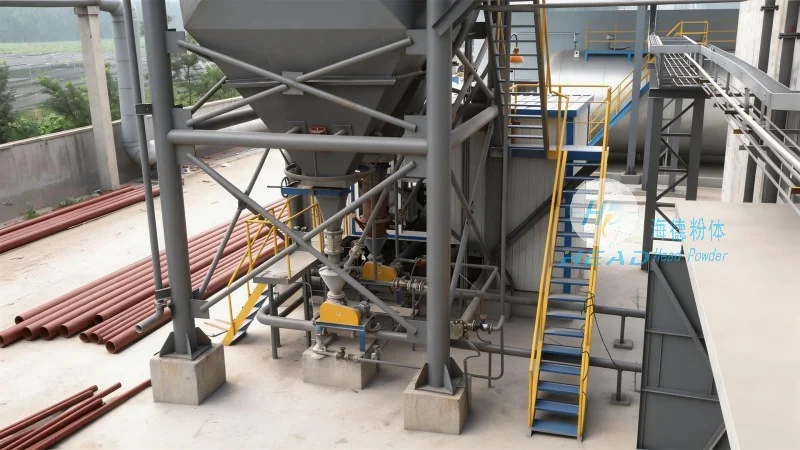
Pneumatic conveyors use air pressure to transport materials. Here, the material is suspended in an air stream and carried through a pipeline. This approach is advantageous for dusty or low-contact materials. Controlled air velocity and ductwork design are critical to prevent blockages and ensure efficient transport for white gray materials.
Key Features of White Gray Material Conveying Systems
Effective white gray material conveying systems exhibit several defining features that enhance performance and reliability. A primary feature is versatility in handling diverse material types and particle sizes. This adaptability accommodates varying production needs and material variations without major modifications, supporting both fine powders and coarser granules.
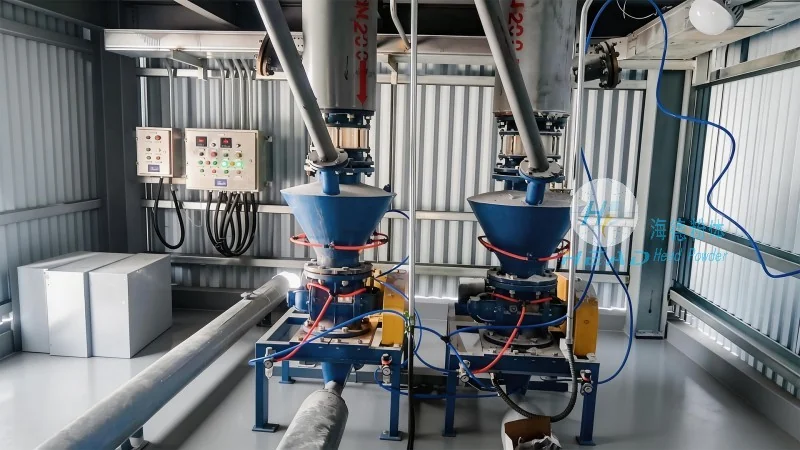
Another critical feature is energy efficiency and operational cost optimization. Modern systems minimize energy use while maximizing throughput through efficient motors and reduced friction. For large-volume white gray material transport, this directly impacts overall economic viability.
Operational safety is also a key feature. Systems include overload sensors, emergency stops, and flow indicators to prevent blockages and hazards. This is vital for dust-laden or health-risk materials, ensuring safe personnel protection.
Durability and maintenance are further considerations. Robust construction and accessible components withstand abrasive materials and mechanical stresses. Easy maintenance reduces downtime, preserving system efficiency over its lifespan.
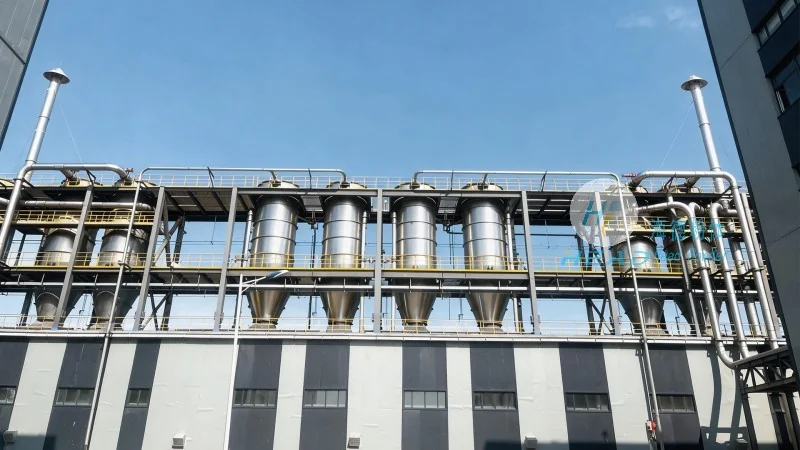
Application Examples and Industry Use Cases
White gray material conveying systems are widely used in construction, mining, and chemical industries. In construction, they transport limestone and gypsum for cement production, supporting high demand for building materials. In mining, they move ore and bulk materials from extraction to processing, boosting productivity. In chemical processing, these systems handle calcium carbonate and other powders, ensuring safe transport from storage to processing units and maintaining product quality.
Conclusion
In summary, white gray material conveying systems are vital for industrial material handling, offering efficient and reliable solutions. Their working principles—such as screw and pneumatic conveyance—and key features like versatility, energy efficiency, and safety make them suitable for diverse applications. Companies like Shandong HeadPowder Engineering Co., Ltd., based in China, specialize in designing and manufacturing these systems, providing tailored solutions to meet client needs. Understanding these systems enables industries to optimize material transport and enhance overall operational performance.