

Working Principle and Features of Gravity Dust Removal Powder Conveying Line
Gravity dust removal powder conveying lines are advanced industrial solutions designed to efficiently handle and transport fine particulate materials while simultaneously removing dust and particulate matter from the air. These systems are widely used in various industries, including chemical processing, pharmaceutical manufacturing, and food processing, where maintaining air quality and ensuring the safe handling of powders are critical operational requirements. The technology behind these systems combines principles of gravity-based separation with efficient material transport mechanisms, making them a reliable choice for applications that demand both dust control and effective powder handling.
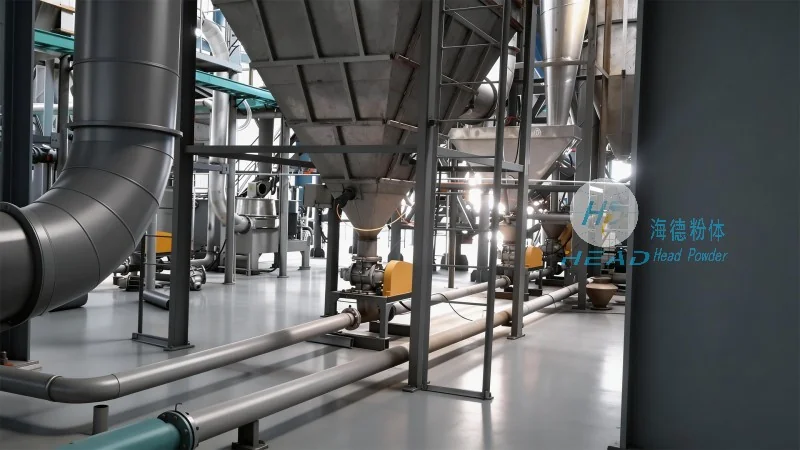
The Working Principle of Gravity Dust Removal Conveying Lines
The core functionality of a gravity dust removal powder conveying line is based on the natural tendency of particles to settle under the influence of gravity, combined with air flow management to facilitate material movement. The system typically consists of several key components, including a dust collection hopper, a conveying duct, and a material discharge outlet. As contaminated air or powder-laden air enters the system, it passes through a filtration or separation stage where larger particulates are removed. The remaining fine dust and powder particles then flow under gravity into a dedicated conveying channel. The design of the ductwork is optimized to maintain a consistent flow rate, ensuring that the material moves smoothly without clogging. This gravity-driven transport mechanism reduces the need for mechanical power, making the system energy-efficient and cost-effective compared to traditional pneumatic conveying systems that rely on compressed air.
Key Features and Advantages of Gravity Dust Removal Systems
Gravity dust removal powder conveying lines offer several distinct advantages that make them suitable for a wide range of industrial applications. One of the primary features is their energy efficiency, as the system utilizes gravity to move materials rather than requiring external power sources like blowers or pumps. This not only reduces operational costs but also minimizes the environmental impact of the equipment. Another notable feature is the high efficiency in dust removal, with the system capable of capturing and separating up to 99% of airborne particulates, ensuring compliance with stringent environmental regulations. The design also allows for the handling of a broad range of powder types, from fine powders to bulkier materials, without the risk of material degradation or agglomeration. Additionally, the system is relatively simple in structure, with fewer moving parts compared to complex mechanical conveying systems, which translates to lower maintenance requirements and longer service life. The compact design of these lines also makes them suitable for installation in spaces with limited room, a common challenge in many industrial facilities.
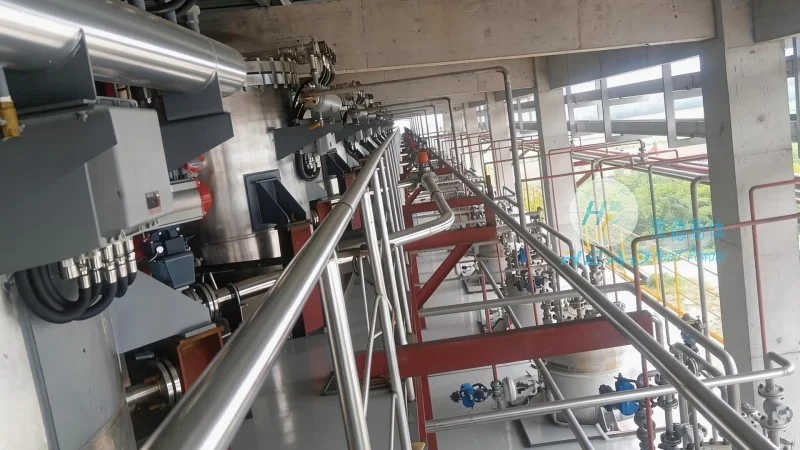
Applications and Industries Utilizing Gravity Dust Removal Conveying Lines
Gravity dust removal powder conveying lines are employed in numerous industries where the handling of powders and the control of airborne dust are paramount. In the chemical industry, these systems are used to transport raw materials and finished products while preventing dust emissions that could lead to environmental contamination or health hazards. The pharmaceutical sector benefits from the system's ability to maintain a sterile environment, as the dust removal process ensures that only clean, filtered air is used in the production of medications. Food processing industries also rely on gravity dust removal systems to handle powders such as flour, sugar, or spices, ensuring that the final products are free from contaminants and that the working environment remains safe for employees. Furthermore, in the cement and construction materials industry, these systems are used to transport bulk materials like cement and sand, with the dust removal feature helping to control dust pollution in industrial sites. The versatility of gravity dust removal conveying lines makes them adaptable to various production scales, from small-scale operations to large-scale manufacturing plants.
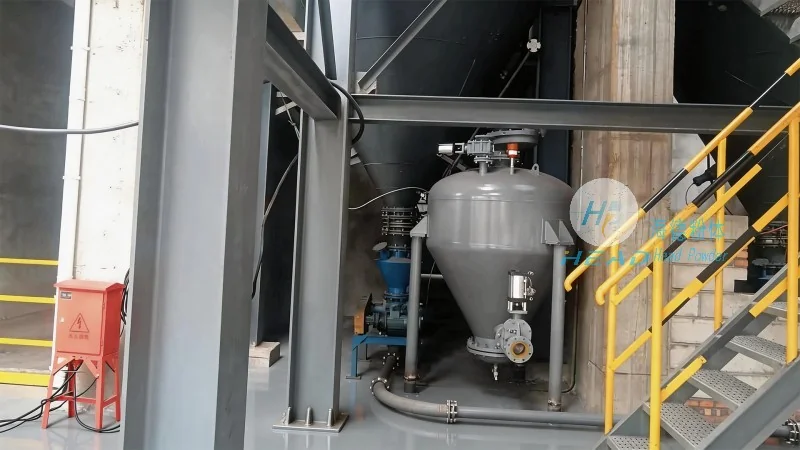
Technical Specifications and Customization Options
Shandong HeadPowder Engineering Co., Ltd. offers a range of gravity dust removal powder conveying lines tailored to meet the specific needs of different industries. The company, commonly known as headpowder, provides customized solutions that can be adjusted based on the type of powder being handled, the required conveying capacity, and the environmental regulations of the operating location. Technical specifications of the systems typically include conveying capacities ranging from 1 to 50 tons per hour, depending on the design and the size of the material particles. The dust removal efficiency is usually rated at 99% or higher, with the ability to handle particle sizes as small as 1 micron. The system's dimensions can be customized to fit existing infrastructure, with options for vertical or horizontal configurations to optimize space utilization. Additionally, the company offers accessories such as dust collection hoppers, filtration units, and material discharge valves to enhance the functionality of the conveying line. These customization options ensure that the system integrates seamlessly with existing production lines and meets the unique requirements of each client.
Installation and Maintenance Considerations
Proper installation and regular maintenance are crucial for the optimal performance and longevity of gravity dust removal powder conveying lines. The system should be installed in a location with adequate space for the ductwork and dust collection components, ensuring that the airflow is not obstructed. The ducts should be properly sealed to prevent dust leakage and maintain the efficiency of the dust removal process. Regular maintenance involves cleaning the dust collection hoppers and filters to prevent clogging, checking the integrity of the ductwork for any signs of wear or damage, and inspecting the material discharge outlets for any blockages. The company, Shandong HeadPowder Engineering Co., Ltd., provides detailed installation guidelines and maintenance schedules to help clients ensure the system operates at peak efficiency. By following these guidelines, users can extend the service life of the equipment and minimize downtime due to maintenance issues. The simplicity of the system's design also makes it easier to perform routine checks and repairs, reducing the overall maintenance costs.